
Table of Contents
ToggleEclectic maximalist interior design isn’t for the faint of heart, or for anyone who thinks “neutral palette” is the only way to decorate. This approach throws minimalism out the window and invites color, pattern, texture, and personality to take center stage. It’s about layering what you love without apology, mixing eras and styles, and creating a space that feels collected, not decorated. If you’ve ever walked into a room and felt like it had a story to tell, chances are you were standing in a maximalist space. This guide breaks down how to build your own bold, livable maximalist interior without turning your home into visual chaos.
Key Takeaways
- Eclectic maximalist interior design thrives on intentional curation of diverse styles, colors, and patterns rather than clutter—every piece should earn its place through visual connection or emotional resonance.
- Master balance through repetition, scale mixing, strategic negative space, and personal curation to prevent maximalist spaces from sliding into chaos.
- Layering textures like velvet, leather, rattan, and brass alongside varied colors and patterns creates depth and prevents flat, one-dimensional looks in maximalist rooms.
- Start your maximalist transformation by auditing existing pieces, choosing one anchor piece per room, and gradually adding layers—thrift stores and vintage shops offer authentic pieces without the staged look of all-new furniture.
- Incorporate statement lighting, layered rugs, gallery walls, books as decor, and plants to create visually rich spaces, while avoiding common mistakes like missing focal points, ignoring scale, or forgetting functionality.
What Is Eclectic Maximalist Interior Design?
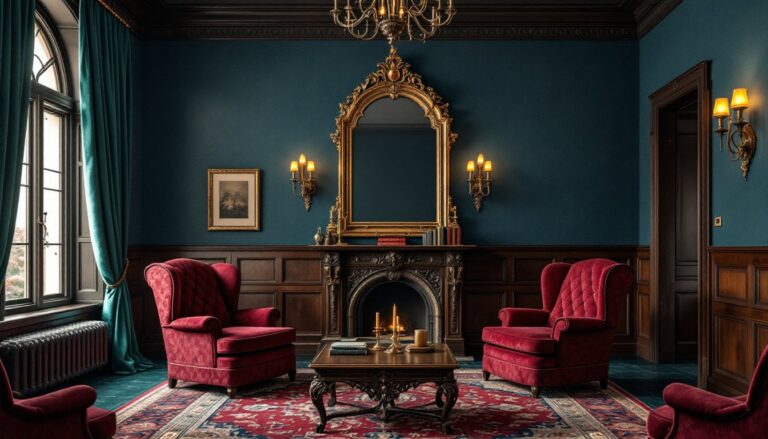
Eclectic maximalism is the intentional layering of diverse styles, colors, patterns, and objects into a cohesive, highly personal space. Unlike traditional maximalism, which might lean heavily into one era or aesthetic, eclectic maximalism pulls from multiple design vocabularies: mid-century modern furniture next to a Moroccan rug, Victorian wallpaper behind contemporary art, a brass floor lamp beside a distressed farmhouse table.
The key word is intentional. This isn’t hoarding or clutter. Every piece should earn its place through color relationship, scale, or emotional resonance. The style celebrates abundance, but it’s curated abundance. Think of it as a visual autobiography: your travels, your grandma’s china, your flea market scores, your splurges, all coexisting in one room.
Maximalism as a movement gained traction as a counterpoint to the stark minimalism that dominated the 2010s. Designers and homeowners started craving warmth, individuality, and bold decorative choices that minimalism often suppressed. Eclectic maximalism took it further by rejecting the idea that a room needs to “match.” It’s about harmony through contrast, not uniformity.
Core Principles of Eclectic Maximalism
Before you start hauling home every interesting object you see, understand the principles that keep maximalism from sliding into chaos.
Balance Through Repetition: Repeat colors, materials, or shapes across the room to create visual anchors. If you have a cobalt blue vase on one side, echo it with blue pillows or artwork elsewhere. This repetition tricks the eye into seeing order even when styles vary wildly.
Scale and Proportion: Mix large and small pieces deliberately. An oversized mirror balances a gallery wall of small frames. A chunky velvet sofa holds its own against busy wallpaper. Avoid filling a room with all medium-sized objects, it flattens the visual interest.
Negative Space (Yes, Really): Even maximalists need breathing room. Leave some wall space empty, or let one corner stay sparse so the eye has somewhere to rest. This doesn’t mean half the room sits bare, just that not every surface needs three layers of decor.
Personal Curation Over Trends: Don’t buy something just because it’s “maximalist.” Buy it because you love it, because it reminds you of a trip, or because the color makes you unreasonably happy. Authenticity is what separates eclectic maximalism from a showroom.
Color, Pattern, and Texture Mastery
This is where eclectic maximalism either sings or screams.
Color: Start with a dominant color family (jewel tones, earthy terracottas, saturated primaries) and layer in contrasts. A room with emerald green walls can handle blush pink velvet, mustard yellow throws, and deep plum accents if you distribute them evenly. Avoid using every color in equal amounts, pick one or two to dominate, then accent with the rest.
Pattern: Mix patterns by varying scale. Pair a large floral wallpaper with small geometric pillows and a medium-scale stripe on a chair. Keep at least one color consistent across patterns to tie them together. For example, if your rug, curtains, and throw pillows all contain a thread of burnt orange, your eye will connect them even if the patterns are wildly different.
Texture: This is non-negotiable. Velvet, leather, linen, rattan, brass, carved wood, ceramic, glass, layer them all. Texture adds depth and prevents a flat, one-dimensional look, especially when working with many colors. A room full of color but only smooth surfaces will feel more chaotic than one with varied textures, even if the latter has more going on visually. Incorporating animal print accents can add another textural and visual layer without overwhelming the space.
How to Start Your Eclectic Maximalist Transformation
If your home is currently beige-on-beige, don’t panic. You don’t need to repaint every wall or replace every stick of furniture overnight.
Step 1: Audit What You Already Own
Pull out anything you’ve been hiding because it “doesn’t match.” That quirky lamp, the colorful inherited rug, the framed poster from a concert, these are your starting points. Maximalism thrives on the personal and the unexpected.
Step 2: Choose One Anchor Piece Per Room
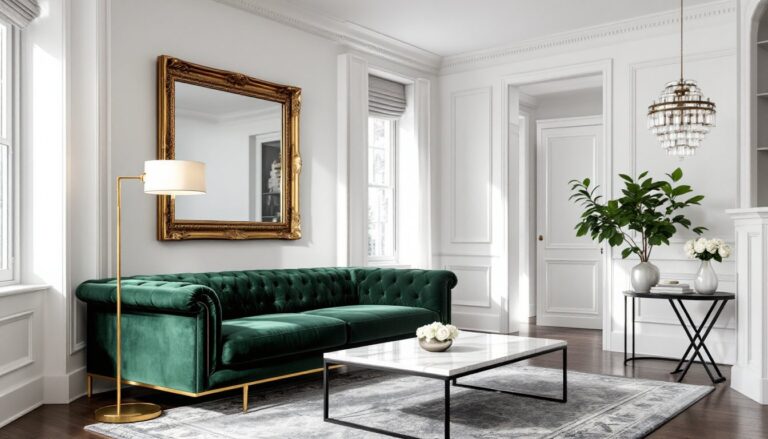
This could be a bold sofa, a patterned rug, an oversized piece of art, or even painted walls. Let this piece dictate your color story. If you’re starting with a jewel-toned velvet sofa, pull accent colors from its fabric.
Step 3: Layer Gradually
Add in stages: first textiles (pillows, throws, curtains), then smaller decor (vases, books, candles), then art and wall treatments. This prevents you from buying everything at once and regretting half of it. Live with each layer for a week or two before adding more.
Step 4: Shop Secondhand and Vintage
Maximalism isn’t about buying all-new matching sets. Thrift stores, estate sales, flea markets, and online vintage shops are goldmines for unique pieces that bring character. Don’t worry if a side table has a scratch, it adds history.
Step 5: Commit to Paint or Wallpaper
This is often the scariest step for DIYers, but it’s transformative. If you’re not ready for wallpaper, start with one accent wall in a saturated color. Use satin or eggshell finishes for easier cleaning in high-traffic areas. If you’re wallpapering, prep is everything: fill any holes with lightweight spackle, sand smooth, and apply a coat of primer rated for wallpaper adhesion. Peel-and-stick wallpaper is DIY-friendly but can bubble on textured walls, smooth drywall works best. For rental-friendly interior design ideas, consider removable options or focus on textiles and furniture.
Essential Elements and Decor Pieces
Not every maximalist room looks the same, but certain elements show up consistently.
Statement Lighting: Chandeliers, oversized pendants, sculptural floor lamps, lighting is jewelry for a room. In maximalist spaces, it’s rarely recessed or invisible. Brass, glass, and woven materials work especially well.
Layered Rugs: Yes, plural. A vintage Persian rug layered over a natural jute rug adds depth and defines zones in open-plan spaces. Make sure the top rug is smaller and the bottom one extends beyond furniture legs for proper scale.
Gallery Walls or Salon-Style Art Hangs: Cover a wall, floor to ceiling, with frames in varied sizes, styles, and finishes. Use a mix of art, photographs, mirrors, and even small decorative objects in shadow boxes. Start by laying everything out on the floor to plan spacing, aim for 2–3 inches between frames. Use picture-hanging wire and D-rings rated for the frame weight: drywall anchors are your friend if you’re not hitting studs.
Books as Decor: Stack them, shelve them, pile them on coffee tables. Books add color, texture, and the impression that people actually live in the space. Mix orientations, some vertical, some horizontal, and top stacks with small objects.
Textiles Everywhere: Throws, pillows, curtains, table runners, upholstered furniture. Use cotton, linen, velvet, and wool for a varied hand-feel. Don’t shy away from fringe, tassels, or embroidery.
Plants and Natural Elements: Greenery softens the visual intensity and brings life into pattern-heavy rooms. Fiddle-leaf figs, pothos, snake plants, or even dried pampas grass work. Use ceramic or terracotta pots in colors that complement your palette. Exploring different home decor design approaches can also help you balance natural and bold elements.
Common Mistakes to Avoid
Maximalism is forgiving, but it’s not foolproof. Here’s where DIYers often stumble.
Mistake 1: No Focal Point
If everything screams for attention, nothing gets it. Even in a busy room, you need a visual hierarchy. Let one element, art, a fireplace, a bold sofa, be the star, and arrange other pieces in supporting roles.
Mistake 2: Ignoring Scale
A room full of tiny objects looks cluttered. A room full of oversized pieces feels claustrophobic. Mix large anchor pieces with medium and small accessories to create rhythm.
Mistake 3: Buying Everything New
Brand-new furniture in a maximalist room can feel sterile or staged. Age, patina, and wear add authenticity. Mix new with vintage to avoid the “showroom” effect.
Mistake 4: Forgetting Function
A room can be beautiful and still livable. Don’t block walkways with furniture, don’t hang art so low it gets bumped, and don’t sacrifice seating or storage for the sake of more decor. If you have kids or pets, skip the white velvet and go for performance fabrics that can handle real life.
Mistake 5: Using Only One Finish
If every metal in the room is brushed nickel or every wood tone is the same oak, the space feels flat. Mix brass, black iron, and copper. Combine light woods with dark stains. Contrast keeps the eye moving. Many home decor and design ideas emphasize mixing finishes for visual interest.
Room-by-Room Application Tips
Maximalism translates differently depending on function.
Living Room: This is your showcase. Go bold with wallpaper or a saturated paint color, then layer in a patterned rug, an eclectic gallery wall, and a mix of seating styles. Use a large coffee table or ottoman as a grounding piece, aim for a table that’s about two-thirds the length of your sofa. Add task and ambient lighting with floor lamps and table lamps in varied styles.
Bedroom: Maximalism here should still feel restful. Use rich, moody colors (deep greens, navy, burgundy) rather than bright primaries. Layer bedding, duvet, coverlet, throw, multiple pillow sizes and patterns. Hang curtains high and wide to make windows feel larger: use rods mounted 4–6 inches above the frame and extending 6–8 inches on each side. A canopy bed or dramatic headboard anchors the space. Resources like MyDomaine often showcase how to balance drama with comfort in bedrooms.
Kitchen and Dining: Open shelving loaded with colorful dishware, patterned tile backsplashes, vintage textiles as table runners, mismatched chairs around a solid wood table. If you’re tiling, remember that smaller tiles (like 2×2 mosaics) require more grout and labor, consider hiring a pro if you’re not confident with tile layout and spacers. Painted cabinetry in unexpected colors (deep teal, mustard, even black) adds personality without major structural work.
Bathroom: Go big on wallpaper or bold paint, it’s a small space, so you can afford to be daring. Add brass or matte black fixtures, patterned tile (even just as an accent), vintage mirrors, and open shelving for colorful towels and apothecary jars. Ventilation is critical in bathrooms: if you’re adding wallpaper, use a vinyl or vinyl-coated option rated for moisture, and run your exhaust fan during and after showers.
Home Office: Maximalism keeps creative energy high. Paint or wallpaper one wall, hang art salon-style, use a vintage desk or repurposed table, and add task lighting with personality. Keep cords tidy with cable management boxes or clips, nothing kills a curated look faster than a tangle of black wires. Inspirational spaces featured on sites like Decoist often highlight clever maximalist office setups.
No matter the room, start with one bold move and build from there. Eclectic maximalism is a process, not a one-weekend project. Take your time, trust your taste, and remember: if it makes you happy when you walk in the door, you’re doing it right.