Table of Contents
ToggleSingapore condos don’t give you much room to play with, most units fall between 500 and 1,000 square feet, and every inch counts. But tight quarters don’t mean settling for cramped, cluttered living. With smart planning, intentional storage, and the right design approach, compact spaces can feel open, functional, and genuinely comfortable. The key is understanding how Singapore’s climate, building standards, and lifestyle patterns shape what actually works in these high-rise homes.
Key Takeaways
- Condo interior design Singapore requires measuring units precisely and creating scaled floor plans before purchasing furniture to avoid costly mistakes and maximize space efficiency.
- Singapore’s tropical humidity (70–90%) demands moisture-resistant materials like engineered wood, luxury vinyl planks, and performance fabrics to prevent mold, warping, and deterioration.
- Multi-functional furniture and zoning by activity rather than rigid room divisions transform compact 500–1,000 square foot units into adaptable, comfortable living spaces.
- Built-in storage solutions and wall-mounted shelving maximize vertical space while keeping floors clear, making them superior to freestanding furniture in small condos.
- Japandi and Scandinavian minimalism with tropical touches—featuring natural materials like teak, bamboo, and live plants—combine practicality with aesthetic appeal for humid climates.
- Structural constraints, load-bearing wall regulations, and fixed HVAC ducts require professional engineering verification before renovations to ensure compliance with Building and Construction Authority standards.
Understanding Singapore’s Unique Condo Design Challenges
Singapore condos operate under constraints that don’t apply elsewhere. Most units are part of high-density developments governed by the Building and Construction Authority (BCA) regulations, which set strict guidelines for structural modifications. Load-bearing walls can’t be removed without approval, and even minor changes to plumbing or electrical systems often require permits.
Humidity is the silent saboteur here. Year-round levels hover between 70% and 90%, which means materials like solid wood, certain fabrics, and low-grade laminates can warp, mold, or degrade faster than they would in drier climates. Ventilation isn’t optional, it’s structural. Units with poor airflow or inadequate dehumidification will develop musty odors and surface mold within months.
Column placement and service ducts create awkward corners and unusable pockets. Many condos have structural columns that jut into living areas or bedrooms, and HVAC or plumbing ducts that can’t be relocated. These fixed elements force furniture layouts into specific configurations, and ignoring them leads to dead space or blocked pathways.
Natural light is inconsistent. Units facing north or nestled between taller blocks get limited sun exposure, making artificial lighting a necessity rather than an accent. Conversely, west-facing units can overheat in the late afternoon, requiring window treatments that block glare without killing the view.
Smart Space Planning for Compact Condo Living
Before buying a single piece of furniture, measure the unit with a laser distance measurer and create a scaled floor plan. Mark electrical outlets, windows, air-con vents, and structural columns. This visual reference prevents expensive mistakes, like ordering a sectional that blocks the only pathway to the bedroom.
Zone your space by activity, not by rigid room definitions. In a 600-square-foot unit, the “living room” might also serve as a home office during the day and a dining area at night. Use area rugs, different lighting temperatures, or low partitions to create visual boundaries without building walls.
Furniture scale matters more than style. A bulky three-seater sofa can dominate a small living room, making it feel like a furniture showroom. Instead, opt for a loveseat or modular seating that can be rearranged. Coffee tables with slim frames or transparent materials (like tempered glass or acrylic) take up less visual weight.
Open-Concept Layouts and Multi-Functional Zones
Knocking down walls between the kitchen and living area is a popular move in Singapore condos, but it’s not always structurally feasible. Before swinging a sledgehammer, hire a licensed structural engineer to verify which walls are load-bearing. If the wall you want to remove is structural, you’ll need steel beams or reinforcements, and a permit.
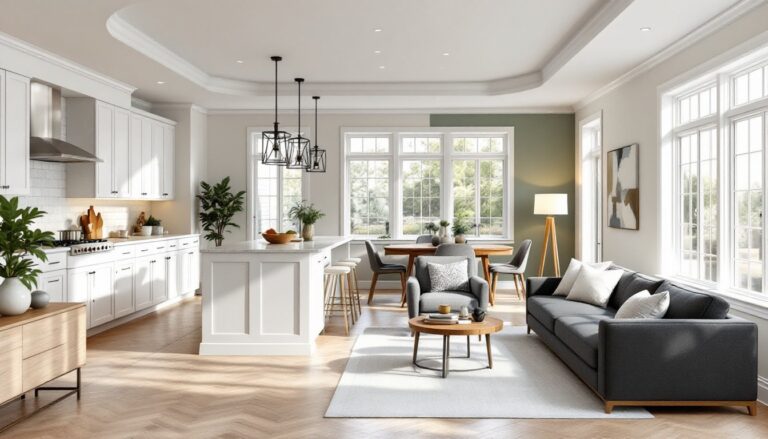
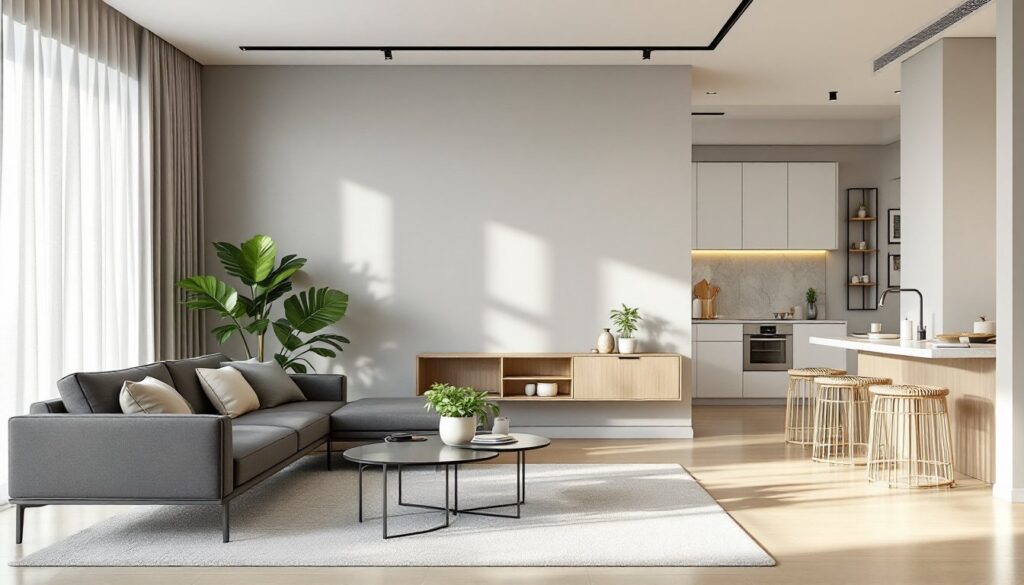
Once you’ve got an open layout, anchoring each zone with purposeful elements is key. A kitchen island with bar seating doubles as a dining table and a visual divider. A console table behind the sofa creates a buffer between the living and dining zones without blocking sightlines.
Multi-functional furniture isn’t just about sofa beds anymore. Look for dining tables with drop leaves, ottomans with hidden storage, or wall-mounted desks that fold flat when not in use. In many interior home design ideas, flexible pieces are the difference between a space that adapts and one that feels permanently locked into a single function.
Popular Interior Design Styles for Singapore Condos
Design trends in Singapore lean toward clean lines, neutral palettes, and materials that handle humidity without constant maintenance. Japandi (a fusion of Japanese minimalism and Scandinavian functionality) has gained traction for its emphasis on natural textures, low-profile furniture, and uncluttered surfaces, all practical for small spaces.
Modern industrial styles work well in older condos with exposed concrete or higher ceilings. Metal shelving, Edison bulb fixtures, and raw wood accents add character without requiring major renovations. Just be mindful of rust, coastal humidity accelerates corrosion on untreated steel.
Contemporary minimalism remains the safest bet for resale value. Neutral walls, built-in cabinetry, and concealed storage appeal to a broad range of buyers. It’s not flashy, but it’s functional and won’t polarize future owners.
Scandinavian Minimalism Meets Tropical Touches
Scandinavian design emphasizes light woods, whites, and grays, ideal for making small spaces feel airy. But pure Scandi can feel sterile in a tropical setting. Homeowners are softening the look with rattan furniture, linen textiles, and indoor plants that thrive in Singapore’s climate.
Bamboo and teak accents bring warmth without adding visual clutter. A teak bench in the entryway or bamboo pendant lights over the dining table introduce natural texture while resisting moisture damage. Many projects featured on Homify showcase this hybrid approach, blending Nordic simplicity with Southeast Asian materiality.
Plants aren’t just decor, they’re functional. Pothos, snake plants, and peace lilies tolerate low light and help manage indoor humidity. Grouping plants on floating shelves or a dedicated plant stand adds greenery without sacrificing floor space.
Storage Solutions That Don’t Compromise Style
Storage in a Singapore condo is non-negotiable, but bulky wardrobes and freestanding cabinets eat up precious square footage. The most effective solutions are built-in or wall-mounted.
Floor-to-ceiling cabinetry maximizes vertical space and eliminates the dust-collecting gap above standard wardrobes. Custom carpentry costs more upfront, but it’s tailored to your exact dimensions and can incorporate pull-out racks, adjustable shelving, and soft-close drawers. If hiring a carpenter, ask for a detailed interior design contract that specifies materials, hardware brands, and a fixed timeline, disputes over scope creep are common.
Under-bed storage is underutilized. Platform beds with built-in drawers or hydraulic lift mechanisms can store off-season clothing, extra linens, or luggage. Just ensure the mechanism is rated for humid climates: cheaper hinges will corrode and fail.
Wall-mounted shelving and hooks keep floors clear and surfaces uncluttered. Floating shelves in the kitchen hold spices and oils, while pegboards in the entryway organize keys, bags, and shoes. Use corrosion-resistant hardware (stainless steel or zinc-plated) to avoid rust stains on painted walls.
Multi-use furniture with hidden compartments continues to evolve. Benches with lift-up seats, coffee tables with internal storage, and TV consoles with deep drawers can hold everything from board games to cleaning supplies. Many homeowners find inspiration browsing small space living ideas that highlight compact storage hacks.
Avoid transparent storage bins unless you’re committed to keeping contents pristine. In humid conditions, cardboard and fabric bins can develop mildew, so opt for ventilated plastic or rattan baskets instead.
Climate-Friendly Materials and Furnishings for Singapore
Singapore’s tropical climate demands materials that resist moisture, mold, and UV degradation. Not every finish or fabric will survive the humidity, and choosing the wrong materials leads to costly replacements.
Engineered wood and laminates outperform solid wood in humid environments. While teak and mahogany can tolerate moisture with proper sealing, cheaper hardwoods will swell and crack. High-pressure laminates (HPL) and moisture-resistant MDF are common in custom cabinetry because they’re stable and cost-effective. If using solid wood, apply a water-resistant polyurethane finish and maintain it annually.
Porcelain and ceramic tiles handle humidity without issue and are easy to clean. Large-format tiles (24×24 inches or bigger) reduce grout lines, which are mold magnets. If you prefer wood-look flooring, luxury vinyl planks (LVP) with a wear layer of at least 12 mils offer durability and water resistance at a fraction of the cost of hardwood.
Upholstery and textiles need to breathe. Leather and faux leather can develop mildew if not wiped down regularly, while tightly woven synthetics trap heat. Performance fabrics (like Crypton or Sunbrella) are engineered to resist moisture and staining, making them ideal for sofas and dining chairs. Linen and cotton blends work for curtains and cushion covers, but they need frequent washing to prevent mustiness.
Metal finishes should be stainless steel, powder-coated aluminum, or treated with a rust-inhibiting coating. Raw iron and untreated brass will corrode within months. For lighting fixtures and cabinet hardware, invest in quality materials, cheap zinc alloy pulls will tarnish and pit.
Paint choices matter, too. Use anti-fungal, moisture-resistant paint on walls and ceilings, especially in bathrooms and kitchens. Flat finishes may look refined, but satin or semi-gloss sheens are easier to wipe down and resist mold growth better. Designers on Houzz frequently recommend Benjamin Moore Aura or Nippon Odour-Less for Singapore’s climate, though local brands like Dulux Weathershield also perform well.
Dehumidifiers aren’t décor, but they’re essential. Running a unit in bedrooms or walk-in closets keeps relative humidity below 60%, which prevents mold on clothing, shoes, and stored items. Portable models with auto shut-off and continuous drainage are the most practical for daily use.