Table of Contents
ToggleScrolling through Netflix for your next binge has become more than just entertainment, it’s become a legitimate source of home renovation ideas. Interior design shows have exploded on the platform, offering everything from budget-friendly makeovers to jaw-dropping luxury transformations. Unlike traditional cable programming, these shows deliver real projects with actual timelines, budgets that sometimes make sense, and design choices homeowners can actually replicate. Whether you’re planning a kitchen remodel or just want to understand why everyone’s obsessed with open-concept living, Netflix’s design lineup has something worth watching.
Key Takeaways
- Netflix interior design shows provide longer, more detailed episodes than traditional cable programming, revealing the actual design process and material choices homeowners can replicate in their own projects.
- Top shows like Dream Home Makeover focus on budget-conscious, family-friendly renovations with practical solutions such as stain-resistant fabrics and soft-close drawer glides, while The World’s Most Amazing Vacation Rentals showcases international design principles from minimalist to bohemian styles.
- Apply design lessons by capturing specific measurements (such as 10–12 inches between floating shelves), identifying materials by category rather than brand, and taking screenshots of color palettes to test how lighting affects neutral wall colors like Agreeable Gray and Repose Gray.
- Netflix’s format includes full seasons available at once, international content with diverse aesthetics, and the ability to pause and rewind for research, making it a practical tool for planning actual home renovation interior design projects.
- Pay close attention to prep work demonstrated on screen, such as TSP cleaning and primer application before cabinet painting, and always verify structural limitations through permits and engineer assessments before attempting load-bearing wall removal.
- The platform’s global reach offers design content across all budgets and skill levels, from DIY-focused projects to luxury renovations, helping viewers find inspiration that matches both their aesthetic preferences and financial constraints.
Why Netflix Has Become the Go-To Platform for Interior Design Enthusiasts
The streaming giant didn’t accidentally become a home improvement hub. Netflix figured out that people don’t just want to watch transformations, they want to learn from them.
Traditional design shows on cable followed a predictable formula: 30-minute episodes with commercial breaks, rushed reveals, and very little detail about the actual work. Netflix changed that by offering longer episodes, full seasons dropped at once, and most importantly, shows that actually explain the how behind the design decisions. You’ll see designers discuss why they chose 3-inch crown molding over 5-inch, or why they installed luxury vinyl plank instead of hardwood in a high-traffic mudroom.
The platform’s algorithm also works in your favor. Watch one makeover show, and Netflix will surface others you didn’t know existed. This creates a deeper catalog than what cable ever offered, with international shows bringing fresh perspectives on space planning, materials, and color palettes that differ from typical American design trends.
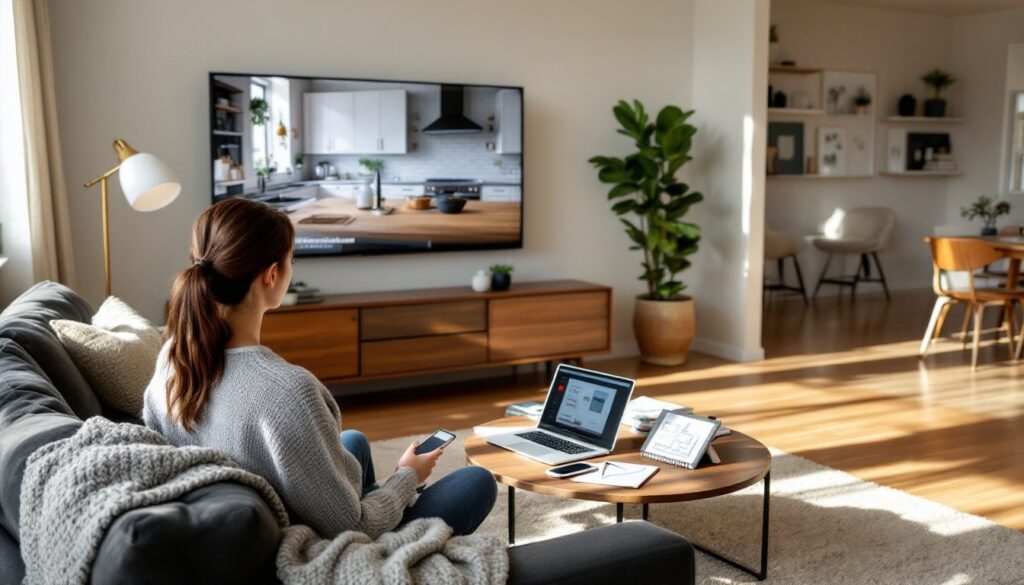
Another factor: accessibility. No cable subscription, no waiting for a specific time slot. Pause mid-episode to snap a screenshot of a tile pattern or rewind to catch the paint color name. For DIYers planning actual projects, this on-demand format turns entertainment into a practical research tool.
Top Netflix Interior Design Shows You Can’t Miss
Netflix’s design catalog varies by region and licensing agreements, but several standouts have earned dedicated followings for good reason. These aren’t just fluff, they deliver real design lessons.
Dream Home Makeover: Family-Friendly Transformations
Dream Home Makeover follows Utah-based design duo Shea and Syd McGee as they tackle residential renovations with a signature style that leans clean, bright, and family-focused. What sets this show apart is its honest approach to budget constraints and timeline realities.
The McGees specialize in whole-home renovations that balance aesthetics with function, critical for families with kids. You’ll see them specify stain-resistant fabrics for sectionals, install soft-close drawer glides in kitchens, and choose quartz countertops over marble in high-use areas. These aren’t random choices: they explain the trade-offs.
One episode might show them converting a dated 1980s kitchen with oak cabinets into a modern space using shaker-style cabinetry painted in Sherwin-Williams Pure White, paired with matte black hardware and subway tile backsplashes. They’ll mention that the cabinet boxes stayed in place, only doors and drawer fronts were replaced, a budget-saving move many home decor interior design enthusiasts overlook.
The show also doesn’t shy away from structural work. When load-bearing walls need removal, they bring in engineers and pull permits. That transparency matters for viewers planning their own projects.
The World’s Most Amazing Vacation Rentals: Design Meets Travel
This show takes a different angle. Instead of renovation how-tos, The World’s Most Amazing Vacation Rentals showcases exceptional properties from around the globe, each with distinctive design elements worth studying.
From a minimalist concrete retreat in Japan to a bohemian treehouse in Bali, the show highlights how regional materials, climate considerations, and cultural aesthetics shape interior spaces. A Scandinavian cabin might feature wide-plank pine floors, wool textiles, and strategic use of natural light through oversized windows, elements easily adapted to a home renovation.
For DIYers, the value is in the details. Notice how a Mediterranean villa uses terracotta tile flooring to stay cool, or how a mountain cabin incorporates exposed timber framing and stone accent walls without feeling like a theme park. These design principles translate directly to residential projects, especially for homeowners looking beyond standard builder-grade finishes.
The show also demonstrates effective space planning in compact environments. Many vacation rentals max out small footprints with built-in storage, Murphy beds, and multi-function furniture, lessons applicable to anyone working with a home interior design app to plan a small space.
How to Apply Design Lessons From Netflix Shows to Your Own Home
Watching is one thing. Actually executing what you see requires translating screen inspiration into measurable, buildable reality.
Start with proportions, not products. When a designer on screen installs floating shelves, note the spacing: typically 10–12 inches of vertical clearance between shelves for books, 14–16 inches for displaying larger decor. Write down these measurements. Most design failures come from eyeballing dimensions that looked good on TV.
Identify materials by category, not brand. A show might feature custom cabinetry you can’t afford, but you can replicate the look. If they used flat-panel cabinet doors with inset hinges, that’s achievable with stock cabinets from a big-box store and some careful selection. The same goes for countertops, engineered quartz delivers a similar aesthetic to natural stone at a fraction of the cost and with better stain resistance.
Pay attention to prep work shown on camera. When a crew rips out drywall for a shiplap accent wall, notice they’re installing ½-inch plywood substrate first for a stable nailing surface. When they paint cabinets, you’ll see TSP cleaning, deglosser application, primer (often an adhesion primer like Zinsser B-I-N), then two coats of cabinet-grade paint. Skipping any of these steps leads to peeling paint within six months.
Capture color palettes with screenshots. Most shows use neutrals as a base, Agreeable Gray, Repose Gray, or Swiss Coffee are common wall colors, then layer in accent colors through textiles and accessories. This approach keeps major surfaces flexible for future changes. You can test these colors with paint samples on poster board, moving them around the room throughout the day to see how natural and artificial light affect the hue.
Understand code and structural limitations. If a show removes a wall, they’re dealing with load-bearing analysis, temporary support beams, and engineered headers. Don’t assume your wall can come down without an engineer’s assessment. Most jurisdictions require permits for structural changes, electrical work, and plumbing modifications. If you’re serious about interior home design ideas that involve major changes, budget for permits and inspections.
Use the show’s mistakes as learning opportunities. Some Netflix design shows gloss over problems, but others, particularly home renovation competitions, show things going wrong. A tile installation that cracks because the subfloor wasn’t rigid enough, or a backsplash with lippage because someone didn’t use spacers. These moments are gold for DIYers.
What Makes Netflix Interior Design Shows Different From Traditional TV
The format shift isn’t just about streaming versus cable, it’s a fundamental change in how design content gets produced and consumed.
Episode length flexibility means Netflix shows can dedicate 45–60 minutes to a single project instead of cramming everything into a 22-minute cable slot. This extra time lets crews show the middle stages: the framing inspection, the electrical rough-in, the drywall hanging and taping process. For someone planning a basement finish or an addition, seeing these stages demystifies the construction sequence.
International content access brings design perspectives you won’t find on HGTV. A British show might demonstrate working with solid masonry walls instead of wood-frame construction. A Japanese renovation could show space-saving solutions like sliding shoji screens or tatami platform beds with integrated storage. These ideas cross-pollinate into American DIY projects, especially for urban dwellers working with smaller square footage.
Binge-watching creates continuity. Watch six episodes in a row, and you’ll start recognizing patterns: how often designers use LVP flooring in basements for moisture resistance, why LED recessed lighting on dimmers has become standard, or how open shelving in kitchens requires honest assessment of whether you’ll keep dishes tidy. According to best home design shows, this serialized format builds viewer expertise in ways traditional TV never achieved.
Less commercial influence means shows can focus on design principles over product placement, though some shows still partner with specific brands. You’re more likely to see generic terms like “we used a matte black faucet with a pull-down sprayer” rather than a constant brand name barrage. This helps viewers focus on the function and style rather than getting married to a specific product that might not fit their budget.
The platform’s global reach also means shows get produced with diverse budgets and aesthetics. You’ll find everything from DIY-focused content where homeowners do the labor themselves to luxury renovations with design inspiration drawn from high-end architecture. This range gives viewers options that match their own skill level and budget.
Conclusion
Netflix’s interior design lineup has evolved into a legitimate educational resource wrapped in entertainment. The platform offers more than before-and-after eye candy, it delivers practical design lessons, honest budget discussions, and enough variety to match any homeowner’s style and skill level. Whether mining Reddit interior design threads for crowd-sourced opinions or watching pros navigate permit issues and material shortages, combining multiple resources builds the knowledge base DIYers need for successful projects.