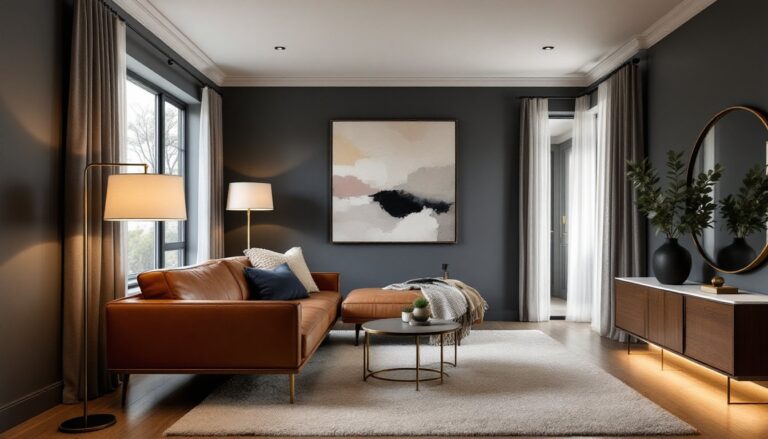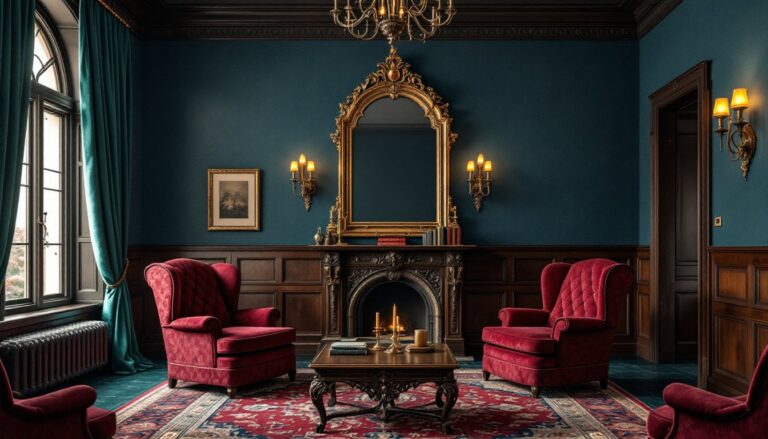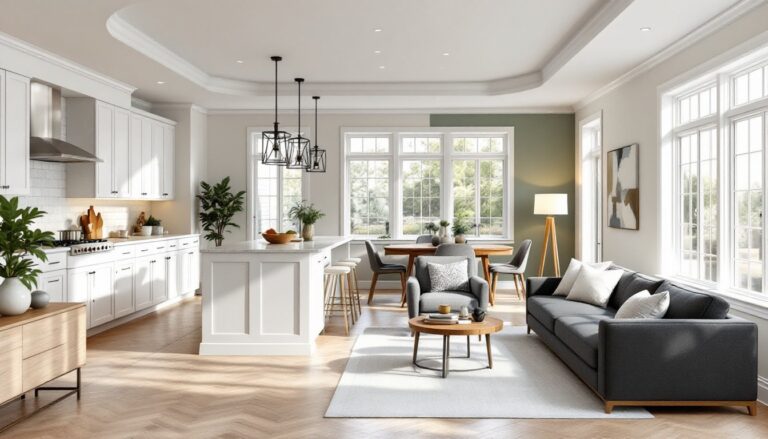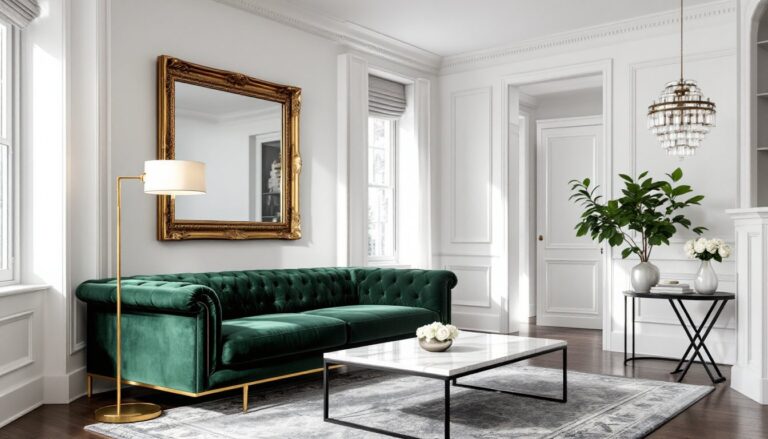
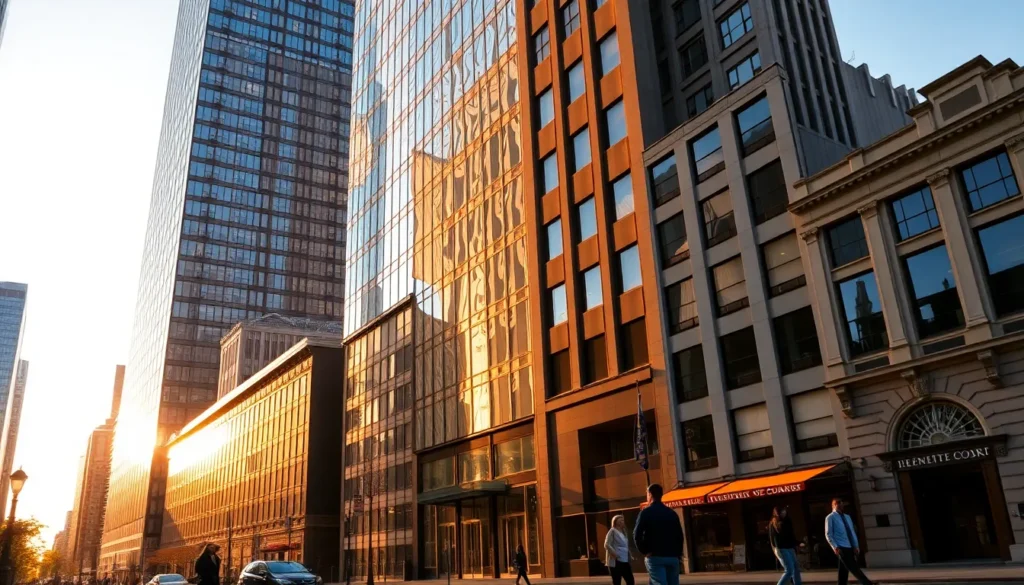
Imagine walking through a city where each building tells a story, its design speaking directly to art lovers and casual observers alike. Architecture photography captures these narratives and transports viewers into the heart of brilliant structures, all while sparking joy and inspiration. This art form isn’t just about snapping pictures: it embodies the careful balance between light, space, and structure, elements that come together to tell a compelling tale. So, grab your camera and explore why architectural photography deserves a prominent place in your life, art collection, or professional portfolio.
The Importance of Architecture Photography
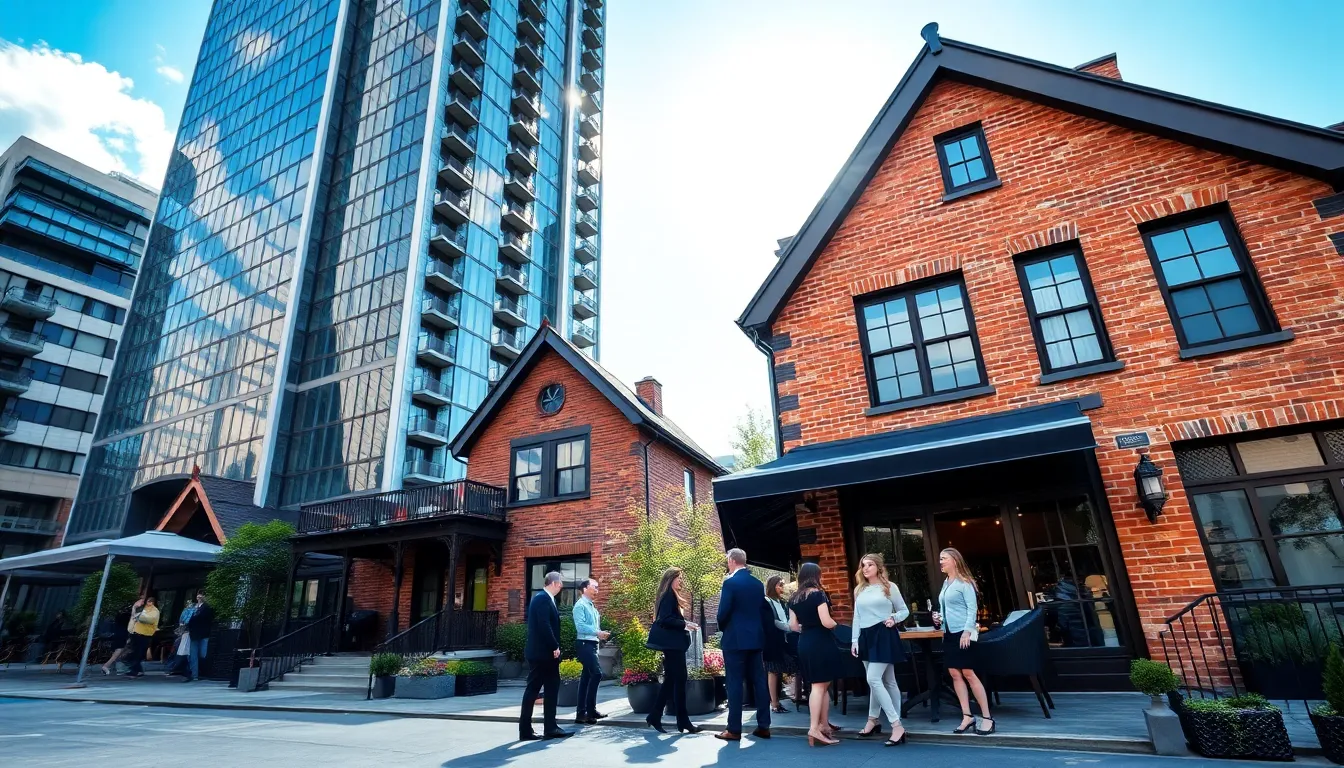
Highlighting Unique Design Elements
Architecture offers a cornucopia of visual delights. Each building, whether it’s a towering skyscraper or a quaint cottage, boasts unique characteristics. Capturing these aspects through photography illuminates outstanding features that might go unnoticed in everyday life. Interesting angles, textures, and colors can highlight a structure’s personality, often evoking strong feelings and connections from viewers.
Capturing the Essence of Spaces
Photography breathes life into spaces. It allows onlookers to experience the ambiance of a location, providing a glimpse into how it functions and feels. A well-composed photograph can convey how sunlight cascades through a grand hallway, or how shadows dance in an intimate corner of a café. These images not only document architectural design but also capture the stories of the people who inhabit and interact with these spaces.
Equipment and Techniques for Stunning Shots
Essential Gear for Architectural Photography
When it comes to architecture photography, selecting the right equipment can make or break your shot. A DSLR or mirrorless camera with a full-frame sensor is ideal for capturing intricate details. Fast lenses, particularly those with wide apertures (like f/2.8), bring depth and beauty to your images, especially in low-light conditions. Don’t forget a sturdy tripod: it ensures stability, particularly during long exposure shots, and enables capturing fine details.
Techniques to Enhance Architectural Images
Composition is vital in making stunning architectural photos. Use the rule of thirds to create balanced images. Lines play a significant role, too: leading lines can guide the viewer’s eye. Notably, don’t shy away from experimenting with different perspectives. Sometimes, the most unexpected angles yield the most striking results.
Famous Architectural Photographers and Their Styles
Influences on Modern Architectural Photography
A look back at iconic photographers reveals influences that still resonate today. Take the work of Julius Shulman, who famously captured mid-century modern architecture. His images not only showcased buildings but also incorporated the lifestyle around them. Modern photographers have built on such legacies, blending contemporary elements with classical techniques to create a fresh visual language.
Iconic Works and Their Impact on the Genre
Consider the powerful black-and-white images by architect-turned-photographer, Ezra Stoller. His works have transcended time, showing structures in their finest light. Discovering these iconic works allows aspiring photographers to understand the importance of context, mood, and storytelling in architectural photography. Through their lenses, they set a standard that future generations strive to achieve.
Tips for Photographing Architecture Like a Pro
Planning Your Shots with Composition in Mind
Preparation is key when capturing buildings. Scout locations ahead of time, and understand the structure you plan to photograph. Consider foreground elements, which can add depth to your images. Experiment with different perspectives: what seems ordinary at eye level may transform when viewed from above or below.
Best Times for Outdoor Architectural Photography
Timing is everything. Golden hour, either just after sunrise or before sunset, casts a warm glow that enhances textures and colors. The soft lighting during these times can help soften shadows, resulting in more balanced images. Don’t forget about the blue hour, too. The moments just after sunset or right before sunrise provide a beautiful backdrop, highlighting buildings against the sky.
Editing Architecture Photos: Best Practices
Software Recommendations for Post-Processing
Post-processing allows photographers to enhance images further. Software such as Adobe Lightroom and Photoshop are industry standards. They offer powerful tools needed to refine colors, adjust exposure, and even correct lens distortions. With a few clicks, a photograph can transform from average to extraordinary.
Techniques for Enhancing Architectural Features
Use tools like the adjustment brush to enhance specific areas in an image. Increasing contrast can bring out textures while fine-tuning shadows can create depth. Don’t forget about cropping: sometimes changing the aspect ratio can improve the overall composition significantly. Learn to embrace editing as a way to express your unique style.