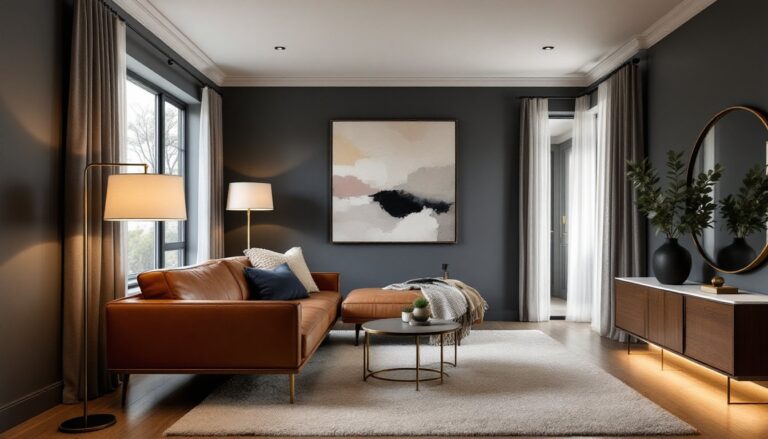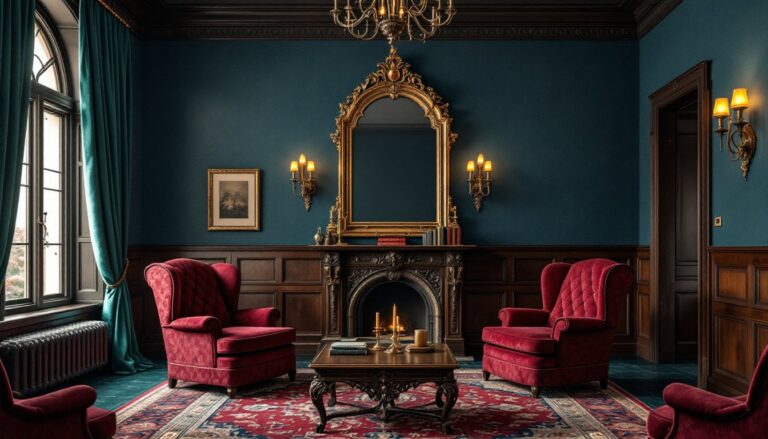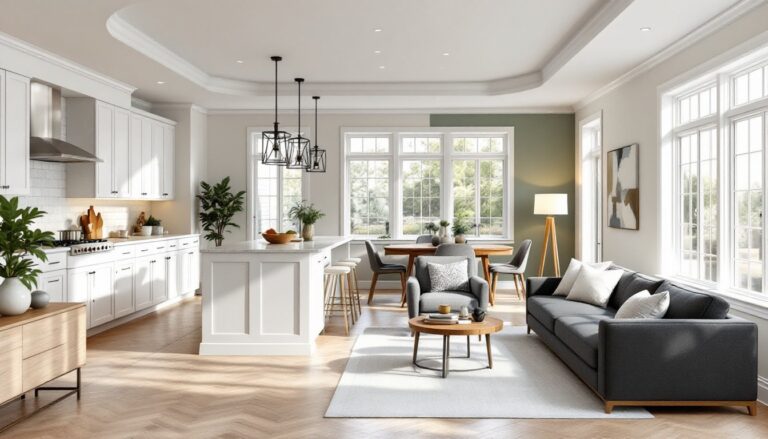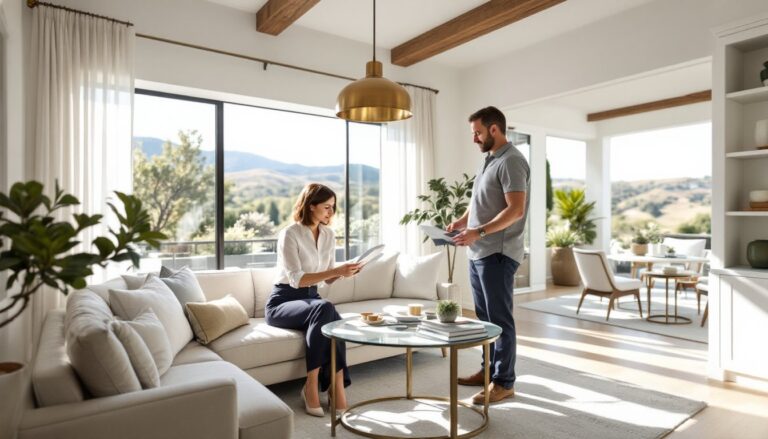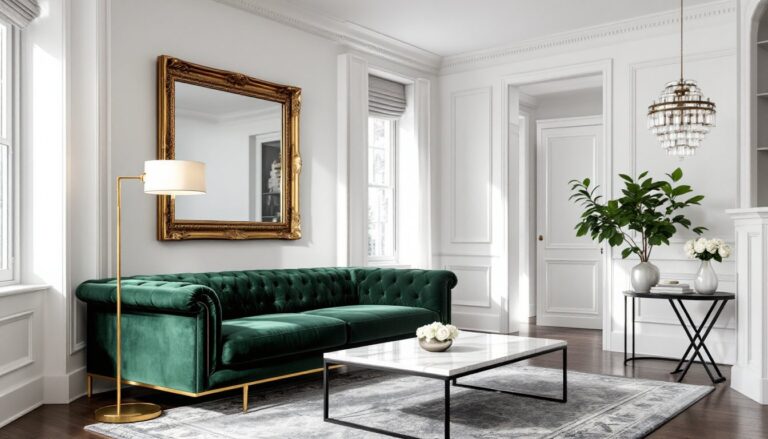

Imagine stepping into a room where every piece of furniture not only looks stunning but also makes you feel effortlessly relaxed. That’s the magic of Danish interior design. Known for its simplicity and functionality, this style is like a cozy hug for your senses. It’s minimalism with a soul, blending clean lines with warm tones, making you wonder why you ever settled for anything less. So why not jump into the world of Danish design? Trust me, your home will thank you.
The Essence of Danish Interior Design
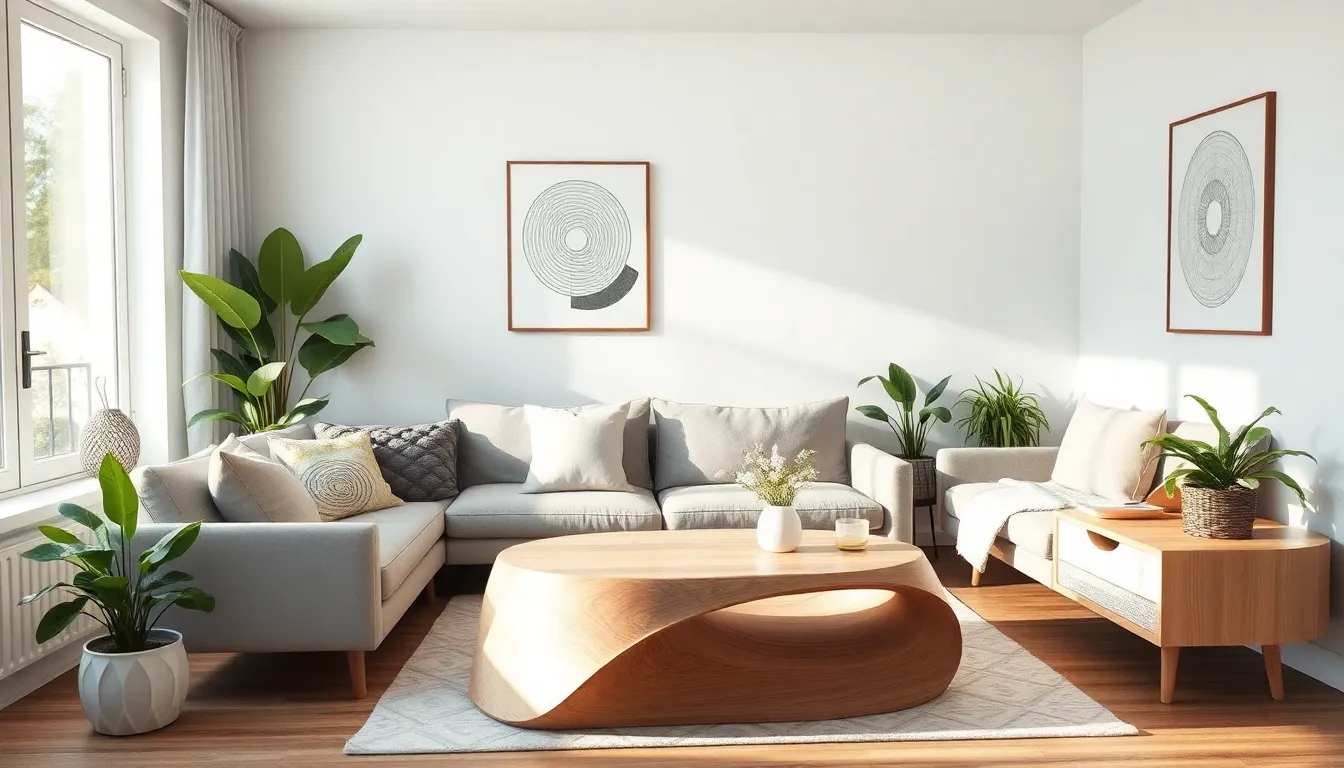
Danish interior design is synonymous with the idea of hygge, a Danish word that captures a feeling of coziness and contentment. This design approach emanates a sense of warmth, inviting everyone into an environment that feels both stylish and comfortable. The philosophy behind Danish design emphasizes simplicity, functionality, and connection to nature. It aims to create spaces that nurture well-being while encouraging creativity. Importantly, this design style pairs aesthetic appeal with practicality, making it not just easy on the eyes but also user-friendly. In essence, Danish interior design embodies a lifestyle that cherishes the balance between the beautiful and the functional.
Key Characteristics of Danish Design
Several signature characteristics define Danish design, contributing to its international acclaim.
Minimalism and Functionality
One striking quality is the minimalist approach. This design shuns clutter, focusing instead on clean lines and open spaces. Each piece of furniture serves a purpose, so enhancing functionality.
Natural Materials
Also, there’s an evident preference for natural materials. Wood, especially light woods like beech and oak, is prevalent, paired with textiles made from wool and cotton. Such materials not only look beautiful but also evoke a connection to nature.
Soft Color Palettes
The color schemes are typically soft and muted, favoring whites, greys, and earth tones. These colors make spaces feel expansive and serene, creating an inviting atmosphere.
Craftsmanship and Timelessness
Finally, Danish design boasts exceptional craftsmanship. Each item is crafted with care, ensuring quality that stands the test of time. This attention to detail embodies the essence of longevity and sustainability.
Popular Danish Design Styles
Exploring the various styles within Danish interior design reveals a rich tapestry of creativity.
Mid-Century Modern
One of the most celebrated is the Mid-Century Modern style. Characterized by organic forms, minimalist designs, and vibrant colors, it encapsulates the 1940s to 1960s mentality that holds strong today.
Scandi-Boho
Another captivating style is the Scandi-Boho trend. Marrying bohemian influences with traditional Scandinavian designs, it typically features ethnic textiles, playful colors, and an eclectic mix of patterns. This style allows for personal expression where the home feels lived in yet stylish.
Contemporary Nordic
Contemporary Nordic design is another popular avenue, focusing heavily on sustainability. This style reflects a modern twist on classic designs while keeping functionality in mind.
Incorporating Danish Design Principles in Your Home
Integrating Danish design principles into your home doesn’t require a complete remodel. Small changes can make a significant impact.
Choose Functional Furniture
Start by selecting furniture that combines practicality with aesthetics. Look for pieces like streamlined sofas and versatile coffee tables that can act as storage, too.
Opt for Natural Textiles
Next, opt for natural fabrics. Light wool or cotton throws not only enhance comfort but also contribute to the overall warm vibe of the room.
Create a Balanced Color Scheme
When it comes to color, balance is key. Aim for a harmonious blend of soft hues to create an inviting space. Combine white walls with wooden accents and pops of color to maintain a sense of cohesion.
Incorporate Greenery
Finally, introduce plants into your home. Adding greenery connects your space with nature, complies with Danish design ethos, and boosts overall well-being.
Sustainability in Danish Interior Design
Sustainability is not just a buzzword in Danish design: it’s a core philosophy. This approach is evident in various aspects of Danish interior design.
Eco-Friendly Materials
Danish designers prioritize eco-friendly materials, favoring sustainably sourced wood and organic fabrics.
Time-Tested Craftsmanship
Also, the commitment to quality ensures that pieces last longer, reducing the need for frequent replacements.
Circular Design Philosophy
Also, many designers adopt a circular design philosophy, focusing on reducing waste by creating multifunctional pieces. By choosing timeless designs, consumers invest in pieces that won’t go out of style, promoting a sustainable lifestyle.