Table of Contents
ToggleDes Moines homeowners face a unique design challenge: balancing Midwest practicality with personal style in homes that range from century-old bungalows to new construction in suburbs like Ankeny and West Des Moines. The capital’s interior design landscape reflects both its agricultural roots and growing urban sophistication. This guide walks through practical approaches to refresh any Des Moines home, covering local style trends, DIY-friendly projects, and resources specific to central Iowa, without the fluff or the need for a five-figure designer retainer.
Key Takeaways
- Interior design in Des Moines blends Midwest practicality with contemporary style, balancing historic character in older homes with modern updates in new construction suburbs.
- Modern Farmhouse and Transitional aesthetics dominate Des Moines interior design trends, with homeowners favoring natural wood tones, warm neutrals like Benjamin Moore Revere Pewter, and black metal accents over stark whites.
- High-ROI DIY projects like painting, updating light fixtures, and adding built-in storage deliver visible results without specialized skills, while major renovations (kitchens averaging $25,000–$65,000) should respect local building codes and require professional permits.
- Choose warm neutral color palettes with seasonal textile swaps to account for Des Moines’ dramatic seasonal shifts—avoiding pure gray that reads cold in winter and optimizing for year-round appeal.
- Local resources like Forrest Lumber, ReStore, and hourly interior design consultations ($100–$200) offer cost-effective alternatives to full-service designers when upgrading your Des Moines home.
Understanding Des Moines Interior Design Style and Trends
Des Moines hasn’t adopted a single signature aesthetic the way coastal cities lean heavily into beachy neutrals or industrial lofts. Instead, the area reflects a blend of traditional Midwestern comfort and evolving contemporary tastes shaped by young professionals, growing tech sectors, and a revitalized downtown.
Homes here often feature traditional bones, built between 1920 and 1960, with hardwood floors, plaster walls, and compartmentalized layouts. Many homeowners keep that character while updating finishes: refinishing oak floors instead of covering them, adding crown molding to match existing trim profiles, or opening up kitchens without completely gutting period details.
New construction in suburbs tends toward open-concept floor plans with builder-grade finishes: LVP (luxury vinyl plank) flooring, gray-toned cabinetry, and quartz countertops. These homes benefit from strategic upgrades like updated light fixtures, textured accent walls, or custom built-ins that add personality without requiring structural changes.
Popular Design Aesthetics in Des Moines Homes
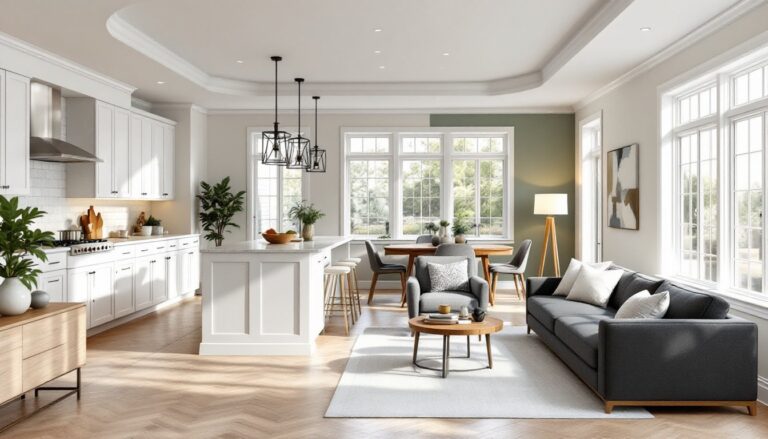
Modern Farmhouse remains the dominant trend, though it’s shifting away from the all-white shiplap phase. Current iterations mix natural wood tones, black metal accents, and warmer whites (think Benjamin Moore’s Swiss Coffee instead of stark Chantilly Lace). This style suits both historic homes and new builds.
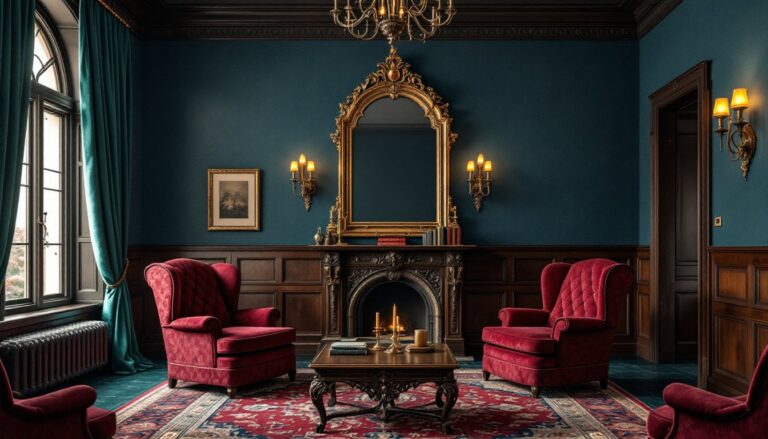
Transitional style, a blend of traditional and contemporary, works well in Des Moines’ older neighborhoods like Beaverdale and Sherman Hill. It allows homeowners to respect original architecture while incorporating cleaner lines and updated color palettes. Practical for those tackling home decor projects that balance preservation with modernization.
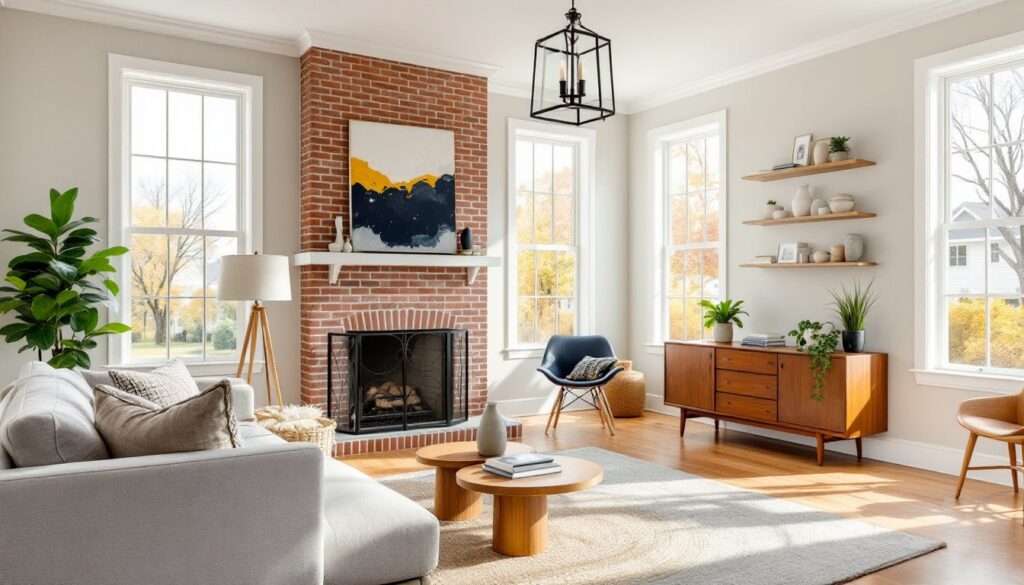
Mid-Century Modern has gained traction, particularly in ranch homes common to neighborhoods developed in the 1950s and 60s. Original terrazzo floors, stone fireplaces, and post-and-beam construction pair naturally with iconic furniture pieces and bold accent colors.
Cozy Minimalism appeals to downtown loft dwellers and condo owners. This approach emphasizes quality over quantity: fewer pieces, better materials, functional storage solutions. It’s less about Instagram-perfect vignettes and more about livable spaces that don’t require constant styling.
Finding the Right Interior Design Approach for Your Des Moines Home
Before pulling out paint swatches or browsing furniture, assess your home’s architecture and your realistic skill level. A 1920s Tudor in the Ingersoll district requires a different approach than a 2018 two-story in Waukee.
Start with structure and function. If walls are cracked, floors sag, or windows leak, address those first. Cosmetic updates won’t hide foundational problems, and Des Moines’ temperature swings, from sub-zero winters to humid 90-degree summers, expose poor insulation and air sealing quickly.
For older homes, investigate whether walls are plaster or drywall before hanging heavy items or planning demolition. Plaster requires different anchors (toggle bolts or molly bolts rated for the weight) and patching techniques than standard drywall. If you’re considering removing walls, consult a structural engineer or contractor familiar with local building codes, many Des Moines homes have load-bearing walls that aren’t obvious from floor plans.
Match design scope to your timeline and budget. A full kitchen remodel in Des Moines averages $25,000–$65,000 depending on materials and whether you’re keeping the existing footprint. Painting cabinets, replacing hardware, and installing new countertops costs $3,000–$8,000 and delivers dramatic visual change without months of disruption.
Be honest about DIY limits. Hanging wallpaper, installing trim, or building basic shelving are weekends-and-evenings projects. Electrical work, plumbing beyond fixture swaps, or structural modifications require licensed professionals and permits. Polk County enforces International Residential Code (IRC) standards: unpermitted work complicates future sales and insurance claims.
Consider resale if you’re in a starter home. Bold design choices are fine if you’re staying long-term, but vivid accent walls or unconventional tile might narrow your buyer pool. Neutral bases with personality in removable elements, rugs, art, furniture, offer flexibility.
DIY Interior Design Tips for Des Moines Homeowners
Most impactful DIY projects fall into three categories: paint and finish updates, lighting improvements, and strategic storage additions. These deliver visible results without requiring specialized trade skills.
Paint remains the highest-ROI cosmetic update. Proper prep matters more than paint brand. Wash walls with TSP (trisodium phosphate) to remove grease and grime, fill nail holes with lightweight spackle, sand smooth with 120-grit sandpaper, then prime. Skip the primer on fresh walls or when painting light over light: it’s essential when covering dark colors, stains, or raw drywall.
One gallon of quality paint (Sherwin-Williams Emerald, Benjamin Moore Regal Select) covers roughly 350–400 square feet with one coat. Most rooms need two coats. Buy samples and test on multiple walls, north-facing rooms in Des Moines homes get limited natural light and read cooler than south-facing spaces.
Update light fixtures for immediate impact. Swapping builder-grade fixtures for better options takes 15–30 minutes per fixture and requires only basic tools: wire strippers, a screwdriver, and a voltage tester. Always shut off power at the breaker, not just the switch. If wiring looks old (cloth-wrapped, brittle insulation), call an electrician, knob-and-tube wiring common in pre-1950 homes isn’t safe for modern loads.
Choose fixtures that scale appropriately. A dining room chandelier should be roughly half to two-thirds the table width: hang it 30–36 inches above the tabletop. For rooms, add length and width in feet, then convert to inches for appropriate fixture diameter (a 12×14 room = 26 inches).
Built-in storage suits Des Moines homes with limited closet space. Many older homes lack modern storage expectations. Adding closet organizer systems (wire or laminate), floating shelves, or mudroom cubbies improves function. Tools like design software help visualize layouts before cutting material.
When installing shelving, locate studs with a stud finder, Des Moines homes typically have studs on 16-inch centers. Use appropriate fasteners: #8 or #10 wood screws into studs for heavy loads, drywall anchors rated for weight when studs aren’t positioned correctly.
Working with Color Palettes That Complement Iowa’s Seasons
Central Iowa’s dramatic seasonal shifts influence how colors read indoors. Summer brings intense sunlight and green landscapes: winter delivers gray skies, brown fields, and limited daylight. Choose palettes that feel balanced year-round rather than optimized for one season.
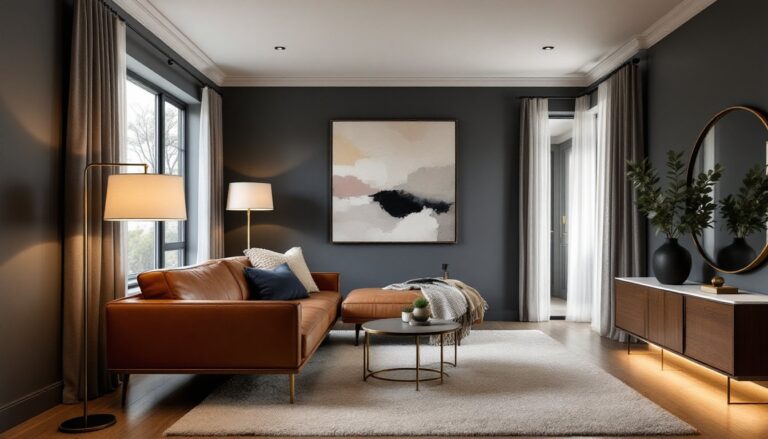
Warm neutrals with flexible accents work best. Base walls in greiges (gray-beige hybrids like Sherwin-Williams Accessible Beige or Benjamin Moore Revere Pewter) provide neutral backgrounds that don’t feel cold in January or washed out in July. Avoid pure gray, it can read flat and institutional without abundant natural light.
Layer in texture and pattern through textiles. Swap throw pillows, blankets, and area rugs seasonally instead of repainting. Lighter linens and cottons in summer: heavier wools and velvets in winter. This approach delivers seasonal refresh without permanent commitment, which aligns well with home interior design trends emphasizing flexibility.
Use Iowa’s natural landscape for inspiration. Corn gold, soybean green, prairie grass tans, and sunset oranges translate to accent colors that feel regionally appropriate without being literal. Deep navy or forest green work year-round and pair well with natural wood tones common in older Des Moines homes.
Consider lighting temperature alongside paint color. Bulbs are rated in Kelvin (K), lower numbers (2700K–3000K) produce warm, yellowish light: higher numbers (4000K+) produce cool, bluish light. Warm white bulbs soften grays and neutrals: daylight bulbs enhance task areas like kitchens and bathrooms.
Local Resources and Inspiration for Des Moines Design Projects
Des Moines offers solid local sources for materials, inspiration, and hands-on help that often beat big-box convenience with expertise and unique options.
Forrest Lumber (5500 SE 14th St) stocks quality lumber, trim, and specialty millwork useful for matching historic profiles or custom built-ins. Staff can help calculate material needs and recommend appropriate wood species for different applications, poplar for painted projects, oak or maple for stained work.
Wohlers Construction Supply (multiple Des Moines locations) carries tile, countertop materials, cabinets, and finish hardware. Seeing full slabs or large-format tile in person prevents online ordering surprises when grain patterns or veining don’t match expectations.
ReStore (Habitat for Humanity, 2750 E University Ave) offers salvaged building materials, light fixtures, doors, and cabinets at a fraction of retail. Inventory varies, but patient shoppers find quality pieces that add character, original door hardware, vintage light fixtures, solid wood doors, that new construction lacks.
Homemakers Furniture (515 SW 9th St) and Atomic Garage (vintage and mid-century pieces) provide local furniture shopping with better quality control than wayfair-style online retail. Test furniture in person, sit on sofas, open drawers, check joinery, before committing to pieces you’ll use daily.
For digital inspiration, online design platforms provide room-specific ideas and product sourcing, though always verify dimensions and material specs before ordering. Using design apps helps visualize layouts and color schemes before purchasing materials.
Local workshops and education: The Des Moines Home + Garden Show (Iowa Events Center, annually in January) features vendors, demonstrations, and design consultations. Sherwin-Williams and Benjamin Moore stores offer free color consultations. Some locations host weekend workshops on painting techniques, color theory, and product selection.
Online communities like design forums provide crowdsourced advice, though verify recommendations with local contractors familiar with Des Moines’ specific challenges, frost heave, humidity, tornado-zone building requirements.
Professional help doesn’t always mean full-service designers. Many Des Moines interior designers offer hourly consultations ($100–$200) where they’ll assess your space, provide direction, and create actionable plans you execute yourself. This hybrid approach works well for DIYers who want expert input without designer markups on every purchase.
Conclusion
Transforming a Des Moines home doesn’t require a designer or unlimited budget, it requires understanding your home’s bones, honest assessment of your skills, and strategic focus on high-impact updates. Whether refreshing a Beaverdale bungalow or personalizing new construction in Waukee, prioritize function and durability alongside aesthetics. Central Iowa’s climate and regional character offer design opportunities that honor both tradition and contemporary living.