Table of Contents
ToggleIn a world overflowing with stuff, embracing minimalism can feel like a breath of fresh air—like finally finding that missing sock in the laundry. Interior design for a minimalist home is all about creating spaces that breathe, allowing simplicity to shine without the clutter. Imagine walking into a room where every item serves a purpose and has a story, rather than just being a dust magnet.
Understanding Minimalist Interior Design
Minimalist interior design focuses on simplicity and intentionality. Spaces reflect a refined aesthetic where each element serves a purpose.
Key Principles of Minimalism
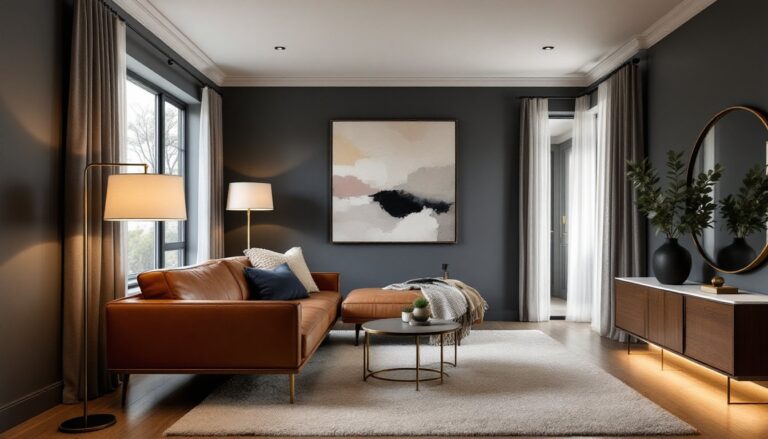
Less is more defines the minimalist approach. Clean lines and uncluttered spaces dominate the design. Neutral colors create a calming environment, allowing for emphasis on texture and form. Functionality remains paramount, with furniture and decor aligning with everyday needs. Clutter-free surfaces invite relaxation and mindfulness into living areas. Every selection holds significance in achieving balance and harmony.
Benefits of Minimalist Design
Embracing minimalism fosters a sense of tranquility. Reduced clutter leads to improved focus and reduced stress. Cost efficiency emerges from fewer, high-quality purchases rather than numerous items. Sustainability plays a role as less consumption means a smaller environmental footprint. Simple designs enhance versatility, adapting easily to changing preferences or lifestyles. Minimalist homes encourage a lifestyle that prioritizes experiences over possessions.
Essential Elements of Minimalist Home Design
Minimalist home design incorporates specific key elements that enhance simplicity and function. Focus on details like color palettes and materials as well as thoughtful furniture selection.
Color Palette and Materials
Neutral colors dominate a minimalist aesthetic. Shades like white, beige, gray, and soft pastels create a calm environment. Additionally, natural materials such as wood, stone, and metal provide texture without overwhelming the space. Minimalist interiors prioritize quality over quantity, favoring fewer but high-quality finishes. Incorporate matte finishes rather than glossy, as they contribute to a serene atmosphere. Consistency in materials adds coherence throughout the home, promoting a seamless flow in design.
Furniture Selection and Placement
Choose functional furniture that serves multiple purposes. A sofa with storage or a coffee table that doubles as a workspace enhances utility. Placement plays a significant role in maintaining an uncluttered look. Arrange furniture to allow for easy movement and maximize natural light. Avoid overcrowding, keeping pathways clear and open. Select pieces with clean lines and minimal ornamentation for a streamlined appearance. Thoughtful selection and placement create a balanced space that promotes relaxation and mindfulness.
Creating Functional Spaces
Creating functional spaces in a minimalist home enhances comfort and accessibility. Each area serves a purpose, promoting an organized and serene atmosphere.
Open Concept Layouts
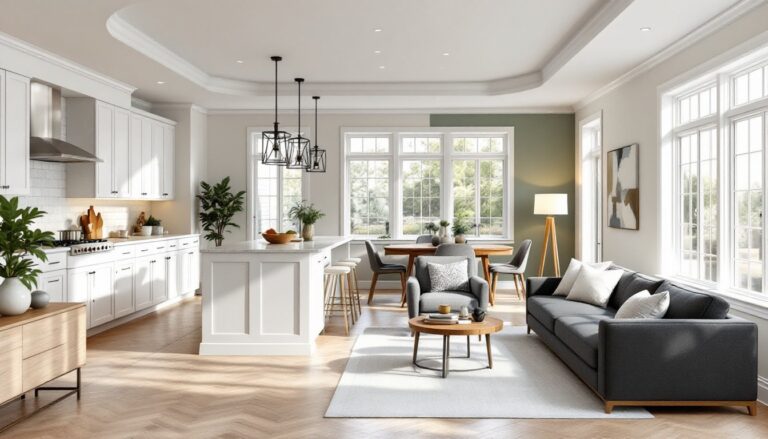
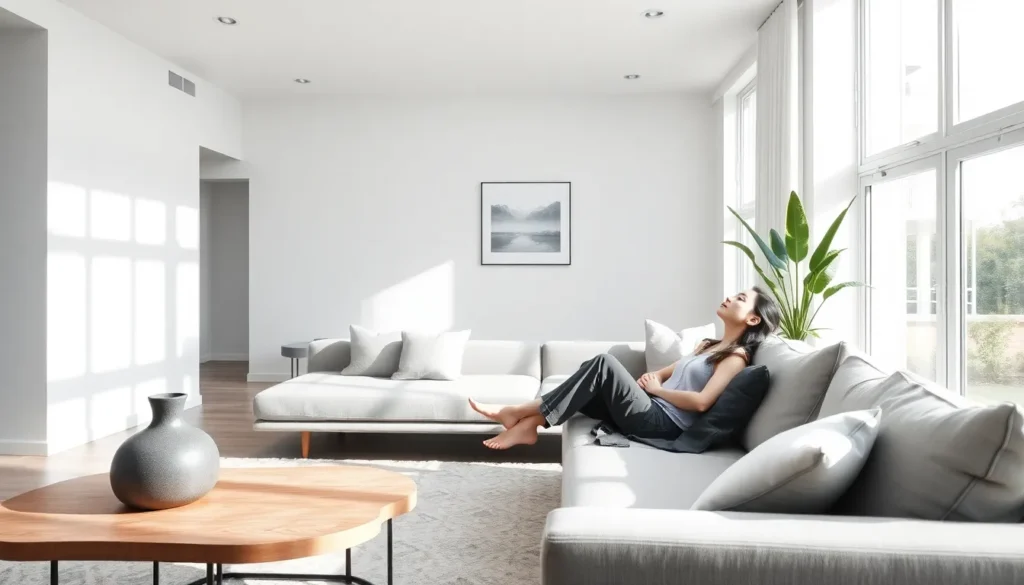
Open concept layouts maximize space and foster a sense of unity. By eliminating unnecessary walls, these designs create a fluid transition between living areas. Natural light flows freely, brightening the environment. Spaces feel larger due to fewer barriers, allowing for easier movement and interaction. These layouts often encourage socializing while maintaining a clean, uncluttered feel. Furniture arrangements should focus on purpose, ensuring each piece contributes to the overall functionality of the home.
Smart Storage Solutions
Smart storage solutions prove essential in minimalist design, helping maintain order. Built-in cabinets offer sleek storage without overwhelming the space. Multi-functional furniture serves two purposes, such as a bench doubling as a storage unit. Utilizing vertical space with shelving can keep items organized yet accessible. Hidden storage options allow for less visual clutter, ensuring the home remains focused and calming. Minimalist homes benefit greatly from solutions that seamlessly integrate practicality with simplicity.
Incorporating Personal Touches
Adding personal touches to a minimalist home enhances its charm while maintaining simplicity. Minimalist decor ideas help define individuality within a streamlined environment.
Minimalist Decor Ideas
Prioritize functional yet aesthetically pleasing decor elements. Select a few statement pieces that resonate with personal taste, such as a sculptural vase or a unique coffee table. Opt for natural materials like wood or ceramics to promote warmth and texture. Incorporate plants for a touch of greenery; they also contribute to air quality. Limit the number of decorative items to avoid clutter. Use multifunctional pieces like a decorative box that serves as storage. Place items purposefully, ensuring they complement the overall design and promote harmony.
Artwork and Accessories
Choose artwork that reflects personal style while aligning with minimalist principles. Large-scale prints or bold abstracts create focal points without overwhelming the space. Position these pieces strategically to draw the eye and enhance natural light. Accessories should share a common theme or color palette, fostering a cohesive look. Consider placing meaningful photographs in simple frames, curated in small groups. Craft a balanced arrangement by varying sizes and orientations within the display. Prioritize quality over quantity by investing in few art pieces that truly resonate.
Challenges of Minimalist Interior Design
Minimalist interior design presents unique challenges that require careful consideration. Adhering to minimalist principles often leads to common mistakes that detract from achieving the intended serene environment.
Common Mistakes to Avoid
Choosing too many decorative items can disrupt the intended simplicity. Forgetting to prioritize functionality can result in impractical spaces. Selecting minimalism without a cohesive theme often leads to disjointed rooms. Avoiding adequate storage solutions prevents maintaining a clean aesthetic, which is vital in minimalist design. Ignoring the importance of scale and proportion can make spaces feel unbalanced. Designers frequently overlook the emotional impact of personal touches, which can enhance a minimalist setup significantly. Each choice should always align with the core tenets of minimalism to foster clarity and purpose.
Balancing Minimalism with Comfort
Finding the right balance between minimalism and comfort poses a challenge for many. Integrating soft textures can create warmth in otherwise stark spaces. Choosing multifunctional furniture enhances usability without overcrowding. Utilizing natural elements, like wood and plants, provides a cozy touch while maintaining simplicity. Placing furniture to promote flow helps in making spaces feel welcoming. Selecting a limited number of decorative pieces allows for personality while avoiding clutter. Ensuring adequate lighting, with both natural sources and carefully chosen fixtures, contributes to an inviting atmosphere. Each element contributes to a harmonious design that embraces both minimalism and comfort.
Embracing minimalism in interior design transforms living spaces into serene retreats. By prioritizing simplicity and functionality, individuals can create environments that foster mindfulness and relaxation. Thoughtful selection of decor and furniture enhances both aesthetics and purpose, allowing each piece to contribute meaningfully to the overall design.
Incorporating personal touches while maintaining a cohesive theme adds warmth and character without overwhelming the senses. Ultimately, a minimalist home not only reflects personal style but also supports a lifestyle centered on experiences rather than excess. This approach encourages a deeper connection with one’s surroundings, promoting tranquility and harmony in daily life.