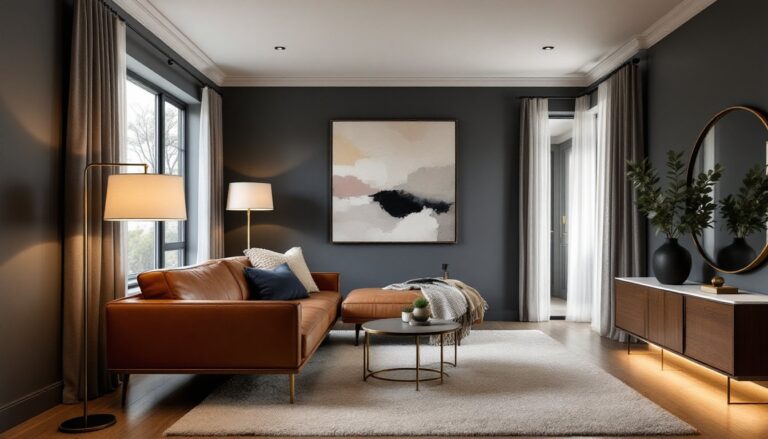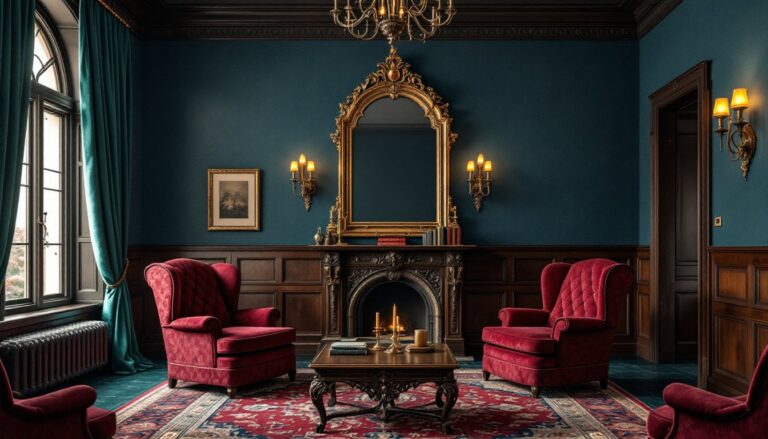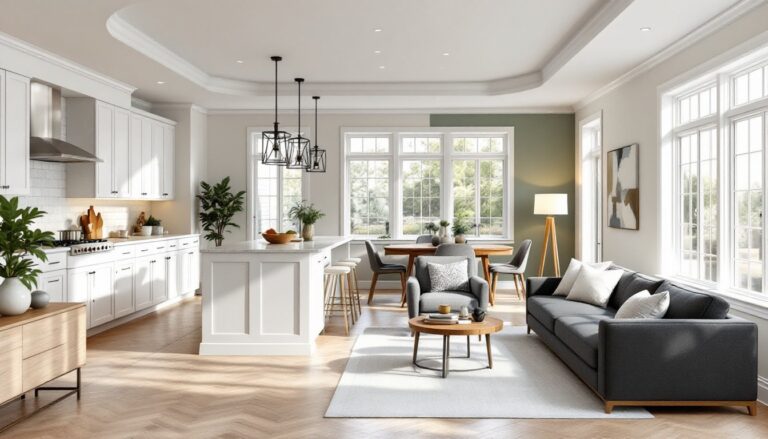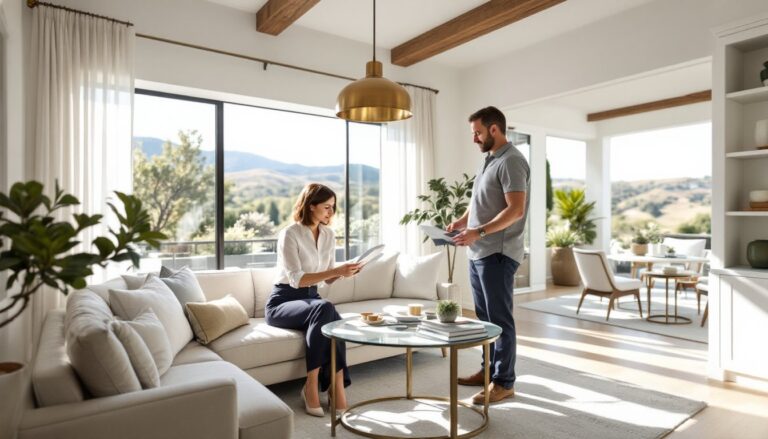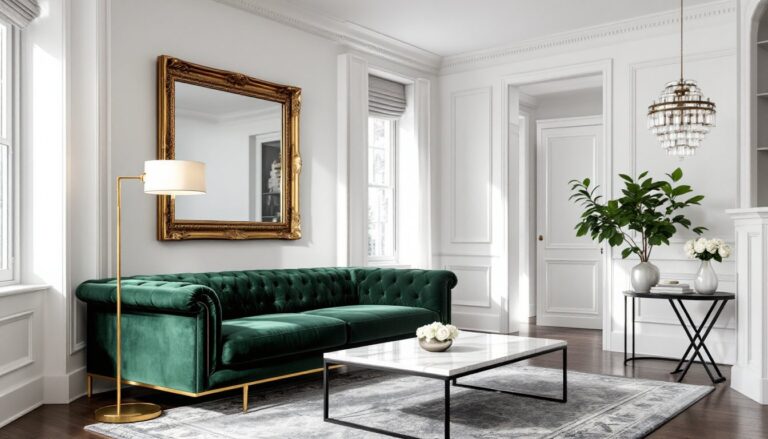
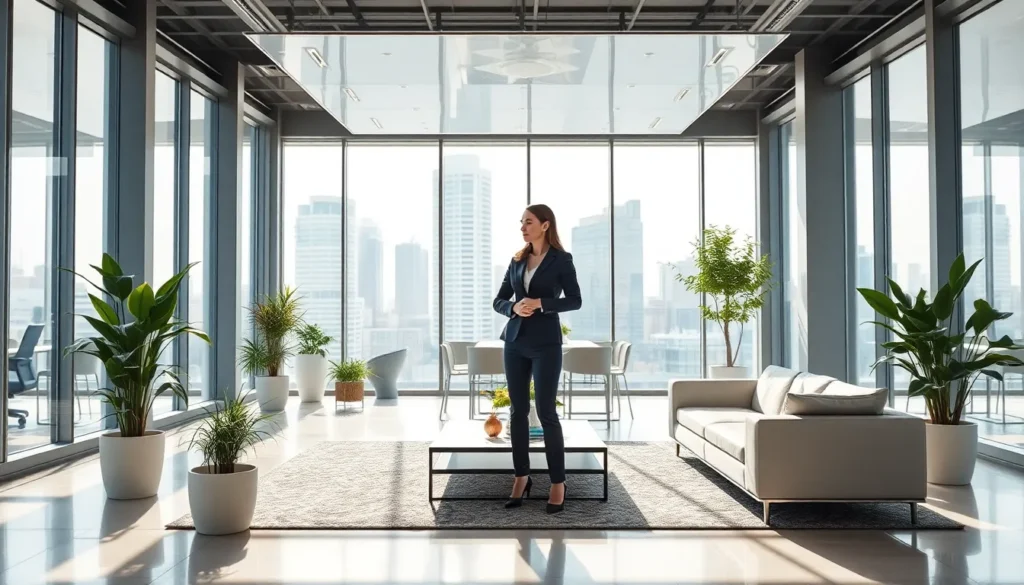
When you think of architecture, you might picture towering skyscrapers or sprawling mansions. But what truly holds these structures together is often invisible, lurking within the walls, yes, we’re talking about internal architecture. It’s the unsung hero of design, a realm where aesthetics and functionality collide like a hipster barista and a tech-savvy architect. Buckle up, because understanding this world not only elevates your appreciation of buildings but might just make you the ‘architecture whisperer’ among your friends.
Understanding Internal Architecture
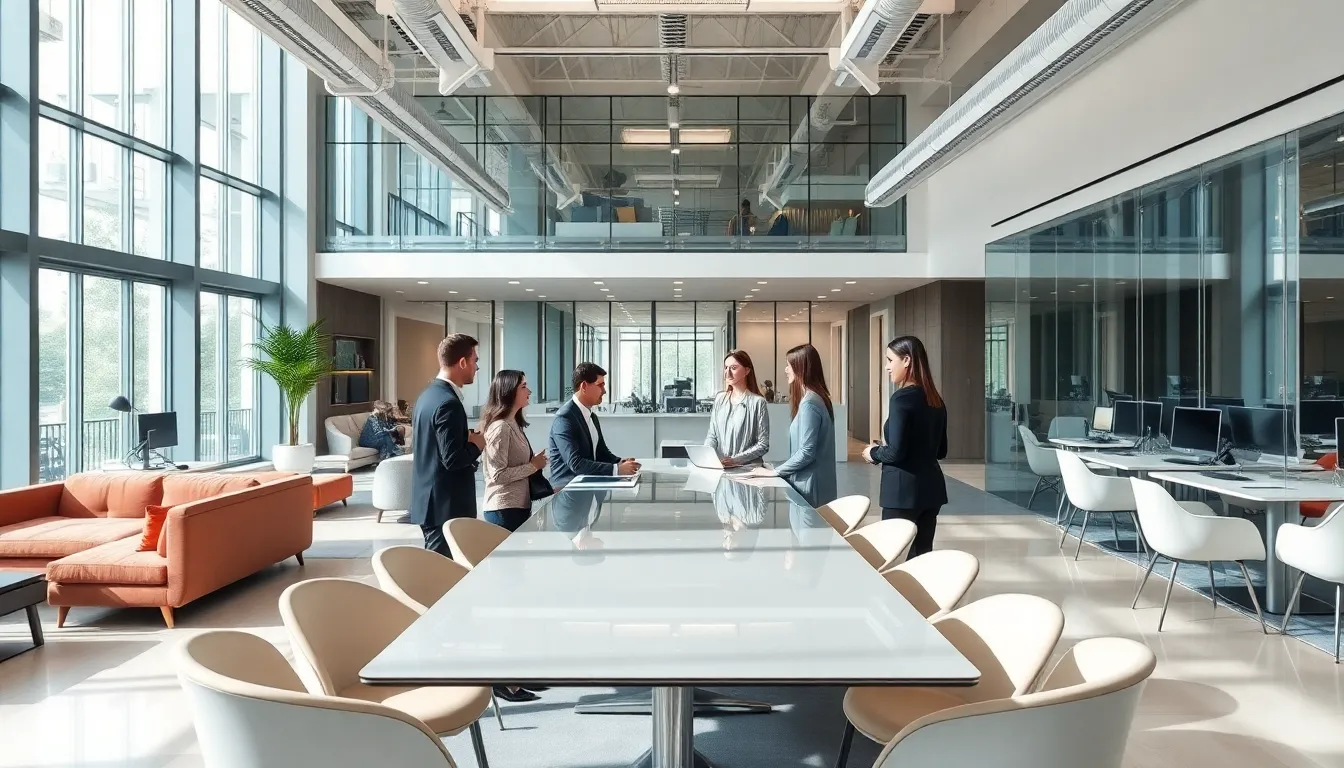
Internal architecture refers to the arrangement of spaces, systems, and infrastructure that exist within a building. It encompasses not just the physical partitions, but also how those areas interact, facilitating movement and accessibility. Think of it as the DNA of a building, complex yet elegantly designed, contributing to overall harmony. Effective internal architecture can improve functionality while enhancing the user experience, creating spaces that are both more inviting and efficient.
The Importance of Internal Architecture in Design
Why should anyone care about internal architecture? The answer lies in its role as a backbone of building design. By optimizing internal layouts, architects can create environments that foster productivity, creativity, and comfort. Imagine walking into a corporate office designed with open spaces that encourage collaboration. Or consider a cozy cafe where each nook invites relaxation. These aren’t accidents: they’re calculated results of thoughtful internal architecture that prioritizes both aesthetics and utility, bridging form with function.
Key Components of Internal Architecture
Key components of internal architecture include:
- Space Planning: This is the strategic arrangement of areas to fit their intended use. For example, a mixed-use development needs to balance residential, commercial, and recreational spaces effectively.
- Circulation: How people move through a space significantly affects its usability. Design choices about hallways, staircases, and elevators can enhance or hinder this flow.
- Lighting and Acoustics: Natural and artificial lighting play crucial roles in breaking up spaces and creating moods. Similarly, sound control can turn a noisy office into a tranquil workspace.
- Material Selection: From flooring to wall finishes, the materials chosen can contribute to the ambiance and functionality of a space.
- Systems Integration: Incorporating HVAC, plumbing, and other systems seamlessly into the architecture is essential for operational efficiency.
Types of Internal Architecture
Understanding the different types of internal architecture can enlighten one’s perspective on design. Common types include:
- Residential Internal Architecture: Focuses on creating comfortable living environments, often with an emphasis on personal expression.
- Commercial Internal Architecture: Here, functionality reigns. Spaces are designed with the user experience in mind, optimizing for customer flow in retail settings or workflow in offices.
- Institutional Internal Architecture: Schools, hospitals, and public buildings fall here. These spaces must adhere to specific regulations but can also enhance learning or healing experiences through design.
- Cultural Internal Architecture: Libraries and museums often blend education and engagement in their layout, fostering a deep connection to the content they house.
Challenges in Internal Architecture
Even though the beauty of internal architecture, several challenges persist:
- Budget Constraints: One of the most pressing issues architects face is working within tight budgets while still achieving the desired aesthetic and functionality.
- Regulatory Compliance: Ensuring the design meets local building codes and regulations can be a labyrinthine process, requiring attention to detail and expert knowledge.
- Sustainability Concerns: There’s increasing pressure to create green spaces and use sustainable materials, which can complicate the design process.
- Adapting to Technology: In this tech-centric age, integrating smart solutions into internal architecture can be daunting yet essential.
Future Trends in Internal Architecture
As urban landscapes evolve, so does internal architecture. Future trends to watch include:
- Flexible Spaces: With the rise of remote work, more spaces are being designed to adapt to various needs, allowing for multifunctional usage.
- Biophilic Design: This approach emphasizes the integration of nature into interiors, improving well-being through the use of natural light, plants, and organic materials.
- Smart Buildings: Incorporating technology for energy efficiency and user comfort is becoming standard practice, ushering in features like automated climate control.
- Wellness-Centric Design: Spaces are increasingly being tailored to promote health, from ventilation options to soundproofing to enhance mental well-being.