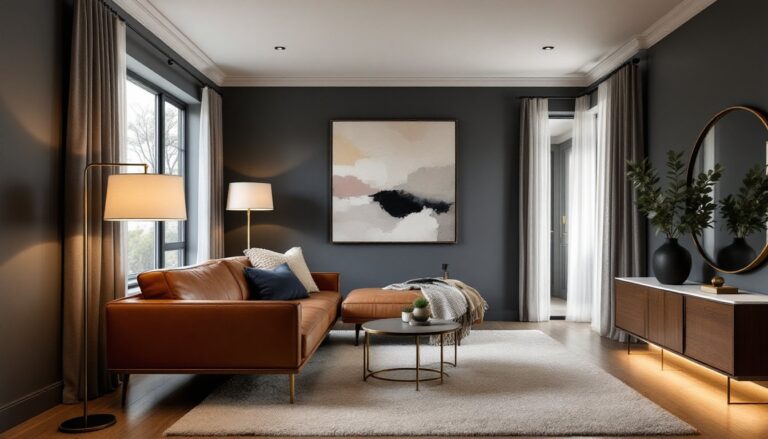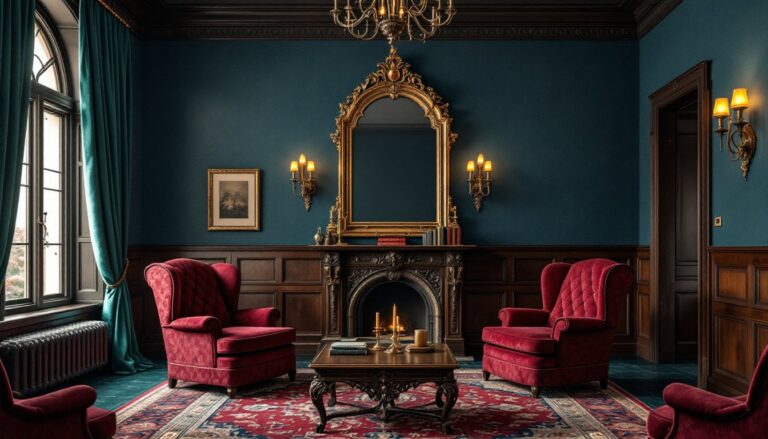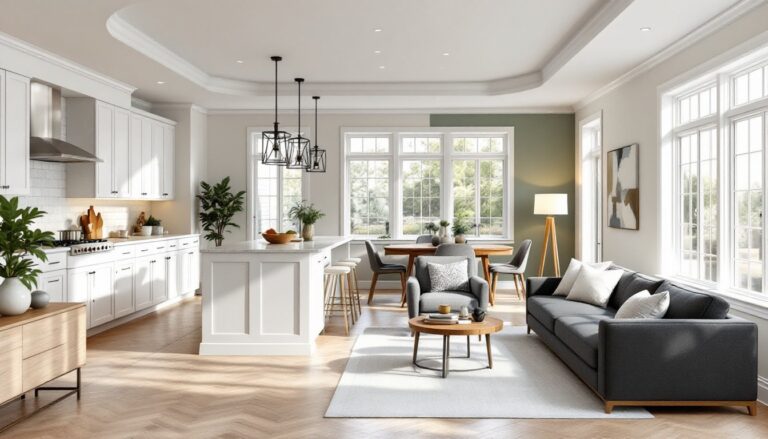
Picture this: gears turning, steam hissing, and a world where Victorian elegance meets futuristic fantasy. Welcome to the mesmerizing realm of steampunk interior design. If you’ve ever wanted to turn your living space into a scene straight out of a Jules Verne novel, you’re in for a treat. It’s not just about old-world charm and industrial elements: it’s about creating a narrative that’s as rich as the coffee in your favorite café. Immerse as we unravel the gears of this imaginative style, making it as easy as winding up a pocket watch.
What Is Steampunk Interior Design?
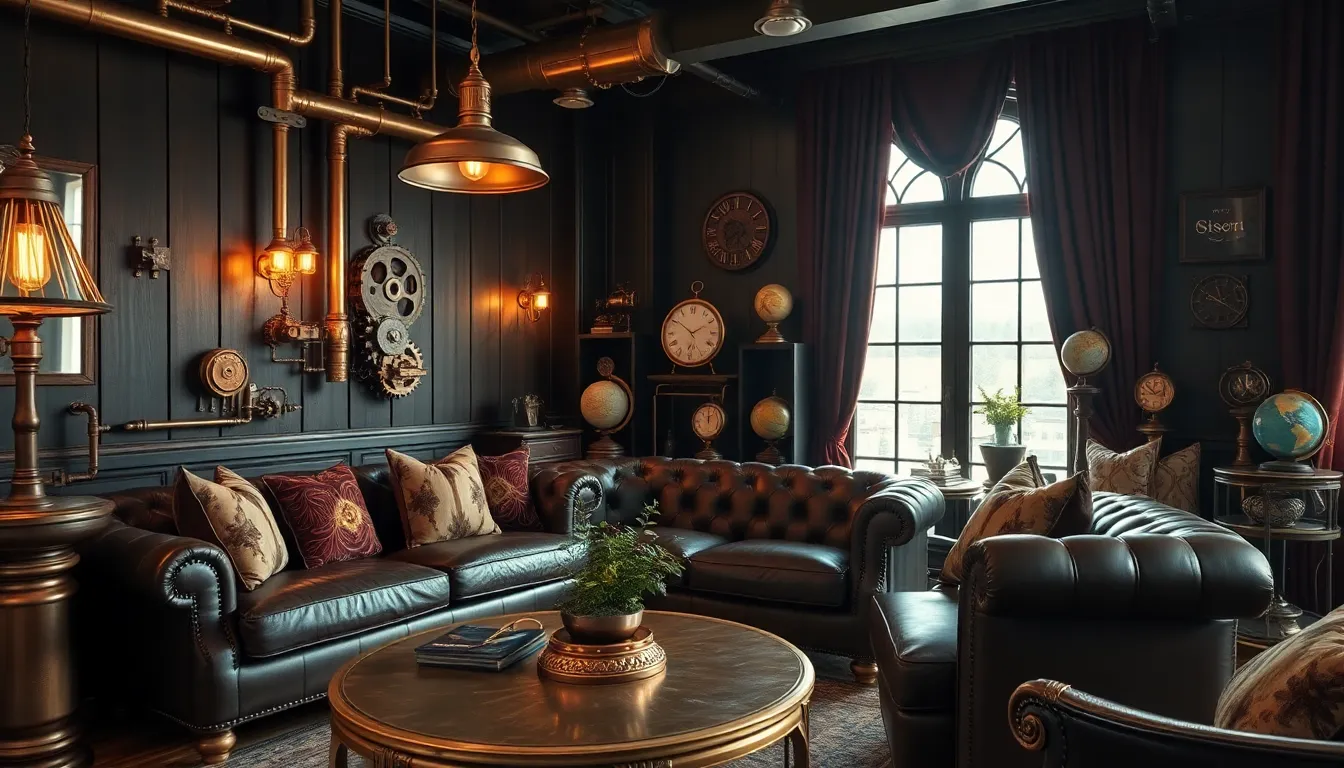
Steampunk interior design is a delightful fusion of Victorian aesthetics and retro-futuristic flair. Picture an alternative reality where the clockwork mechanisms of the 19th century collide with futuristic inventions powered by steam. This style incorporates elements of art, architecture, and engineering, creating spaces that seem both nostalgic and otherworldly.
But what on earth does that look like in practice? Imagine brass pipes décor, leather furniture, and vintage industrial lighting, all woven together to tell a story. It’s as if the past and the future have joined forces in a creative showdown, resulting in an eclectic yet cohesive design that’s both functional and fantastical.
Key Features of Steampunk Design
Color Palette and Materials
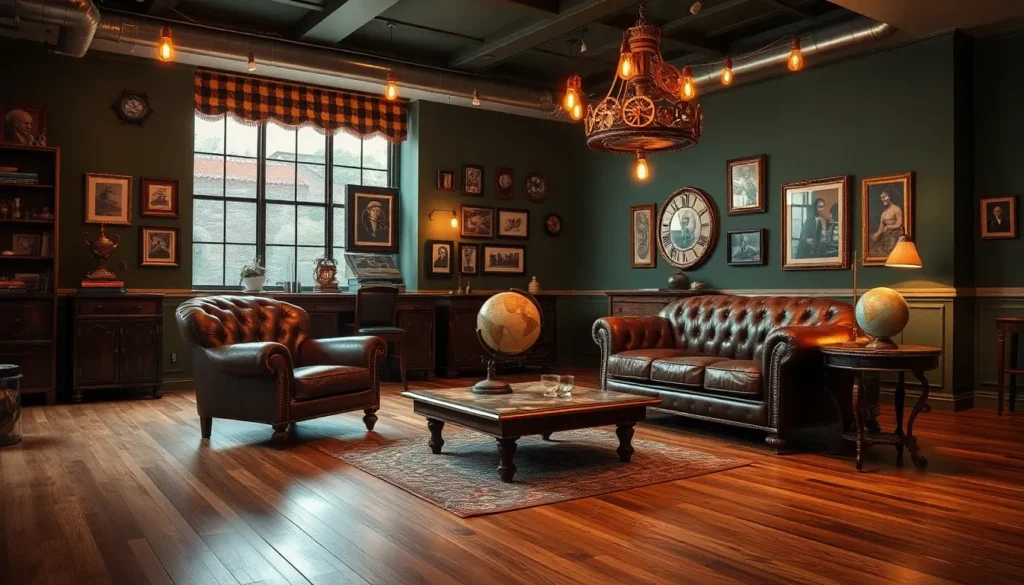
When it comes to the color palette, think deep, rich tones: dark browns, muted golds, and deep greens combine to evoke that industrial vibe. The materials play a crucial role here as well. Metal, leather, and wood are the backbone of any steampunk space. Imagine rugged leather chairs next to brass lamps and wooden tables adorned with intricate carvings.
This rich combination creates a textured ambiance that is both warm and inviting. Each piece tells a story, whether it’s a weathered trunk resurrected as a coffee table or a vintage globe that sparks wanderlust.
Furniture and Decor Elements
In the quest for authentic steampunk interiors, furniture choices are crucial. Look for antique or vintage-style furniture that incorporates metal and wood. Think industrial-style chairs, and vintage trunks, and don’t forget about decorative elements such as gears, cogs, and gadgets. The goal is to create a layered look with varying heights, textures, and shapes to engage the eye, much like living in a whimsical museum.
Lighting in Steampunk Interiors
Lighting can make or break the ambiance of a room, and in steampunk, it’s no different. Opt for warm light sources that mimic gaslight, think Edison bulbs in exposed fixtures. Incorporating industrial-style lamps with metal finishes not only enhances the vintage vibe, but also adds to the overall steampunk aesthetic.
Consider adding some unique fixtures: a chandelier crafted from repurposed materials can be a show-stopper. Picture a beautifully designed light made of gears, tubes, and glass. It’s not just light: it’s a statement piece that sparks conversation and intrigue.
Incorporating Steampunk into Your Home
Tips for Mixing Steampunk with Other Styles
Mixing steampunk elements with other design styles can create fascinating contrast and balance. Combine modern lines with vintage details, or pair minimalist furniture with intricate steampunk artifacts. The key is to maintain a cohesive look while allowing different styles to shine.
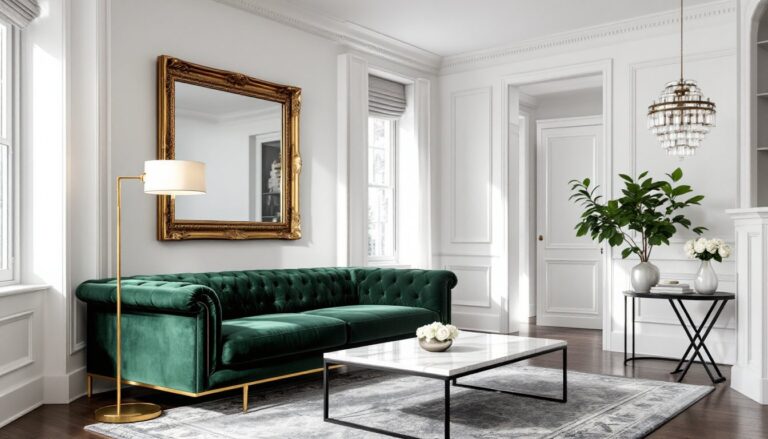
Incorporating industrial elements in more contemporary settings can yield stunning results. For instance, classic white walls can serve as a blank canvas for showcasing rich, steampunk furnishings.
Creating a Cohesive Look
To tie together your steampunk design, pay attention to the details. Use similar materials and colors throughout to maintain harmony. A recurring theme, whether it be gears, metals, or rustic wood, will create a unified feel while allowing individual pieces to stand out. Balance heavier, darker elements with lighter textures to provide visual relief.
Don’t shy away from small accessories, like vintage clocks, globes, or even paintings that echo the steampunk aesthetic. Every little element counts in creating a cohesive narrative within your space.
Steampunk and Sustainability
The conversation around sustainability is vital in today’s world. Steampunk design often emphasizes repurposing and upcycling old materials, which can strike a chord with environmentally conscious homeowners.
Reimagine old items: a neglected piece of machinery can be transformed into a stunning lamp or art piece. By using secondhand furniture or materials, homeowners can celebrate history while also preserving the planet. This blend of creativity with eco-friendly practices reflects the very spirit of steampunk: innovation rooted in tradition.