Table of Contents
ToggleMost people think interior design is just about picking throw pillows and paint swatches. But walk into a poorly designed space, bad lighting, clunky furniture flow, claustrophobic layout, and you’ll feel it instantly. Your home isn’t just a backdrop for your life: it actively shapes how you feel, how efficiently you work, and even how much your property is worth. Good interior design isn’t a luxury or an afterthought. It’s a practical framework that solves real problems, from stubborn traffic patterns to wasted square footage. Whether you’re planning a full renovation or just rethinking a single room, understanding why design matters will help you make smarter, more intentional choices.
Key Takeaways
- Interior design directly impacts mental health and well-being by reducing stress through optimized lighting, color psychology, and organized layouts that minimize visual clutter.
- Thoughtful interior design boosts daily efficiency by prioritizing functional workflows, proper furniture scale, and strategic storage solutions that make homes feel larger without adding square footage.
- A well-designed interior can increase property value by 10–15% at resale, with kitchens, bathrooms, and cohesive color palettes commanding premium pricing in competitive markets.
- Effective interior design solves spatial challenges like low ceilings and small rooms through vertical design, floating furniture, and multi-functional pieces that maximize livability.
- Good design incorporates essential safety elements including proper lighting on staircases, slip-resistant flooring, anchored furniture, and accessibility features that protect inhabitants while maintaining aesthetic appeal.
- Your home should reflect your personality and values through curated décor, functional storytelling, and a unifying design thread that creates an inviting, authentic living space.
Interior Design Directly Impacts Your Mental Health and Well-Being
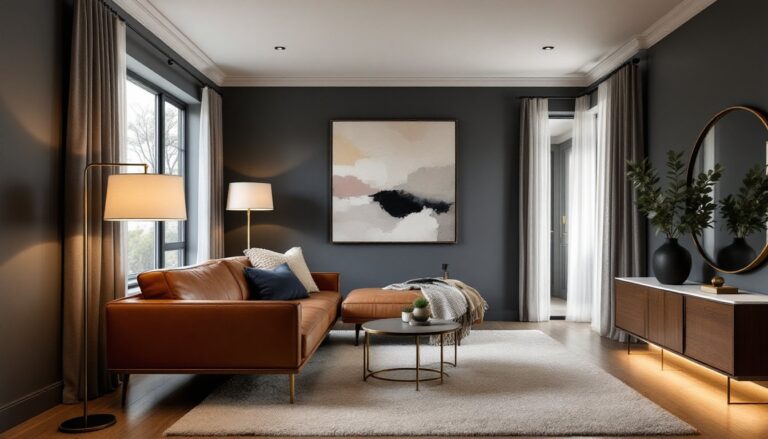
The spaces we live in don’t just house us, they influence mood, stress levels, and cognitive function. Research consistently shows that cluttered, poorly lit, or chaotic environments contribute to elevated cortisol (the stress hormone) and reduced ability to focus. Conversely, spaces with natural light, organized layouts, and thoughtful color palettes can improve sleep quality, reduce anxiety, and boost overall happiness.
This isn’t abstract theory. If you’ve ever felt instantly calmer in a room with soft, diffused lighting and uncluttered surfaces, you’ve experienced the psychological impact of design firsthand. Studies on environmental psychology reveal that factors like ceiling height, room color, and even furniture arrangement affect how we process emotions and information.
How Thoughtful Design Reduces Stress and Anxiety
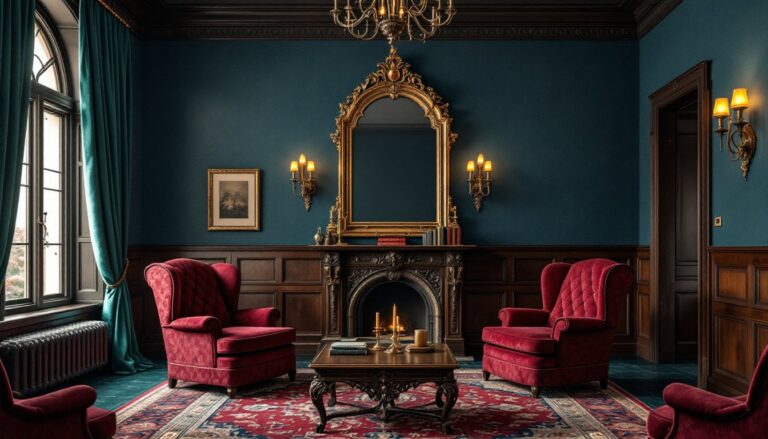
Color choice plays a measurable role. Cool tones like blues and greens are proven to lower heart rate and promote relaxation, making them ideal for bedrooms and bathrooms. Warm tones, yellows, oranges, can energize, but overuse in rest areas can disrupt sleep cycles.
Natural light is non-negotiable for mental health. Homes designed with ample window placement, skylights, or even strategically placed mirrors to bounce light reduce dependence on harsh artificial lighting, which can interfere with circadian rhythms. If you’re retrofitting an older home, consider adding a window or solar tube in dim areas, it’s structural work that may require a permit, but the payoff is significant.
Clutter management through built-in storage, open shelving with intention, and space-efficient layouts minimizes visual noise. When every object has a designated spot, your brain spends less energy processing the environment and more on the task at hand.
A Well-Designed Home Boosts Functionality and Daily Efficiency
Aesthetics matter, but a beautiful room that doesn’t work is just a good-looking obstacle. Effective interior design prioritizes workflow, traffic patterns, and task-specific zones. A kitchen with the sink, stove, and fridge arranged in a functional work triangle saves steps and frustration. A mudroom with hooks, cubbies, and a bench near the door turns chaos into routine.
Start by auditing how you actually use each room. Does your living room double as a home office? Then you need task lighting, accessible outlets (check NEC spacing requirements if adding new ones), and furniture that supports both functions without creating dead space.
Consider furniture scale and clearance. Standard walkways should be at least 36 inches wide: in high-traffic areas like hallways, aim for 42–48 inches. Dining chairs need 24–30 inches of pullback space from the table edge to avoid bottlenecks. These aren’t arbitrary numbers, they’re rooted in ergonomics and building codes (IRC Section R311 for egress, for example).
Storage is function. Built-ins, vertical shelving, and underutilized spaces (under stairs, above doorways) can reclaim dozens of square feet. If you’re adding cabinetry or shelving to load-bearing walls, consult local codes: attaching heavy units to studs (typically 16 inches on center) is essential for safety. Homes optimized for efficient daily routines feel larger and less stressful, even without adding square footage.
Interior Design Increases Your Property Value and Market Appeal
When appraisers and buyers evaluate a home, they’re not just counting bedrooms and bathrooms, they’re assessing livability, finish quality, and how well the layout meets modern expectations. A thoughtfully designed interior can add 10–15% to resale value, depending on market and scope of updates.
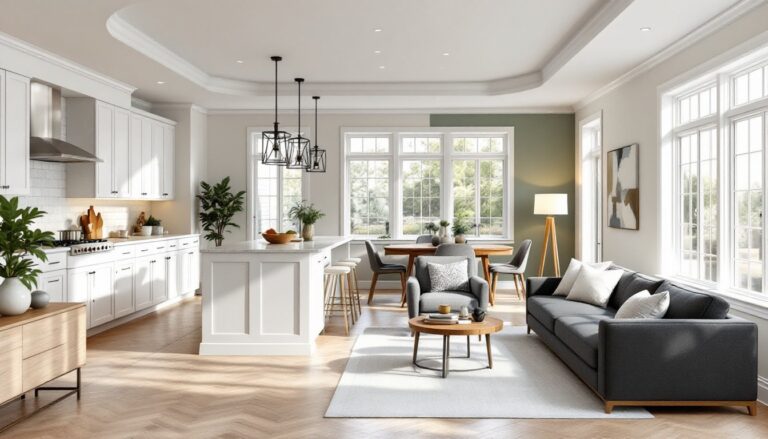
Kitchens and bathrooms offer the highest ROI when upgraded with quality materials and cohesive design. Replacing dated laminate countertops with quartz or butcher block, updating cabinet hardware, and improving lighting (recessed cans on dimmers, under-cabinet LEDs) are moderate-cost changes that signal care and modernity. Buyers notice.
Open floor plans remain in demand, but tearing down walls requires structural evaluation. If a wall is load-bearing, you’ll need an engineer, a permit, and a properly sized beam (steel I-beam or LVL laminated venous lumber) to carry the load. Non-structural partition walls are easier, but even these require drywall patching, refinishing floors where the wall sat, and ensuring electrical or plumbing isn’t embedded.
Neutral, cohesive palettes appeal to broader buyer pools. That doesn’t mean boring, it means intentional. A home with consistent flooring, trim color, and a unified color story reads as higher-end than one with room-by-room mismatched finishes. Homes with strong architectural flow and finish consistency sell faster and command premium pricing, particularly in competitive markets.
Good Design Reflects Your Personality and Tells Your Story
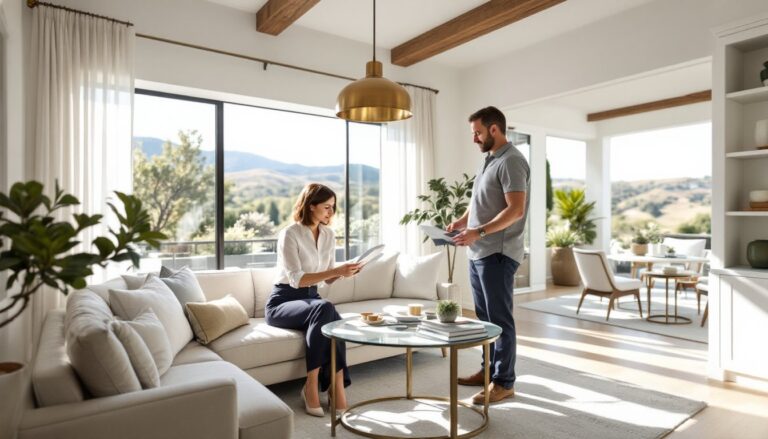
Your home should feel like you, not a showroom or a catalog spread. Interior design gives you the framework to express personality, hobbies, travel, and values in a way that’s livable and coherent.
This doesn’t mean slapping up random décor. It means curating intentionally. If you’re a reader, built-in bookshelves or a library wall isn’t indulgent, it’s functional storytelling. If you entertain, an open kitchen with bar seating and durable, cleanable surfaces (porcelain tile, sealed hardwood) makes hosting easier and more enjoyable.
Mixing styles works when there’s a unifying thread, shared color palette, repeated materials (wood tones, metals), or consistent scale. A mid-century modern sofa can coexist with industrial lighting and a vintage rug if the pieces share warmth and proportion. The alternative, matchy-matchy everything, often feels flat and impersonal.
Art, heirlooms, and collections deserve proper display. Use picture rails, gallery walls with consistent matting, or floating shelves with LED puck lights to highlight what matters. Don’t hang heavy frames on drywall alone, use wall anchors rated for the weight or mount into studs.
The most successful interiors feel collected, not decorated. When guests walk in, they should sense who lives there. Homes that embrace personalized design strategies feel more inviting and authentic than those following rigid trends.
Interior Design Maximizes Space and Solves Layout Challenges
Small spaces, awkward angles, low ceilings, narrow hallways, every home has quirks. Good design doesn’t ignore them: it works with them. Strategic planning transforms limitations into character.
Furniture arrangement dictates perceived space. Floating furniture away from walls (even 6–12 inches) can make a room feel larger by creating visual breathing room. Rugs should anchor seating groups, front legs of sofas and chairs on the rug, or all legs on for larger rooms. Undersized rugs chop up space and make everything feel smaller.
Vertical design pulls the eye up and uses overlooked real estate. Floor-to-ceiling cabinetry, tall bookshelves, and crown molding draw attention to height. In rooms with low ceilings (standard is 8 feet, but many older homes sit at 7.5 feet), avoid heavy crown and opt for simple, painted trim that blends into the ceiling plane.
Multi-functional pieces are critical in tight quarters. Ottoman storage, Murphy beds (wall-mounted: ensure studs and proper blocking), and extendable dining tables adapt to changing needs. If you’re adding built-ins or wall-mounted furniture, always secure to studs or use toggle bolts rated for the load, drywall alone won’t support weight over time.
Sightlines and flow matter. When you enter a room, your eye should travel smoothly to a focal point (fireplace, window, feature wall). Blocking pathways with oversized furniture or creating dead-end corners wastes space. Effective space planning techniques address these issues before you buy a single piece of furniture.
It Creates a Safer and More Comfortable Living Environment
Safety isn’t glamorous, but it’s foundational. Interior design isn’t just finishes and furniture, it’s also about code compliance, accessible layouts, and hazard reduction.
Lighting is a safety issue. Stairways require illumination at top and bottom landings (IRC R303.6). Bathrooms need GFCI-protected outlets within 3 feet of water sources (NEC 210.8). Task lighting in kitchens prevents knife accidents: under-cabinet LEDs or pendant lights over islands reduce shadows.
Flooring choices affect slip resistance and durability. Polished tile looks sharp but can be treacherous when wet, opt for matte or textured finishes in bathrooms, kitchens, and entryways. Transitions between flooring types (tile to hardwood, carpet to vinyl) should be smooth and secured with transition strips to prevent tripping.
Furniture stability is non-negotiable, especially in homes with kids or pets. Anchor tall dressers, bookshelves, and entertainment centers to wall studs with furniture straps. Ensure rugs have non-slip pads underneath.
Accessibility and aging-in-place considerations make homes safer for everyone. Lever-style door handles (easier than knobs), curbless showers, grab bars installed into blocking (not just drywall), and wider doorways (36 inches minimum) improve usability without sacrificing style. Homes incorporating universal design principles and practical layout improvements remain comfortable and safe as needs evolve.
Air quality ties into material selection. Low-VOC paints, formaldehyde-free cabinetry, and proper ventilation (range hoods vented to exterior, bathroom exhaust fans rated for room size) reduce toxins and moisture issues. It’s not visible design, but it directly impacts long-term health and comfort.