Table of Contents
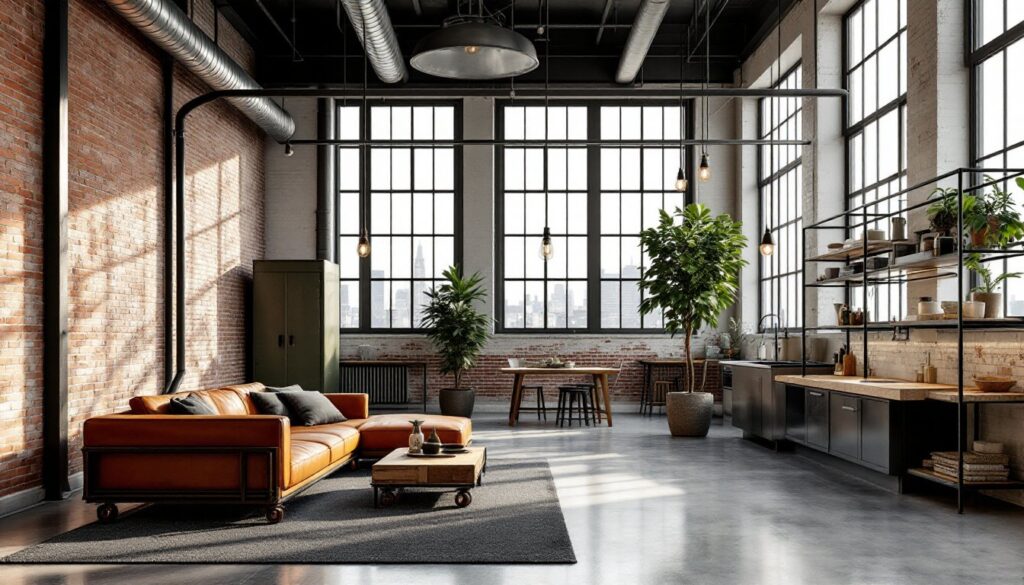
ToggleIndustrial interior design strips away the polished veneer of traditional decorating and exposes what’s usually hidden, brick, ductwork, steel beams, and concrete. Born from repurposed warehouses and loft conversions in cities like New York and London, this style celebrates raw materials, functional forms, and the beauty of unfinished spaces. It’s not about making a home look like a factory floor: it’s about borrowing the honest, utilitarian aesthetic of industrial buildings and adapting it to comfortable, livable interiors. Whether renovating an urban loft or adding edge to a suburban house, understanding the fundamentals of industrial design helps homeowners make intentional choices with materials, color, and layout.
Key Takeaways
- Industrial interior design celebrates raw, unfinished materials like exposed brick, concrete, and steel beams to create authentic, utilitarian spaces that are curated, not accidental.
- Essential materials for industrial design include exposed brick, steel framing, polished concrete, reclaimed wood, and factory-style windows with black or steel frames that serve as focal points.
- Industrial color schemes rely on neutral, subdued tones—grays, blacks, whites, and earth tones—allowing textures and materials to take center stage rather than bright accent colors.
- High-impact changes such as exposing hidden architectural elements, installing open shelving with steel brackets, and swapping fixtures to Edison-bulb pendants and matte black hardware can establish the industrial aesthetic without major renovations.
- Balancing industrial design with warmth through layered textiles, wood tones, controlled lighting, and greenery prevents the space from feeling cold and creates a livable, comfortable home.
Understanding Industrial Interior Design
Industrial interior design emerged in the mid-20th century when artists and creatives began converting abandoned factories and warehouses into living spaces. These buildings offered high ceilings, open floor plans, and architectural features, exposed brick, steel columns, large windows, that couldn’t be replicated in conventional homes. Rather than conceal these elements, early adopters highlighted them, creating a new aesthetic rooted in authenticity and utility.
Today, industrial style is less about the building type and more about the design language. It emphasizes exposed structural elements, unfinished surfaces, and a utilitarian approach to furnishings. Think open ductwork left visible instead of boxed in with drywall, or original hardwood floors with distressed patching rather than pristine refinishing.
This isn’t a style that hides imperfections, it showcases them. Homeowners drawn to industrial design often appreciate the honesty of materials: metal that rusts, wood that ages, concrete that cracks. The aesthetic works particularly well in open-concept spaces where structural components like beams and columns can serve as focal points rather than obstacles. It pairs naturally with modern design philosophies that value form and function.
For DIYers, industrial style offers flexibility. It doesn’t demand perfection or expensive finishes. A salvaged factory cart can become a coffee table. Galvanized pipe can replace traditional closet rods. The key is understanding the difference between deliberate rawness and neglect, industrial design is curated, not accidental.
Key Characteristics of Industrial Style
Industrial interiors share several defining traits that set them apart from farmhouse, mid-century, or traditional styles. Recognizing these characteristics helps when planning a renovation or selecting furnishings.
Essential Materials and Textures
Industrial design relies heavily on raw, unfinished materials. Exposed brick is a cornerstone, whether original masonry or thin brick veneer installed over drywall. Authentic brick adds texture and warmth, but it requires sealing to prevent dust and mortar deterioration. Use a breathable masonry sealer, not paint, to maintain the natural look.
Steel and metal appear throughout industrial spaces: steel-framed windows, metal shelving units, cast iron radiators, and steel I-beams. When incorporating metal elements, consider whether they’ll be load-bearing or decorative. Structural steel work requires engineering approval and permits in most jurisdictions: decorative beams or metal cladding over wood framing does not.
Concrete shows up as polished floors, countertops, or poured accent walls. Polished concrete floors are durable and low-maintenance but require professional installation, proper substrate prep, vapor barriers, and multi-stage grinding and sealing. DIYers can tackle concrete countertops using kits, but expect a learning curve with mixing, pouring, and finishing.
Reclaimed wood adds warmth and contrast to harder materials. Salvaged lumber from old barns, factories, or pallets works well for accent walls, shelving, or furniture. Inspect reclaimed wood for nails, rot, and insect damage before use. Kiln-drying or heat treatment kills pests: a metal detector helps locate hidden fasteners before running boards through a planer.
Glass and factory-style windows with black or steel frames bring in light while reinforcing the industrial look. Steel-framed windows are expensive and often custom-fabricated, but aluminum alternatives with powder-coated black finishes offer a budget-friendly substitute.
Color Palettes That Define the Look
Industrial color schemes skew neutral and subdued. Grays, blacks, whites, and earth tones dominate, allowing materials and textures to take center stage. Walls are often left as bare brick, concrete, or painted in shades like Benjamin Moore’s Kendall Charcoal or Sherwin-Williams’ Repose Gray.
Accent colors, when used, are muted: deep navy, charcoal, rust, or aged leather tones. Bright colors feel out of place unless used sparingly in artwork or textiles. The goal is to let the natural patina of materials, rusted metal, weathered wood, aged brick, provide visual interest.
When painting, choose flat or matte finishes for walls to avoid reflective sheen that softens the raw aesthetic. For trim or metal elements, satin or semi-gloss works if a subtle contrast is desired, but many industrial spaces skip trim entirely or use minimal black-painted steel angle iron as a modern alternative to traditional baseboards.
How to Incorporate Industrial Design in Your Home
Adding industrial elements doesn’t require a full gut renovation. Start with high-impact changes that establish the aesthetic without major structural work.
Expose what’s already there. If walls or ceilings hide brick, beams, or ductwork, consider selective demolition. Removing drywall to expose brick is straightforward but messy, wear a respirator rated for silica dust, safety goggles, and gloves. Once exposed, clean brick with a wire brush and seal it. Exposing HVAC ductwork or plumbing requires evaluating whether the systems are visually acceptable or need upgrades. Rusty, dented ducts can be replaced with clean galvanized or painted black for a more intentional look.
Install open shelving. Replace upper kitchen cabinets with steel bracket shelving or DIY pipe shelving using black iron pipe and flanges. A typical 36-inch shelf uses two ½-inch or ¾-inch floor flanges screwed into studs, with threaded pipe nipples and elbows supporting reclaimed wood planks. Sand and seal wood with polyurethane or Danish oil. This approach suits home decor transformations where function and style intersect.
Swap light fixtures. Edison-bulb pendants, cage lights, and metal barn-style fixtures are industrial staples. Many use E26 medium base sockets and can replace standard fixtures without rewiring. If installing multiple pendants over an island or dining table, ensure the electrical box is rated for the combined weight and use appropriate strain relief. Dimmer switches should be LED-compatible if using LED Edison bulbs.
Update hardware and fixtures. Replace cabinet pulls with oil-rubbed bronze or matte black bar pulls. Swap out door hinges and knobs for heavy-duty industrial-style alternatives. In bathrooms, choose matte black or brushed nickel faucets with exposed piping or wall-mounted designs. These small changes reinforce the aesthetic without major expense.
Add furniture with industrial roots. Look for pieces made from steel, cast iron, and reclaimed wood. Wheeled factory carts, metal lockers repurposed as storage, and workbench-style dining tables fit naturally. When buying vintage or salvaged items, inspect welds and joints, older pieces may need reinforcement. Steel furniture can be refinished with rust-neutralizing primer and spray paint if surface rust is an issue.
For spaces requiring personalized design touches, industrial style allows room for creative expression while maintaining a cohesive look.
Industrial Design Across Different Rooms
Industrial style adapts to every room, but execution varies based on function and moisture exposure.
Living rooms benefit from large, open layouts. If renovating, consider removing non-load-bearing walls to create open sight lines. Consult a structural engineer before removing any wall, even non-load-bearing walls may contain plumbing, electrical, or HVAC runs. Use concrete or stained concrete floors, or install wide-plank engineered hardwood in dark or weathered finishes. Pair with a leather sofa, metal-framed coffee table, and industrial-style shelving.
Kitchens are ideal for industrial elements. Concrete or butcher-block countertops replace granite or quartz. Stainless steel appliances fit the aesthetic naturally. Open shelving made from reclaimed wood and pipe brackets replaces upper cabinets, but plan for adequate storage elsewhere, most homeowners need a mix of open and closed storage. Subway tile backsplashes in white or gray with dark grout lines reinforce the utilitarian vibe. Under-cabinet lighting should be functional: use LED strip lights or puck lights, avoiding ornate fixtures. Consider interior design strategies that balance style with practicality in high-use spaces.
Bedrooms require a softer touch. Use an upholstered headboard or reclaimed wood to add warmth. Metal-framed beds with simple lines work well. Layer textiles, linen duvet covers, wool throws, and layered rugs, to balance hard surfaces. Avoid overloading the room with steel and concrete: one or two industrial elements (a metal nightstand, a factory-style lamp) are enough.
Bathrooms handle moisture exposure differently than other rooms. Concrete countertops must be properly sealed with a penetrating sealer to resist water and staining. Steel or iron fixtures should be powder-coated or made from stainless steel to prevent rust. Subway tile, hexagonal mosaics, or large-format concrete-look porcelain tile works for walls and floors. Floating vanities made from reclaimed wood with metal brackets maintain the industrial feel while keeping plumbing accessible. Many renovations inspired by hotel interior designs incorporate these elements successfully.
Balancing Industrial Elements with Warmth and Comfort
Raw steel, brick, and concrete can feel cold and uninviting without deliberate softening. Industrial design works best when balanced with warm textures and thoughtful lighting.
Layer textiles generously. Wool rugs, leather seating, linen curtains, and knit throws add tactile warmth. Choose natural fibers over synthetics, they age better and complement raw materials. Area rugs help define zones in open-concept spaces and absorb sound in rooms with hard flooring and minimal soft furnishings.
Introduce wood tones. Reclaimed wood, live-edge tables, and butcher-block counters bring organic warmth. Mixing wood species is acceptable in industrial spaces, mismatched tones reinforce the salvaged, eclectic feel. Just avoid overly glossy finishes: stick with matte oils or waxes that let wood grain show.
Control lighting carefully. Industrial spaces often have high ceilings and large windows, which can create harsh contrasts. Use a mix of ambient, task, and accent lighting. Dimmer switches offer flexibility. Warm white bulbs (2700K-3000K) soften the space more than cool daylight bulbs. Edison-style bulbs provide ambiance but limited lumens, supplement with additional task lighting in kitchens and work areas.
Add greenery. Plants contrast beautifully with metal and concrete. Large potted plants like fiddle leaf figs or rubber plants fill vertical space in high-ceilinged rooms. Trailing plants on open shelving soften steel brackets. Use simple containers, galvanized metal, concrete planters, or ceramic in neutral tones.
Mix in personal items. Artwork, books, and personal collections prevent the space from feeling sterile. Industrial design benefits from curation, not clutter, but lived-in touches make the space feel human. Black-and-white photography, vintage signage, or abstract art in muted tones fit well. For further inspiration on blending styles, exploring design project galleries offers practical examples.
By balancing hard and soft, industrial design becomes livable. The aesthetic celebrates raw materials and utility, but comfort and warmth keep it from feeling like a showroom. Whether tackling a full renovation or adding a few key pieces, the goal is a space that feels both intentional and authentic.