Table of Contents
ToggleInterior design events aren’t just for professionals anymore. Whether you’re planning a kitchen remodel, refreshing your living room, or just trying to figure out what “2026 transitional” actually means, these gatherings offer a hands-on way to see materials, meet vendors, and catch trends before they hit big-box stores. Unlike scrolling through curated feeds, attending an event lets you touch fabric samples, compare finishes side-by-side, and ask the folks who actually manufacture countertops whether that quartz can handle your toddler’s marker collection. For DIYers and homeowners, it’s a shortcut to better decisions and fewer returns.
Key Takeaways
- Interior design events are open to homeowners and DIYers, offering hands-on access to materials, vendor expertise, and upcoming product launches before they reach retail stores.
- Direct access to manufacturers and product specialists at interior design events allows you to ask technical questions about performance, installation, and maintenance that beat online research.
- Trade shows, design weeks, and conferences each serve different purposes: trade shows excel at comparison shopping, design weeks inspire aesthetic exploration, and conferences provide educational workshops on practical skills.
- Preparation maximizes your event experience—review exhibitor lists, set specific goals, collect samples strategically, and ask detailed technical questions about installation requirements and warranties.
- Post-event organization within 48 hours, along with direct vendor contact for regional pricing and lead times, ensures you integrate discoveries into your project plan before purchasing.
Why Attend Interior Design Events as a Homeowner or DIY Enthusiast
Most folks assume design events are exclusive industry-only affairs with velvet ropes and NDA handshakes. Reality? Many are open to the public, and they’re goldmines for anyone tackling a home project.
First, you’ll see product launches before they’re widely available. Manufacturers debut new paint lines, tile collections, and smart home integrations at these shows. That means you can spec materials for your bathroom renovation in March that won’t hit Home Depot until June, and you’ll know which ones actually perform versus which ones just photograph well.
Second, direct access to manufacturers and suppliers beats online research every time. You can ask whether that luxury vinyl plank will hold up in a high-traffic mudroom, whether a specific grout works with radiant floor heating, or how a cabinet finish responds to kitchen grease. These aren’t customer service reps reading scripts: they’re product specialists who know the technical specs.
Third, continuing education sessions and workshops often cover practical skills. You might catch a demo on installing peel-and-stick backsplash without bubbles, selecting the right sheen for trim paint, or understanding nominal versus actual dimensions when planning built-ins. Some events offer CE-accredited sessions open to attendees, even if you’re not earning credits, the content is solid.
Finally, these events showcase design trends in context. Instead of guessing whether terrazzo is still relevant or if warm minimalism is a real thing, you’ll see how designers are actually using materials in 2026. That helps you make choices that won’t feel dated in eighteen months.
Types of Interior Design Events You Can Attend
Not all design events serve the same purpose. Knowing the format helps you pick the right ones for your project phase and interest level.
Trade Shows and Expos
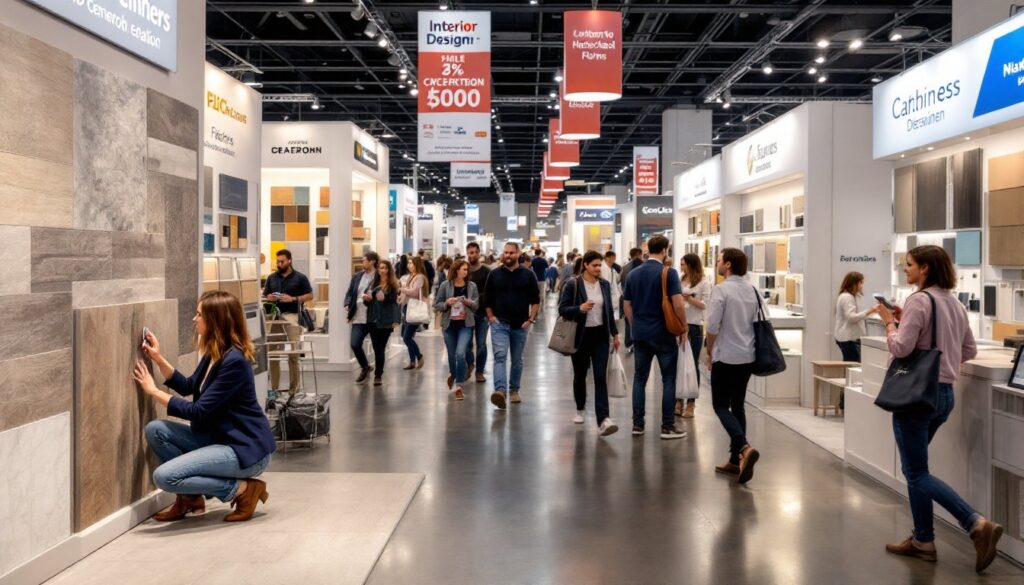
These are the workhorses of the industry. Trade shows like the International Contemporary Furniture Fair (ICFF), High Point Market, or regional home and garden expos gather hundreds of vendors under one roof. Expect booths showcasing everything from cabinet hardware to whole-home HVAC systems.
For DIYers, the value is in comparison shopping. You can see six different engineered hardwood brands in twenty minutes, compare warranties, and collect samples. Many exhibitors offer show-only pricing or direct-to-consumer contacts that bypass retail markups.
What to bring: Comfortable shoes (concrete floors, miles of aisles), a tote for samples and literature, a tape measure, and your project measurements. Vendors will ask square footage, room dimensions, and substrate details, have answers ready.
Pro tip: Some trade shows require industry credentials for entry, but many have public days or companion consumer expos. Check registration requirements early. If an event is trade-only, look for designer-guest passes: some exhibitors offer them to serious renovators.
Interior design conferences also fall into this category, though they skew more educational. Events often feature keynote speakers, panel discussions on sustainability or smart home integration, and breakout sessions on specific techniques. While interior design conference agendas may emphasize professional development, workshops on material selection, color theory, or space planning translate directly to home projects.
Design Weeks and Festival Events
Design weeks, like NYCxDesign, London Design Festival, or regional iterations, are less transactional, more experiential. They’re scattered across a city, featuring showroom open houses, pop-up installations, and panel discussions.
These events emphasize inspiration and context over product catalogs. You’ll see how a furniture maker approaches sustainable sourcing, how a tile company collaborates with artists, or how emerging designers interpret current movements like biophilic design or adaptive reuse.
Best for: Early-stage planning, mood board development, or exploring aesthetics before committing to a style. If you’re debating between mid-century modern and Scandinavian minimalism for your living room refresh, a design week clarifies the differences in real spaces.
Accessibility: Most design week events are free or low-cost, though popular installations may require timed entry reservations. Programming often includes evening hours for working folks.
Some design weeks also incorporate maker markets or artisan fairs, where you can commission custom work, think hand-forged cabinet pulls, bespoke light fixtures, or one-off furniture pieces. Prices vary wildly, but you’re paying for originality and craftsmanship, not mass production.
How to Find Interior Design Events Near You
Tracking down events doesn’t require insider connections. Start with these approaches:
Industry association calendars: Organizations like the American Society of Interior Designers (ASID) or International Interior Design Association (IIDA) maintain public event listings. Even if you’re not a member, their calendars often include expos, markets, and open-to-public programming.
Trade publication event pages: Platforms like Homedit and Elle Decor publish annual event roundups and design week coverage. These often include ticketing links, exhibitor previews, and first-timer tips.
Local design centers and showrooms: Many cities have design districts where showrooms cluster. These often host seasonal open houses, product launches, or “to-the-trade” days that welcome accompanied consumers (bring a designer friend or hire one for a consultation day). Sign up for mailing lists, you’ll get early notice.
Home improvement retailers: Big-box stores and regional lumber yards sometimes sponsor or co-host expos focused on DIY audiences. These tilt toward practical applications, how to tile a shower, select the right insulation, or plan a deck, with product vendors on hand.
Social media and Eventbrite: Search terms like “interior design conference,” “home design expo,” or “[your city] design week” pull up both major events and smaller workshops. Follow local designers, architects, and design-build firms: they often share events they’re attending or speaking at.
Timing: Major markets and trade shows run on predictable schedules, spring and fall, typically. Design weeks cluster around established art or fashion events. Mark your calendar a year out if you’re planning a renovation timeline: attending an event six months before demo day gives you time to order materials and avoid rush fees.
Making the Most of Your Interior Design Event Experience
Walking an expo floor without a plan is like going to a lumberyard without a cut list, you’ll waste time and miss what you need.
Pre-event prep:
- Review the exhibitor list (usually posted online 2-4 weeks ahead). Flag must-see vendors based on your project scope. If you’re redoing a bathroom, prioritize tile, fixture, and lighting booths.
- Set specific goals. “Find three countertop options under $60/sq ft” beats “look at kitchens.” Bring measurements, photos of your existing space, and a list of questions.
- Download the event app if available. Most large shows offer floor maps, exhibitor info, and session schedules. You can bookmark booths and set reminders for demos.
On-site strategy:
- Hit priority booths early. Crowds thicken by midday: exhibitors are freshest and most generous with time in the first two hours.
- Collect smartly. Don’t grab every brochure, snap photos of booth numbers and key products, then request digital catalogs via email. Do take physical samples of anything you’re seriously considering (paint chips, fabric swatches, tile pieces). Label them immediately with booth number and product name.
- Ask technical questions. Inquire about installation requirements (substrate prep, adhesive type, acclimation time), maintenance (sealing frequency, cleaning products), and warranties. If a product seems too easy, it probably has caveats.
- Attend demos and workshops. Many offer practical takeaways, how to cut crown molding for inside corners, which primer blocks tannin bleed, or whether peel-and-stick wallpaper actually sticks to textured drywall. Sessions are usually 30-45 minutes: worth the time if the topic aligns with your project.
Safety and realism check:
If a vendor claims a finish is “DIY-friendly,” ask whether that assumes prior experience. Some “easy” installs require specialty tools (like a wet saw for large-format tile) or two people (drywall sheets, cabinet mounting). If the product is structural or code-related, load-bearing beams, electrical panels, gas line materials, confirm whether installation requires a licensed contractor in your jurisdiction. Exhibitors sometimes oversimplify to make a sale.
Post-event follow-up:
- Organize samples and notes within 48 hours while details are fresh. Group by room or project phase. Cross-reference pricing and lead times.
- Verify availability and pricing. Show specials may not apply to your region, or lead times might extend if you’re ordering custom dimensions. Contact vendors directly with your zip code and project specs for accurate quotes.
- Integrate learnings into your project plan. If you discovered a minimalist design approach that fits your aesthetic, adjust your mood board and material list accordingly.
Many home decor design decisions benefit from seeing materials in person rather than relying on digital renderings, and events compress weeks of research into a single day.
Conclusion
Design events bridge the gap between Pinterest boards and actual construction. They let you test-drive trends, vet products, and build a network of suppliers before you commit to a purchase order. Whether you’re hunting for the perfect subway tile or trying to understand why everyone’s suddenly talking about lime wash, spending a Saturday at an expo beats a month of online rabbit holes. Bring a tape measure, keep your project scope in focus, and don’t be shy about asking whether that “hand-troweled Venetian plaster” requires a pro or just patience.