Table of Contents
ToggleHawaiian interior design brings the warmth, natural beauty, and relaxed spirit of the islands into living spaces without requiring a plane ticket. This style isn’t about tiki torches and fake grass skirts, it’s a sophisticated approach rooted in authentic island architecture, local materials, and a deep connection to nature. Whether renovating an entire home or refreshing a single room, understanding the core principles helps create spaces that feel genuinely tropical rather than theme-park kitsch. Done right, Hawaiian style balances comfort with craftsmanship, making any climate feel like permanent vacation.
Key Takeaways
- Hawaiian interior design emphasizes open floor plans, natural ventilation, and large windows that blur boundaries between indoor and outdoor spaces, creating authentic lānai-inspired living areas.
- Authentic materials like koa wood, bamboo, and natural stone are essential to the style—genuine quality pieces outperform cheap synthetic alternatives that deteriorate quickly and lack visual authenticity.
- A sophisticated Hawaiian color palette draws from island landscapes using warm whites, soft earth tones, and natural accent colors like deep ocean blues and tropical greens, avoiding the bright, saturated colors of generic tropical decor.
- Common design mistakes include over-theming with tiki bars and plastic decorations, ignoring climate realities when adapting to mainland homes, and blocking natural light with heavy drapery—true Hawaiian style is subtle and climate-smart.
- Essential furnishings include rattan and wicker pieces, traditional Hawaiian textiles, living plants positioned near windows, and naturally-sourced lighting fixtures that provide warm, diffused illumination without harsh overheads.
- Hawaiian interior design must be adapted thoughtfully to your climate and architecture—adding practical insulation and heating for cold climates while maintaining the aesthetic principles of connection to nature and open-plan flow.
What Is Hawaiian Interior Design Style?
Hawaiian interior design draws from the indigenous culture of the Hawaiian Islands, blending Polynesian traditions with influences from Asian, American, and European settlers who arrived over centuries. The result is a distinct aesthetic that prioritizes indoor-outdoor living, natural ventilation, and materials sourced directly from the island environment.
At its core, this style emphasizes lānai living, the Hawaiian term for a porch or veranda that serves as an extension of interior space. Traditional Hawaiian homes featured open floor plans with minimal barriers between rooms and the outdoors, a design born from the temperate climate and cultural values emphasizing connection to land (ʻāina) and ocean (kai).
Modern Hawaiian interiors maintain these principles while incorporating contemporary comforts. Large sliding doors, clerestory windows for cross-ventilation, and covered outdoor spaces are architectural hallmarks. The aesthetic avoids clutter and heavy drapery, instead favoring clean lines that let natural light and trade winds flow through rooms. This isn’t a style that works well in windowless basements or cramped apartments, it needs breathing room and access to natural elements.
Key Elements of Hawaiian Interior Design
Several defining characteristics set Hawaiian interiors apart from generic tropical or coastal styles. These elements work together to create authenticity rather than imitation.
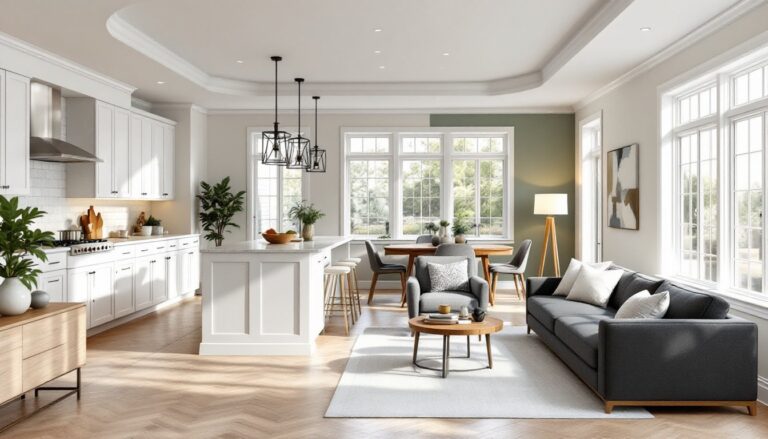
Open floor plans remain essential. Removing non-load-bearing walls between kitchen, dining, and living areas mimics traditional Hawaiian architecture. Before demolishing any wall, consult local building codes and consider hiring a structural engineer to identify load-bearing elements, knocking out the wrong wall can compromise the entire structure and requires costly remediation.
Natural ventilation takes priority over air conditioning when climate permits. Position furniture to encourage airflow from windows and doors. Ceiling fans with woven rattan or koa wood blades supplement breezes without the energy draw of HVAC systems. In mainland climates with colder winters, this principle adapts through seasonal adjustments, open during warm months, sealed and insulated when temperatures drop.
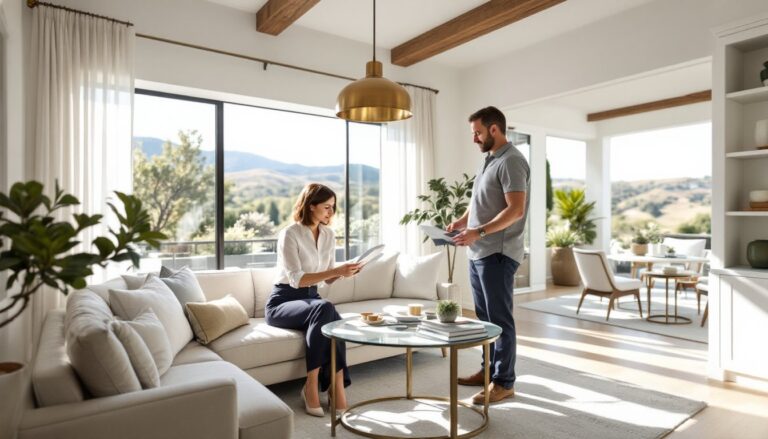
Large windows and French or sliding glass doors dissolve boundaries between indoors and outdoors. Standard residential sliding doors measure 6 feet wide by 6 feet 8 inches tall, but Hawaiian-inspired designs often use 8-foot or 10-foot openings to maximize light and views. Installing oversized doors requires header reinforcement and may need building permits depending on jurisdiction.
Natural Materials and Textures
Authentic Hawaiian design relies heavily on locally-sourced natural materials, or close approximations when building outside the islands. Koa wood, a native Hawaiian hardwood with rich reddish-brown grain, appears in flooring, cabinetry, and furniture. It’s expensive and increasingly rare, so many designers substitute with similar-looking alternatives like acacia or mahogany for budget-conscious projects.
Bamboo serves multiple functions: flooring, wall panels, furniture frames, and decorative accents. Strand-woven bamboo flooring rates harder than red oak (3000+ on the Janka scale vs. 1290) and handles moisture better than traditional hardwoods, making it practical for humid climates or coastal areas.
Stone and lava rock bring volcanic island geology indoors. Black basalt tiles work well for flooring or accent walls, while river rock can line indoor water features or fireplace surrounds. These materials add thermal mass that helps regulate indoor temperatures naturally.
Textiles should emphasize natural fibers: linen, cotton, jute, and sisal. Avoid synthetic fabrics that trap heat and feel plasticky. Area rugs made from woven sea grass or jute define spaces in open floor plans while maintaining the organic aesthetic. These materials wear well in high-traffic areas but can be rough underfoot, layering a softer cotton rug over jute provides comfort without sacrificing style.
Tropical Color Palettes That Bring the Islands Home
Hawaiian color schemes draw directly from island landscapes: ocean blues, volcanic blacks, lush greens, and the warm earth tones of sand and wood. The palette skews natural and muted rather than the bright, saturated colors often associated with generic tropical decor.
Base colors should anchor the palette: warm whites (think ivory or cream rather than stark white), soft beiges, and light taupes for walls and large surfaces. These neutrals reflect natural light while providing a calm backdrop for bolder accents. For paint, brands like Benjamin Moore or Sherwin-Williams offer dozens of warm white options, test samples on actual walls since lighting dramatically affects how colors read in space. One gallon of quality interior paint typically covers 350-400 square feet with proper surface prep.
Accent colors introduce the islands’ natural vibrancy: deep ocean blues (navy to turquoise), tropical greens (from sage to deep palm frond), and coral or hibiscus pinks used sparingly. These work best in throw pillows, artwork, and small furniture pieces rather than entire walls. Many designers recommend choosing accent colors that tie to specific natural elements, matching the exact blue of shallow reef water or the green of ti leaves.
Wood tones provide warm contrast against cooler blues and greens. Medium to dark woods like koa, teak, or walnut ground spaces and prevent the color scheme from feeling washed out. Mixing wood tones is acceptable in Hawaiian design, vintage pieces in varying finishes add character and tell stories of collected rather than purchased-all-at-once interiors.
Black accents through lava rock features, iron hardware, or dark-stained wood reference volcanic origins. Use black sparingly as grounding elements rather than dominant colors, too much creates a heavy, closed-in feeling that contradicts the style’s airy philosophy.
How to Incorporate Hawaiian Style Into Different Rooms
Adapting Hawaiian principles to specific rooms requires understanding each space’s function while maintaining cohesive design language throughout the home.
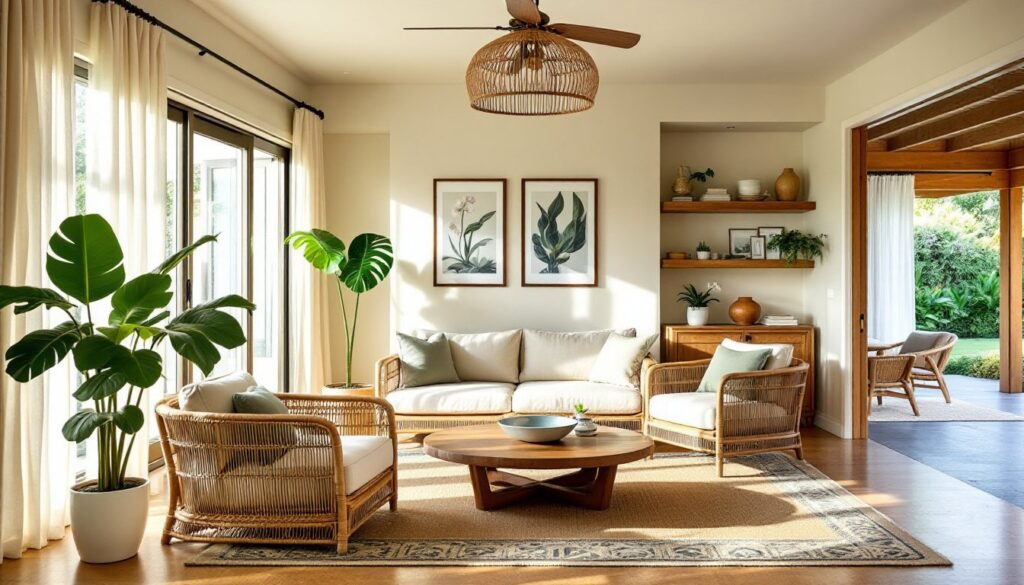
Living rooms should feel like indoor lānai spaces. Arrange seating to face windows or outdoor views rather than walls or televisions. Low-profile furniture with clean lines and natural upholstery (linen, cotton canvas) keeps sightlines open. Avoid overstuffed sectionals that block flow, opt for separate sofas and chairs that can be rearranged. Coffee tables made from reclaimed wood or woven rattan add organic texture without visual weight.
Kitchens benefit from open shelving displaying natural ceramics and glassware. Replace upper cabinets with floating shelves made from thick wood planks (minimum 2-inch nominal thickness for structural integrity when properly anchored to studs). If keeping upper cabinets, consider glass-front doors or removing doors entirely for an open feel. Countertops in soapstone, honed granite, or butcher block align better with Hawaiian aesthetics than glossy synthetics. Install under-cabinet lighting to maintain brightness without harsh overhead fixtures.
Bedrooms should prioritize natural light and ventilation. Swap heavy curtains for bamboo blinds or sheer linen panels that diffuse light without blocking it completely. Platform beds with low profiles and natural wood frames suit the style better than ornate headboards. Mosquito netting draped from ceiling mounts adds authentic tropical character while serving a practical function in warm climates, it also creates a romantic focal point.
Bathrooms can incorporate spa-inspired design elements using stone tile, teak shower benches, and plants that thrive in humidity (ferns, orchids, bamboo). Walk-in showers with pebble-stone floors reference stream beds while providing natural drainage and slip resistance. These installations require proper waterproofing, use a mortar bed with integrated slope (minimum 1/4 inch per foot toward drain) and a quality membrane like RedGard or Schluter-Kerdi to prevent water damage to subfloor.
Essential Decor and Furnishings for an Authentic Look
Furnishings should balance comfort with craftsmanship, avoiding mass-produced pieces that undermine the style’s handcrafted roots.
Furniture made from rattan, wicker, and bamboo forms the foundation. Look for quality construction with wrapped joints and smooth finishes, cheap wicker splinters and falls apart quickly. Vintage pieces from the 1960s-70s Hawaiian tourism boom often feature better craftsmanship than contemporary imports. For upholstered pieces, choose washable slipcovers in natural fabrics since coastal humidity and salt air accelerate wear.
Textiles and fabrics provide pattern and color without overwhelming spaces. Traditional Hawaiian quilts with bold, symmetrical designs make striking wall hangings or bed covers. Tapa cloth (or modern reproductions) adds cultural authenticity, this bark cloth features geometric patterns created through stamping and natural dyes. Throw pillows in tropical prints should use block-printed or batik techniques rather than photographic reproductions for a more sophisticated appearance.
Artwork and wall decor should reference island culture thoughtfully. Vintage surf photography, botanical prints of native plants (hibiscus, bird of paradise, plumeria), and traditional Hawaiian implements displayed as art all work well. Avoid generic “beach signs” or kitschy mermaid decorations that cheapen the aesthetic. Some homeowners incorporate culturally-inspired art from local artisans to support craftsmanship and ensure authenticity.
Plants aren’t optional, they’re essential. Monstera deliciosa, bird of paradise, fiddle-leaf figs, and various palms bring literal nature indoors. These aren’t low-maintenance plants: they require appropriate light, regular watering, and occasional pruning. Position large plants near windows where they’ll thrive while creating natural privacy screens. Smaller potted orchids and bromeliads work on tables and shelves. Use natural fiber baskets or ceramic pots in earth tones rather than plastic containers.
Lighting fixtures should use natural materials and provide warm, diffused light. Pendants made from woven rattan, bamboo, or capiz shells work over dining tables and kitchen islands. Install dimmer switches (basic ones cost $15-25 and take 20 minutes to replace if you’re comfortable with basic electrical work, shut off power at the breaker first). Avoid harsh overhead lights: instead use multiple sources at different heights to create ambiance.
Common Mistakes to Avoid When Styling Hawaiian Interiors
Several missteps can turn authentic island style into tacky imitation. Being aware of these pitfalls helps maintain design integrity.
Overdoing theme-park tropics ranks as the most common error. Tiki bars, grass skirts, plastic leis, and “Aloha” signs in every room create a costume rather than a home. True Hawaiian design is subtle and sophisticated, it references culture and environment without screaming tourist trap. One or two cultural artifacts displayed respectfully carry more impact than a dozen mass-produced decorations.
Ignoring climate realities dooms mainland interpretations. Hawaiian architecture evolved for year-round warmth and ocean breezes. Attempting similar open-plan designs in Minnesota without proper insulation and heating creates uncomfortable, expensive failures. Adapt principles to your climate, keep the aesthetic and material choices while adding practical elements like double-pane windows and adequate insulation (minimum R-13 in walls, R-38 in attics for most cold climates per IRC recommendations).
Using cheap materials undermines authenticity. Plastic “bamboo” blinds, laminate “wood” flooring, and synthetic rattan furniture might save money initially but look wrong and deteriorate quickly. This style depends on genuine natural materials with visible grain, texture, and imperfections. Budget constraints? Choose fewer pieces of real quality rather than filling rooms with convincing fakes. A single solid koa or acacia wood bowl ($40-80) provides more authentic character than a dozen plastic “tropical” accessories.
Neglecting maintenance of natural materials causes premature failure. Wood furniture needs periodic oiling, bamboo requires humidity control to prevent splitting, and natural fiber rugs must be vacuumed regularly and protected from water damage. If unwilling to maintain these materials properly, choose alternatives with similar aesthetics but greater durability, engineered bamboo instead of solid, sealed concrete instead of natural stone.
Blocking natural light contradicts the style’s core principle. Heavy drapery, dark paint colors, and closed floor plans work against Hawaiian design philosophy. If privacy concerns require window coverings, use adjustable solutions like top-down/bottom-up cellular shades that allow light while blocking sightlines, or install windows with obscure glass in bathrooms and other private spaces.
Forcing the style into incompatible architecture creates discord. Hawaiian design suits ranch homes, mid-century modern structures, and contemporary builds with open plans and good window placement. Trying to impose it on a Victorian townhouse or traditional colonial with small, separated rooms requires extensive renovation to work properly. Sometimes the better approach is incorporating tropical elements into existing style rather than complete transformation.
Success with Hawaiian interior design comes from understanding its cultural roots and architectural principles, then adapting those thoughtfully to individual circumstances. The goal isn’t recreation of a resort lobby but creation of spaces that capture the islands’ essence, connection to nature, emphasis on craft, and the kind of relaxed comfort that makes you kick off your shoes the moment you walk through the door.