Table of Contents
ToggleDark modern interior design isn’t for the faint of heart, but it’s also not the gloomy cave some folks imagine. When done right, it’s sophisticated, dramatic, and surprisingly livable. This style leans into rich, saturated tones and sleek finishes to create spaces that feel both intimate and luxurious. Whether you’re renovating a single room or planning a whole-home refresh, understanding how to balance darkness with light, texture, and intentional material choices is the difference between moody elegance and a design disaster.
Key Takeaways
- Dark modern interior design balances deep, saturated colors with clean lines and quality materials to create sophisticated, livable spaces without sacrificing functionality or light.
- Contrast, texture, and layered lighting are the three essential elements that prevent dark interiors from feeling oppressive and transform them into visually striking retreats.
- Living rooms, bedrooms, and dining rooms are ideal candidates for dark modern design, while kitchens and small windowless spaces require careful planning and strategic lighting to avoid a cramped appearance.
- The 70/30 color rule—70% dark tones paired with 30% light and mid-tones—prevents a room from tipping into either visual extreme while maintaining design cohesion.
- Reflective surfaces like mirrors, polished metals, and glass multiply natural and artificial light, effectively brightening dark modern spaces and adding visual depth.
- Proper surface preparation, adequate task and ambient lighting on dimmers, and intentional furniture selection are critical to avoiding common dark interior design pitfalls that lead to failure.
What Is Dark Modern Interior Design?
Dark modern interior design is a contemporary aesthetic built around deep, saturated color palettes, think charcoal, navy, forest green, and true black, paired with clean lines, minimal ornamentation, and high-quality materials. It’s a reaction against the all-white minimalism that dominated the 2010s, offering depth and personality without sacrificing the streamlined silhouette modern design is known for.
This style borrows from mid-century modern, Scandinavian simplicity, and even industrial design, but it swaps lighter tones for bold, grounded hues. The result is a space that feels curated and intentional. It’s not about adding darkness for drama’s sake: it’s about using contrast, texture, and strategic lighting to create visual interest.
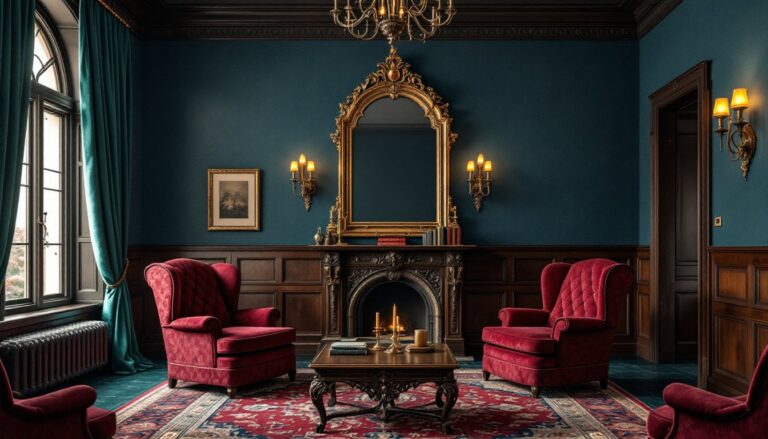
Unlike traditional dark interiors, think Victorian parlors or old-world libraries, dark modern spaces avoid heavy fabrics and ornate details. Instead, they rely on matte finishes, natural wood grains, and metal accents to keep things contemporary. The style works especially well in urban settings, lofts, and homes with strong architectural bones, but it can be adapted to nearly any space with the right approach.
Essential Elements of Dark Modern Interiors
Nailing a dark modern interior comes down to a handful of core elements. Miss one, and the room can feel flat or oppressive. Get them right, and you’ve got a space that’s both striking and comfortable.
First, contrast is non-negotiable. Dark walls need lighter accents, white trim, pale wood furniture, or light-colored upholstery, to prevent the room from closing in. Conversely, a light-walled room with dark furniture and accessories can achieve a similar effect with less commitment.
Texture is your second anchor. Flat, matte black walls can look unfinished without layers: think linen drapery, wool rugs, brushed metal hardware, or raw wood beams. Mixing finishes, matte paint, polished concrete, velvet cushions, adds dimension that paint alone can’t deliver.
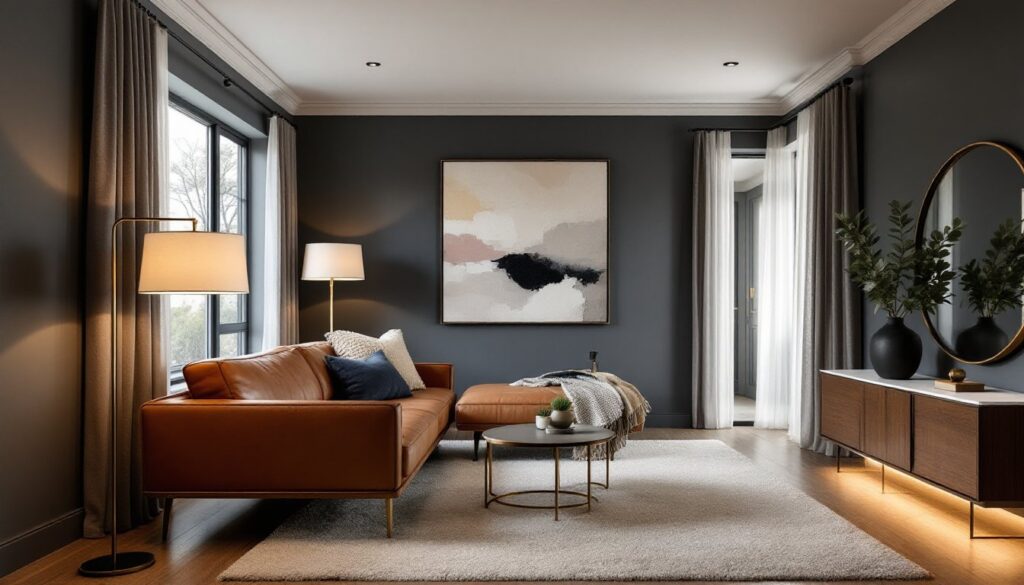
Lighting is where most DIYers stumble. Dark rooms absorb light, so you need multiple sources at different heights. Recessed lighting alone won’t cut it: add floor lamps, wall sconces, and under-cabinet strips. Dimmer switches are essential. Aim for layered lighting: ambient (overhead), task (reading lamps), and accent (LED strips, picture lights). According to Dwell, contemporary interiors increasingly rely on adjustable lighting to shift mood throughout the day.
Color Palettes That Define the Style
The palette is where this style earns its name. Charcoal gray (Benjamin Moore’s Kendall Charcoal or Sherwin-Williams’ Iron Ore) is a safe starting point, dark enough to make a statement, warm enough to avoid feeling cold. Navy blue works beautifully in bedrooms and dining rooms, especially when paired with brass or gold fixtures.
Forest green and deep teal bring an organic, grounded feel and pair well with natural wood tones. True black (SW Tricorn Black or BM Black Beauty) is bold but requires excellent lighting and contrasting elements to avoid a dungeon vibe.
Don’t forget your neutrals. Warm whites, cream, caramel, and light oak provide necessary breathing room. For contrast that feels cohesive, stick to a 70/30 rule: 70% dark tones, 30% light and mid-tones. This keeps the space from tipping into either extreme.
Best Rooms for Dark Modern Design
Not every room is an ideal candidate for dark modern treatment. Some spaces handle it beautifully: others need more light and openness by function.
Living rooms are the sweet spot. They’re typically large, have multiple windows, and benefit from the cozy, enveloping feel dark walls provide. A charcoal accent wall behind a media console or a full dark-wall treatment with light furniture works well here. Emphasizing home decor and interior design techniques that balance bold color with functional layout can elevate the space significantly.
Bedrooms are another natural fit. Dark tones promote relaxation and make the room feel like a true retreat. Navy, charcoal, or deep green walls paired with white bedding and brass lamps hit the mark. Just make sure you have enough task lighting for reading and getting dressed.
Dining rooms thrive with drama. A dark, moody dining room feels formal and intimate, perfect for evening meals. Pair dark walls with a statement light fixture and a natural wood or marble table. Adding design and decor touches like textured wallpaper or a gallery wall can enhance the effect.
Bathrooms can handle dark tile or paint, especially in powder rooms where you’re not spending extended time. Matte black fixtures, dark subway tile, and white grout create a striking, modern look. Just be mindful of ventilation, dark surfaces show water spots and soap scum more readily, so good airflow and regular cleaning are essential.
Kitchens are trickier. Dark cabinetry is trendy, but an all-dark kitchen can feel cramped unless you have plenty of natural light and a large footprint. Consider dark lower cabinets with light uppers, or a dark island against lighter perimeter cabinets. Ensure under-cabinet lighting is installed to keep countertops well-lit for food prep.
Small spaces, hallways, and windowless rooms generally aren’t great candidates unless you’re going for a specific effect (like a dramatic powder room). Low light and tight quarters amplify the cave effect, and no amount of strategic lighting can fully compensate.
How to Balance Darkness with Light and Texture
Going dark doesn’t mean going dim. The trick is balancing deep tones with enough light and textural variety to keep the space from feeling one-note.
Start with natural light. Don’t block it. Skip heavy drapes in favor of sheer linen or roll-up shades. If privacy isn’t an issue, leave windows bare. Clean glass regularly, dust and grime reduce light transmission more than you’d think.
Next, layer your artificial lighting. Recessed cans provide general illumination but create harsh shadows. Add floor lamps with fabric shades for softer light, wall sconces at eye level for ambiance, and LED strip lighting under shelves or toe kicks for subtle glow. According to Design Milk, modern interiors increasingly feature integrated lighting solutions that double as design elements.
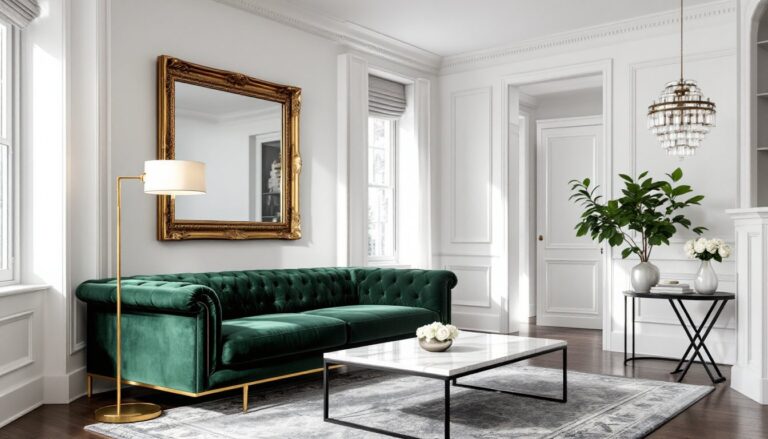
Reflective surfaces multiply light. Mirrors, polished metals, glass tables, and glossy tile bounce light around the room. A large mirror opposite a window can effectively double your natural light. Brass, chrome, and stainless steel fixtures add both function and sparkle.
Texture breaks up visual monotony. Pair a matte black wall with a nubby wool rug, smooth leather seating, and a chunky knit throw. Mix materials: concrete and velvet, wood and metal, linen and stone. Each surface catches and reflects light differently, adding depth. Exploring interior home design ideas that emphasize layered textures can offer additional inspiration.
Artwork and decor provide pops of light and color. A large abstract canvas with lighter tones draws the eye and breaks up dark expanses. Greenery, real or high-quality faux, adds life and contrast. Don’t be afraid of white or cream decor: it doesn’t clash, it complements.
Finally, paint finish matters. Matte and flat paints absorb light and emphasize imperfections but deliver a sophisticated look. Eggshell or satin finishes reflect a bit more light and are easier to clean, better for high-traffic areas or homes with kids and pets.
Furniture and Materials for a Dark Modern Aesthetic
Furniture choices can make or break a dark modern interior. The style favors clean lines, quality materials, and a less-is-more approach.
Upholstery in light or mid-tones keeps the room from feeling too heavy. Cream, taupe, light gray, and even blush pink work beautifully against dark walls. Leather, especially cognac or caramel tones, adds warmth and patina. Avoid busy patterns: stick to solids or subtle textures.
Wood furniture should lean toward natural or light finishes: white oak, ash, maple, or light walnut. These contrast nicely with dark walls and floors. If you prefer darker wood, pair it with lighter upholstery and plenty of metal or glass accents to avoid a monochrome look. For those renovating or furnishing a new home interior design project, selecting furniture that balances scale and tone is critical.
Metal finishes tie the look together. Matte black, brushed brass, and polished chrome are all on-trend. Mix metals carefully, two finishes per room max, and repeat them across hardware, light fixtures, and decor.
Stone and concrete bring in natural texture. A concrete coffee table or marble side table contrasts beautifully with soft textiles. Concrete floors (polished or stained) are popular in modern interiors and pair well with dark walls, though they’re cold underfoot, add area rugs for comfort.
Glass and acrylic furniture keeps sightlines open. A glass coffee table or acrylic chairs reduce visual weight, which is helpful in smaller dark rooms. These materials also reflect light, adding to the room’s brightness.
Avoid overstuffed, traditional furniture. Pieces should have exposed legs, streamlined silhouettes, and minimal ornamentation. Think mid-century modern, Scandinavian, or contemporary Italian design. Check Decoist for examples of furniture that fits the modern aesthetic without sacrificing comfort.
Built-ins and storage should be intentional. Open shelving in light wood or metal keeps the space from feeling closed off. If you’re adding cabinetry, consider a mix of open and closed storage, and use interior lighting to highlight displayed items.
Common Mistakes to Avoid When Going Dark
Dark modern design is forgiving in some ways, unforgiving in others. Here’s where DIYers typically go wrong, and how to avoid it.
Skipping surface prep. Dark paint shows every flaw: patches, dings, tape lines, roller marks. Fill nail holes, sand smooth, prime with a tinted primer (gray for dark colors), and use a high-quality roller cover (3/8″ nap for smooth walls). Two coats minimum, sometimes three.
Ignoring the ceiling. A white ceiling can work, but it can also make the walls feel disconnected. Consider painting the ceiling a shade or two lighter than the walls, or carry the wall color across the ceiling for a cocooning effect. Just make sure your lighting is up to the task.
Inadequate lighting. This is the #1 failure point. Dark rooms need 50-100% more light than their light-colored counterparts. Budget for quality fixtures and don’t rely on a single overhead source. Use dimmers to adjust brightness throughout the day.
Going all-dark everything. Dark walls, dark floors, dark furniture, dark textiles, it’s too much. You need contrast. Light floors with dark walls, or dark floors with lighter furniture. Break it up. Incorporating balanced home decor interior design strategies helps avoid visual fatigue.
Choosing the wrong sheen. High-gloss black walls show every fingerprint and imperfection. Stick with matte, eggshell, or satin unless you’re doing an accent feature like a powder room or a statement wall you won’t touch often.
Neglecting scale and proportion. Oversized furniture in a small dark room feels oppressive. Choose appropriately scaled pieces and leave negative space. A dark room needs breathing room more than a light one.
Forgetting maintenance. Dark surfaces show dust, pet hair, and scuffs more readily. Plan for regular cleaning and touch-ups. Matte paint is harder to wipe down, so keep leftover paint for spot fixes.
Rushing the decision. Paint samples on the wall and live with them for a few days. Dark colors shift dramatically with changing light. What looks moody at noon might look like a black hole at night if your lighting isn’t right. Taking time to consider different home design and decor approaches ensures a cohesive result.