
Table of Contents
ToggleContemporary modern interior design isn’t about chasing fleeting trends or filling a room with sterile furniture. It’s a deliberate approach that balances clean lines, functional layouts, and thoughtful material choices to create spaces that actually work for how people live today. Unlike rigid design systems that force lifestyle changes, contemporary modern adapts, borrowing from minimalism, mid-century modern, and industrial aesthetics while staying rooted in practicality. For homeowners ready to refresh a room or rethink an entire floor plan, understanding the core principles behind this style makes the difference between a cohesive space and a collection of random furniture.
Key Takeaways
- Contemporary modern interior design balances clean lines, functional layouts, and thoughtful material choices to create spaces that prioritize livability over trend-chasing.
- Define your color palette with neutral foundation colors (whites, grays, beige) and deliberate accent colors, using materials like matte black, natural wood tones, and stone to add depth without visual clutter.
- Implement high-impact updates like upgrading hardware and fixtures, simplifying window treatments, and painting with warm neutrals to modernize a space without full-scale renovation.
- Select low-profile, multi-functional furniture and arrange pieces to float away from walls, creating defined zones that maximize open sight lines and maintain clear traffic paths of at least 36 inches wide.
- Layer materials strategically—wood, concrete, metal, glass, and textiles—ensuring combinations share a visual language that prevents spaces from feeling sterile or overwhelming.
- Incorporate contemporary modern design through decluttering, adding built-in storage, installing dimmer-controlled lighting in warm color temperatures (2700K–3000K), and introducing natural elements like statement plants to soften manufactured materials.
What Is Contemporary Modern Interior Design?
Contemporary modern interior design refers to the design aesthetic that’s current right now, as of 2026, that means spaces characterized by simplicity, neutral palettes, natural light, and a focus on function over ornamentation. The term “contemporary” literally means “of the moment,” so it evolves as trends shift, but the “modern” qualifier anchors it to principles established by the mid-20th century modernist movement: open floor plans, honest materials, and form following function.
This style differs from “modern” design (capital M), which specifically refers to the modernist movement from roughly the 1920s through the 1950s. Contemporary modern borrows that foundation but incorporates current materials, technology, and global influences. Think smart home integration, sustainable building materials, and design elements pulled from Scandinavian, Japanese, and industrial aesthetics.
For DIYers and homeowners, the practical takeaway is this: contemporary modern design prioritizes livability. It’s not about creating a museum. Spaces should feel uncluttered but warm, streamlined but not cold. High-performance windows, open sight lines, and multi-functional furniture aren’t just aesthetic choices, they’re structural and spatial decisions that affect how a home functions day-to-day.
Key Characteristics of Contemporary Modern Style
Several defining features set contemporary modern interiors apart from other design approaches. Recognizing these characteristics helps when planning a remodel or refresh.
Clean Lines and Minimal Ornamentation: Trim, cabinetry, and furniture favor straight edges and geometric simplicity. Crown molding, if used at all, is typically a simple 1×2 or 1×3 profile rather than elaborate multi-piece assemblies. Door and window casings often use flat or slightly beveled stock rather than routed profiles.
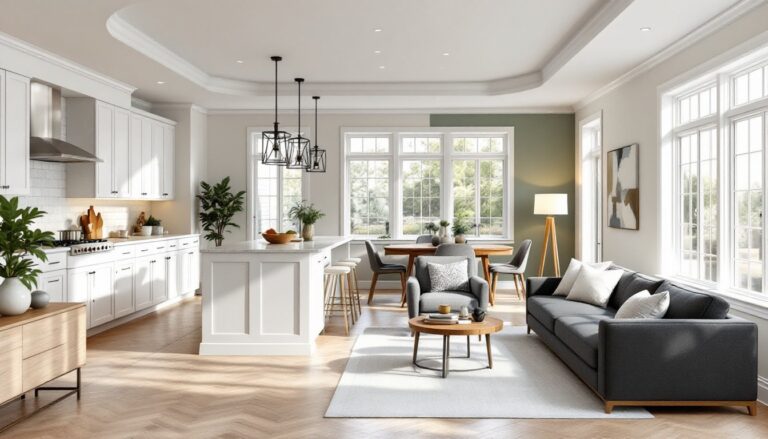
Open Floor Plans: Whenever structural considerations allow, contemporary modern design removes unnecessary walls to create flowing spaces. This often means using engineered beams or steel I-beams to carry loads previously supported by interior bearing walls. Always consult a structural engineer before removing any wall, load calculations and local building codes (typically IRC Chapter 6 for residential framing) govern what’s possible.
Emphasis on Natural Light: Large windows, glass doors, and strategically placed skylights maximize daylight. Energy codes (like IECC 2021 or newer) now require high-performance glazing in most climates, so contemporary projects often incorporate low-E coatings and thermally broken frames that deliver both brightness and efficiency.
Functional Furniture: Pieces serve clear purposes without excess. Storage integrates into architecture, built-in benches with lift-tops, flush-mounted shelving, and furniture with hidden compartments. For DIY projects, this can mean incorporating minimalist storage solutions during renovations rather than adding standalone storage later.
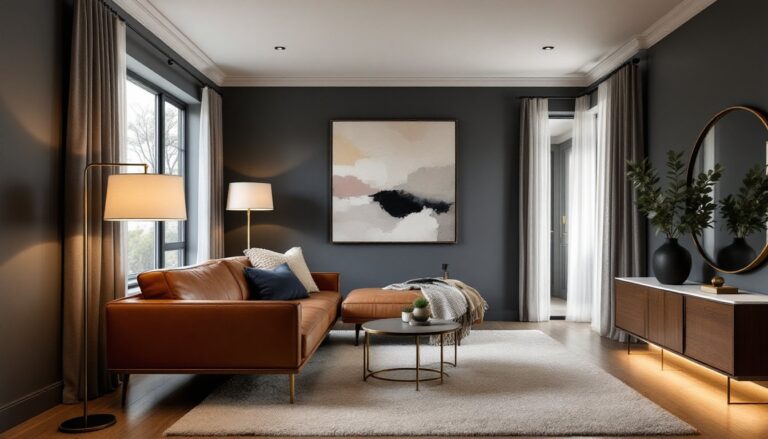
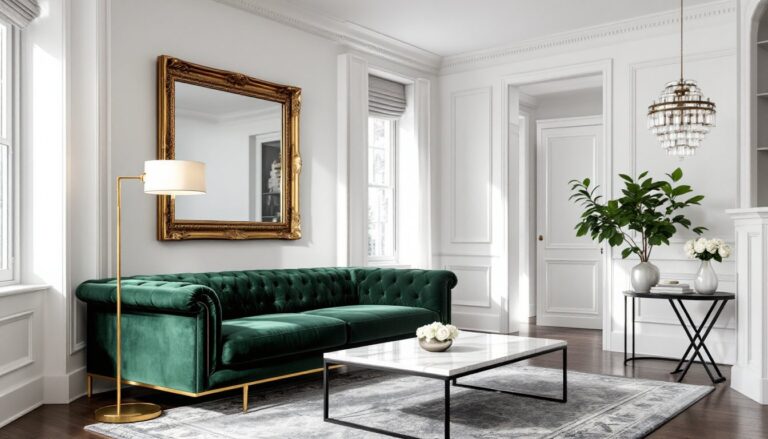
Neutral Backdrops with Statement Pieces: Walls, floors, and large surfaces remain neutral, allowing a few carefully chosen elements, a bold light fixture, a single piece of art, or an accent chair, to anchor each space.
Color Palettes That Define Contemporary Modern Interiors
Contemporary modern color schemes lean heavily on neutrals, but “neutral” doesn’t mean boring or monotone. The palette builds depth through layering shades and introducing texture.
Foundation Colors: White, off-white, gray, beige, and taupe dominate walls, ceilings, and large surfaces. Popular paint choices in 2026 include warm whites with subtle undertones, colors that read as “white” but shift slightly cream or gray depending on light. When selecting paint, test samples on at least two walls (one receiving direct light, one in shadow) because undertones reveal themselves differently throughout the day.
Accent Colors: When color appears, it’s deliberate. Deep charcoal, navy, forest green, or even muted terracotta work as accent walls or in upholstery. The key is restraint, typically one or two accent tones per room. Many contemporary interiors pull accent colors from natural materials already present: a wood tone, a stone countertop, or metal fixtures.
Black as a Design Tool: Matte black has become a staple for contemporary spaces, window frames, door hardware, light fixtures, and plumbing fixtures. It provides sharp contrast without the heaviness of traditional oil-rubbed bronze. When painting trim or doors black, use a high-quality acrylic enamel formulated for trim (like Benjamin Moore Advance or Sherwin-Williams ProClassic) to avoid streaking and ensure durability.
Natural Wood Tones: Rather than staining everything the same color, contemporary design often celebrates the natural variation in wood species. Light oak, walnut, and even raw plywood (sealed with a matte polyurethane) appear in flooring, cabinetry, and furniture. Interior design publications like Dwell frequently showcase how natural wood balances neutral palettes without adding visual clutter.
Furniture and Layout Essentials
Contemporary modern furniture isn’t just about aesthetics, it’s engineered for comfort and function. Selecting and arranging pieces properly makes a substantial difference in how a room performs.
Low-Profile Furniture: Sofas, beds, and chairs often sit lower to the ground than traditional pieces, which visually expands vertical space and emphasizes horizontal lines. Platform beds eliminate the need for box springs, and many contemporary sofas feature legs that are 4 to 6 inches tall rather than the traditional 7 to 9 inches.
Multi-Functional Pieces: Storage ottomans, extendable dining tables, and modular sectionals adapt to different needs. For DIYers building custom furniture, consider incorporating hidden storage or convertible features from the start, it’s far easier than retrofitting later.
Layout Principles: Furniture floats away from walls whenever room size allows, creating defined zones within open floor plans. Use area rugs to anchor seating groups (the rug should extend at least 12 to 18 inches beyond the furniture footprint on all sides). Maintain clear traffic paths at least 36 inches wide, 42 inches is better for high-traffic areas or accessibility considerations per ADA guidelines.
Material Consistency: Contemporary furniture often mixes materials, metal legs with wood tops, upholstered seats with leather backs, but successful combinations share a visual language. If incorporating industrial-style metal furniture, carry that metal finish into lighting or hardware elsewhere in the room. Many resources on interior home design emphasize this kind of material thread that ties a space together.
Scale and Proportion: Oversized furniture overwhelms contemporary spaces. Measure rooms carefully and select pieces that leave breathing room. As a general rule, furniture should occupy no more than two-thirds of available floor space, leaving open areas for movement and visual rest.
Materials and Textures in Contemporary Modern Design
Material selection defines the tactile quality of contemporary spaces. The goal is to layer textures that add warmth without clutter.
Wood: Both solid lumber and engineered wood appear throughout contemporary homes. Popular choices include white oak (often wire-brushed or rift-sawn for subtle texture), walnut (for richer tones), and maple (for light, uniform grain). Engineered flooring (plywood or HDF core with a hardwood veneer) offers dimensional stability in climates with seasonal humidity swings, critical for preventing gaps or cupping in open floor plans with radiant heat.
Concrete and Stone: Polished concrete floors, concrete countertops, and natural stone (marble, granite, slate) provide durable, low-maintenance surfaces with inherent variation. When pouring decorative concrete, use a 3,000 to 4,000 PSI mix with proper reinforcement (typically 6×6 W1.4×W1.4 welded wire mesh or fiber reinforcement). Always apply a penetrating sealer to protect against staining, especially important in kitchens or baths.
Metal: Stainless steel, brushed nickel, matte black steel, and even raw steel (sealed to prevent rust) appear in fixtures, railings, and furniture. For DIY metalwork, mild steel (A36) is easiest to cut and weld, while aluminum offers light weight and natural corrosion resistance for exterior applications. When working with metal, always wear safety glasses, welding gloves, and hearing protection if cutting with an angle grinder or chop saw.
Glass: Large glass panels (in doors, partitions, or shelving) maintain sight lines while defining spaces. Tempered glass is required by building codes for any glazing within 18 inches of a floor or adjacent to doors, it’s four to five times stronger than annealed glass and shatters into small, blunt pieces rather than sharp shards.
Textiles: Linen, wool, cotton, and leather add softness and warmth. Contemporary spaces often layer textures, a wool rug over hardwood, linen curtains alongside leather seating, to prevent the “showroom” feel. Many contemporary interiors featured on Design Milk demonstrate how textiles balance hard surfaces without overwhelming minimalist aesthetics.
How to Incorporate Contemporary Modern Design in Your Home
Implementing contemporary modern design doesn’t require gutting every room. Strategic updates deliver significant impact without full-scale renovation.
Start with Decluttering and Editing: Remove excess decor, furniture, and visual noise. Contemporary design thrives on restraint. Box up items and live without them for a month, if they’re not missed, donate or store them permanently.
Update Hardware and Fixtures: Swapping cabinet pulls, door handles, and light fixtures is a high-impact, low-cost change. Choose matte black, brushed nickel, or unlacquered brass in simple geometric shapes. For cabinet hardware, standard pulls are 3, 3.75, or 5 inches center-to-center (measure existing holes before buying to avoid drilling new ones).
Simplify Window Treatments: Replace heavy drapes with simple roller shades, sheer linen panels, or leave windows bare if privacy allows. If privacy is a concern, consider top-down/bottom-up cellular shades that allow light in while obscuring sight lines.
Refinish or Replace Flooring: If existing flooring is dated, consider refinishing hardwood (if you have at least 1/16 inch of wear layer remaining), installing luxury vinyl plank (LVP) for a budget-friendly wood look, or pouring a self-leveling concrete overlay for an industrial aesthetic. LVP with an attached underlayment installs as a floating floor over most existing surfaces and requires only basic tools (utility knife, tapping block, pull bar).
Paint Strategically: A fresh coat of warm white or soft gray immediately modernizes a space. Use low-VOC or zero-VOC paint for interior applications (better for indoor air quality and required by some green building programs). Coverage is typically 350 to 400 square feet per gallon for quality paint on smooth, primed surfaces. When working with home decor design elements, a consistent paint palette unifies disparate spaces.
Incorporate Built-Ins: Custom shelving, window seats with storage, or a simple floating vanity add contemporary character and functionality. Most built-ins use 3/4-inch plywood (hardwood or prefinished) for shelves and cabinet boxes, fastened to wall studs (located 16 or 24 inches on-center) with appropriate screws or brackets. For shelves over 36 inches long, add a center support or use thicker material to prevent sagging.
Lighting Layers: Combine ambient (overhead), task (reading, cooking), and accent (highlighting art or architecture) lighting. Install dimmer switches (standard 600W incandescent/150W LED dimmers work for most applications) to adjust mood and function. Contemporary fixtures favor simple shapes, drum pendants, linear suspension lights, or recessed LED downlights with a 2700K to 3000K color temperature for warm, inviting light.
Introduce Natural Elements: A single statement plant (fiddle leaf fig, monstera, or snake plant), a wood accent wall, or a stone feature creates visual interest without clutter. Contemporary modern interiors often feature organic elements as a counterpoint to manufactured materials. Sites like Decoist regularly highlight how greenery and natural textures soften contemporary spaces.
Upgrade Window and Door Trim: Replace ornate trim with simple 1×4 or 1×6 flat casing (actual dimensions: 3/4 × 3.5 inches or 3/4 × 5.5 inches). Miter corners at 45 degrees for a clean finish. If DIYing, a miter saw delivers far cleaner cuts than a circular saw, especially for painted trim where gaps are unforgiving. Fill nail holes with lightweight spackling compound, sand smooth, prime, and paint.
Consider Architectural Changes (With Caution): Removing non-bearing walls, adding transom windows above doors, or installing a steel beam to open up a kitchen requires engineering and permits. Always check with local building departments before starting structural work. Many jurisdictions require sealed drawings from a licensed engineer for any beam installation or load redistribution.
Conclusion
Contemporary modern interior design succeeds when form and function align, when clean lines serve daily living rather than just looking good in photos. For homeowners tackling projects themselves, the principles remain consistent: edit ruthlessly, choose quality materials, and let each element earn its place. Whether swapping hardware or reframing a room, the goal is a space that feels intentional, uncluttered, and genuinely livable.