Table of Contents
ToggleMinimalist <a href="https://safespeedforlife.com/interior-design-for-a-minimalist-home/”>interior design isn’t about cold, empty rooms or living like a monk. It’s a deliberate approach to creating spaces that prioritize function, light, and breathing room, clearing out the clutter so what remains actually matters. Done right, it reduces visual noise, simplifies maintenance, and often costs less than filling every corner with furniture and decor. For DIYers and homeowners, it’s one of the most achievable design styles because it values restraint over complexity. This guide breaks down the principles, key elements, and practical steps to bring minimalist design into your home without turning it into a sterile showroom.
Key Takeaways
- Minimalist interior design prioritizes function, light, and breathing room by removing visual clutter and keeping only items that serve a clear purpose or hold genuine meaning.
- Core principles include functionality first, intentional use of space, quality over quantity, and simplicity in form—rooted in Japanese Zen philosophy and the Bauhaus movement.
- Neutral color palettes (whites, grays, beiges) paired with natural materials like hardwood, concrete, and stone create a cohesive backdrop without visual chaos.
- Achieve minimalist style through deliberate decluttering, replacing bulky furniture with streamlined alternatives, and installing built-ins and floating shelves to reduce clutter.
- Avoid common mistakes like stripping too much warmth, ignoring furniture scale, overlooking storage solutions, and choosing trendy designs over timeless materials.
- Incorporate layered lighting with simple forms, add texture through natural materials and woven textiles, and maintain the look through ongoing curation and storage solutions.
What Is Minimalist Interior Design?
Minimalist interior design is a style rooted in the principle that less is more. It emerged in the mid-20th century, influenced by Japanese Zen philosophy and the Bauhaus movement, which emphasized function and simplicity over ornamentation. The goal isn’t to strip a room bare but to intentionally select furnishings, colors, and layouts that serve a purpose while maintaining visual calm.
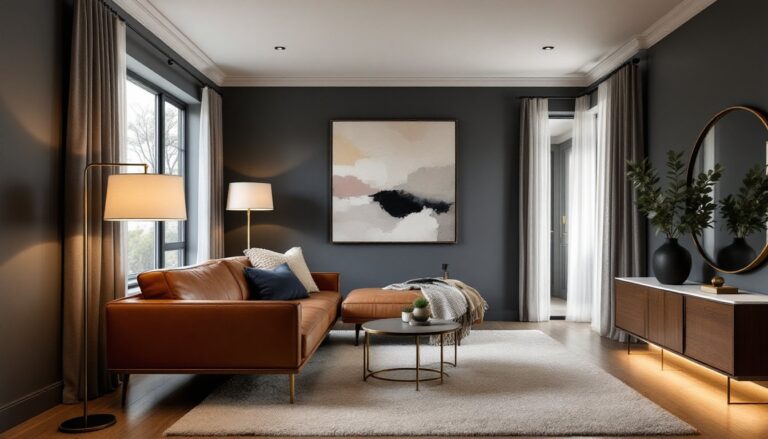
In practice, this means open floor plans, clean lines, limited color palettes (usually neutrals), and furniture that doesn’t compete for attention. You won’t find excess throw pillows, tchotchkes on every shelf, or busy patterns covering the walls. Instead, each piece in the room has a reason to be there, whether it’s functional, structural, or genuinely meaningful to the homeowner.
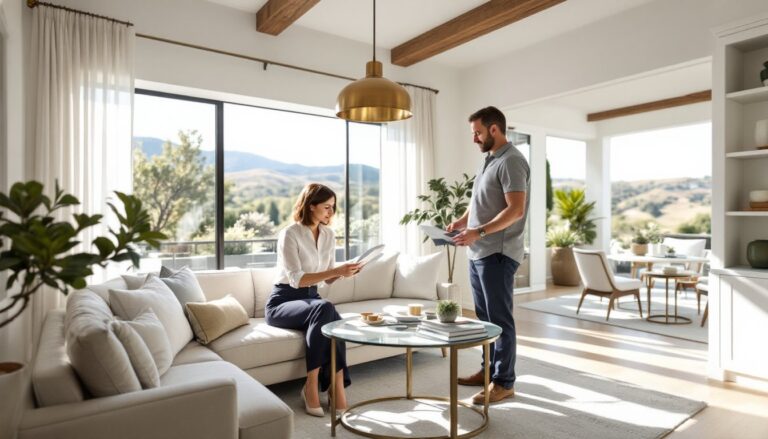
This style works especially well in smaller homes or apartments where space is at a premium, but it’s equally effective in larger spaces that feel chaotic or over-decorated. The fundamentals of minimalist design emphasize editing your environment down to what enhances daily life, which can make even a modest DIY renovation feel more impactful.
Core Principles of Minimalist Design
Minimalism operates on a handful of guiding principles that inform every decision, from paint color to furniture placement.
Functionality first. Every item should serve a clear purpose. A coffee table isn’t just decor, it’s a surface for drinks, books, or feet. If something doesn’t add function or genuine joy, it’s clutter.
Intentional use of space. Negative space (the empty areas around furniture and objects) is as important as what fills the room. This doesn’t mean leaving half your square footage unused: it means arranging furniture to allow easy movement, sightlines, and natural light flow.
Quality over quantity. Minimalism favors fewer, better-made pieces. A solid wood dining table that’ll last 20 years beats a particleboard one you’ll replace in five. This approach often saves money long-term and reduces waste.
Simplicity in form and detail. Clean lines, unadorned surfaces, and geometric shapes dominate. Think flat-panel cabinet doors, streamlined hardware (or none at all), and furniture with minimal embellishment. Avoid ornate moldings, fussy trim, or decorative brackets unless they’re structural.
Restraint in color and texture. Minimalist palettes are typically monochromatic or low-contrast, relying on subtle shifts in tone and natural textures, linen, concrete, wood grain, to add warmth without visual chaos. This principle applies to wall treatments, flooring, and textiles.
Key Elements That Define Minimalist Interiors
Color Palettes and Materials
Minimalist spaces lean heavily on neutral tones: whites, grays, beiges, and blacks. These create a cohesive backdrop that doesn’t compete with furnishings or natural light. White walls are common, but don’t default to builder-grade flat white. Consider warm whites (like Benjamin Moore’s Swiss Coffee) or soft grays (like Sherwin-Williams Repose Gray) to avoid a sterile feel.
Materials should be natural and honest. Hardwood floors (or engineered wood in moisture-prone areas), concrete, stone, and steel are staples. If you’re installing new flooring, wide-plank oak or maple in a matte finish reinforces the style better than narrow strips or high-gloss polyurethane. For countertops, quartz or honed granite offers durability without busy veining.
Textiles add warmth without pattern overload: linen curtains, wool rugs in solid tones, cotton bedding. Avoid heavy drapes, printed upholstery, or layered throws. One well-chosen area rug anchors a space better than three competing ones.
Furniture and Layout Choices
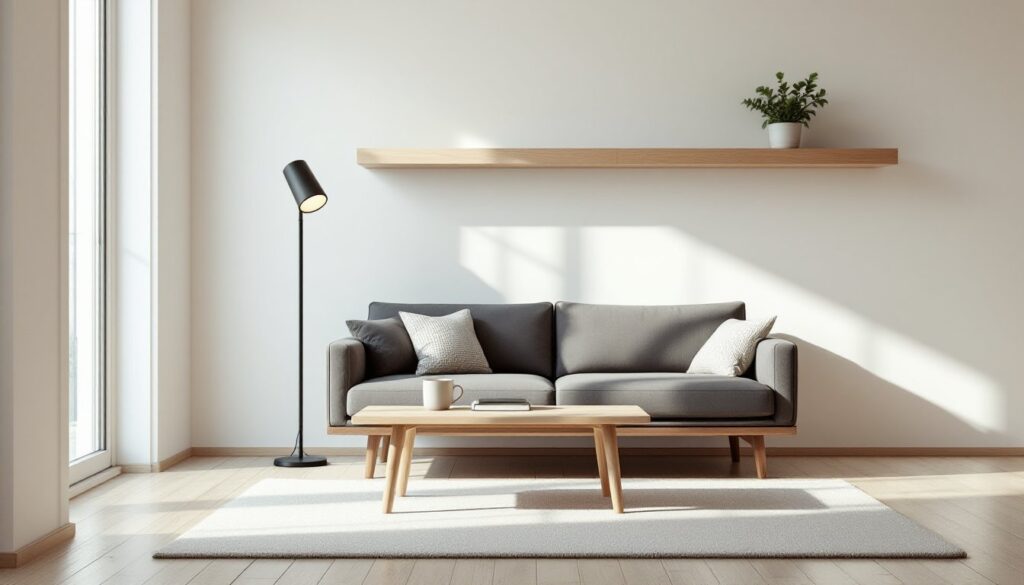
Minimalist furniture is low-profile, geometric, and unadorned. Think platform beds without headboards, streamlined sofas with slim arms, and dining tables with straight legs, no turned spindles or carved details. Modular pieces work well because they adapt to different layouts without adding bulk.
Built-ins are a DIY-friendly way to reduce visual clutter. A wall of floor-to-ceiling cabinets with flat-panel doors hides storage while maintaining clean lines. If you’re handy with a circular saw and drill, building simple floating shelves from ¾” plywood (actual dimension: 23/32″) and finishing them in white or natural wood keeps the look cohesive. Use concealed brackets or French cleats for a seamless appearance.
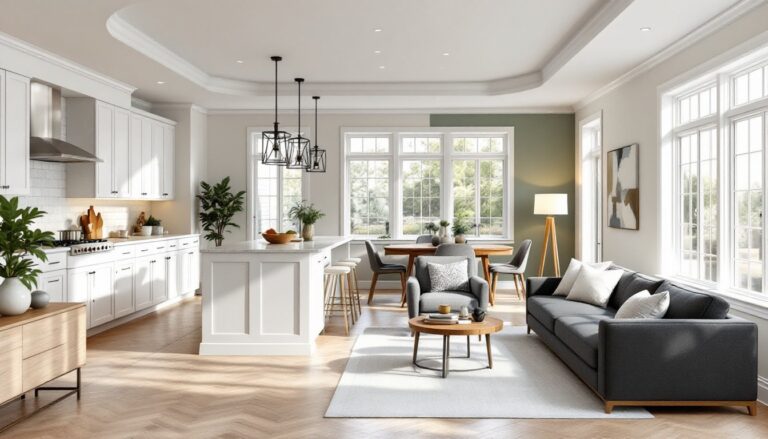
Layout is critical. Leave at least 36″ of clearance around major furniture for comfortable movement, more if the room allows. Avoid pushing all furniture against walls: floating a sofa or bed creates intentional zones and improves flow. In open-concept homes, use area rugs or subtle shifts in flooring material (wood to tile) to define spaces without adding walls or partitions.
Lighting should be simple and functional. Recessed LED fixtures (also called can lights) provide ambient light without visual clutter. Pair them with one or two statement pieces, a pendant over a dining table, a floor lamp with a slender profile, rather than multiple chandeliers or fussy sconces. Dimmer switches let you adjust intensity and mood: they’re a straightforward DIY upgrade if you’re comfortable working with electrical boxes (turn off power at the breaker first).
For those looking to refine their approach, resources like Design Milk offer inspiration on modern furniture and lighting that align with minimalist principles.
How to Achieve Minimalist Style in Your Home
Transitioning to minimalist design is as much about subtraction as addition. Start by decluttering ruthlessly. Remove items that don’t serve a function or hold genuine sentimental value. This isn’t a weekend task, plan to spend time evaluating each room, closet, and shelf.
Once the space is clear, assess your walls, floors, and built-in features. If you’ve got dated trim, busy tile, or overly ornate molding, consider simplifying. Flat-panel door replacements are more cost-effective than full cabinetry: you can reface existing boxes with new doors and hardware for a fraction of a gut remodel. For walls, a fresh coat of neutral paint (at ~400 square feet per gallon coverage) is one of the highest-impact, lowest-cost upgrades.
Flooring is another major element. If you’re replacing carpet or worn vinyl, wide-plank engineered hardwood (7″ or wider) reads cleaner than narrow strips. Installation is a manageable DIY if you’re comfortable with a miter saw and pneumatic nailer, but budget time for acclimation, most manufacturers require planks to sit in the room for 48–72 hours before installation to prevent warping.
Next, evaluate furniture. Replace bulky pieces with streamlined alternatives. A sectional with thick rolled arms can be swapped for a sleek sofa with track arms and exposed legs. Swap ornate dining chairs for simple wood or metal versions. If you’re building custom pieces, use materials like ¾” plywood or MDF with a smooth finish. Sand thoroughly (120-grit, then 220-grit) and apply primer before painting to avoid a grainy texture.
Window treatments should be minimal. Consider simple roller shades or sheer linen panels rather than heavy curtains or valances. If privacy isn’t a concern, leaving windows bare maximizes natural light.
Storage is essential to maintain the look. Closed cabinets, under-bed drawers, and closet organizers keep everyday items out of sight. If you’re installing shelving, opt for floating designs rather than bracketed units. A stud finder and proper anchors (toggle bolts for drywall, lag screws into studs) are non-negotiable for safe, secure mounting.
For those tackling broader home decor design projects, minimalism pairs well with open shelving in kitchw, just limit what’s displayed to a few matching dishes or glassware.
Common Mistakes to Avoid in Minimalist Design
Minimalism can easily tip into sterile or uncomfortable territory if you’re not careful. Here’s where DIYers and homeowners often go wrong.
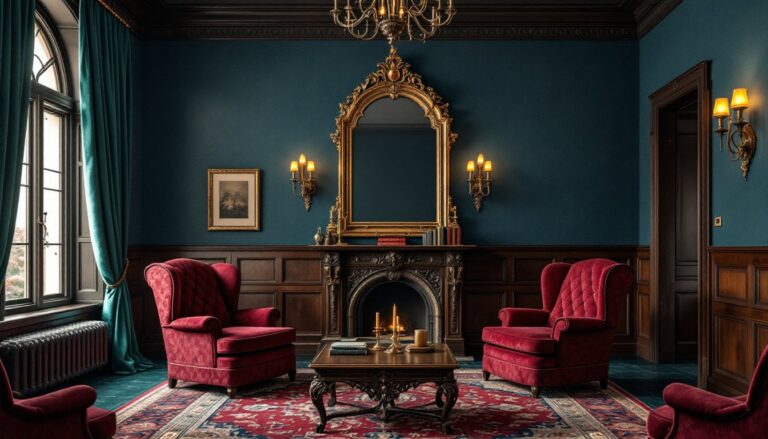
Stripping too much warmth. All-white walls, concrete floors, and no textiles make a space feel cold and institutional. Add warmth through natural wood tones, woven textiles, and a few plants (real, not fake). A wool rug or linen throw goes a long way.
Ignoring scale. Furniture that’s too small for the room makes it feel empty and awkward, not intentional. A 72″ sofa in a 20′ × 15′ living room looks lost. Conversely, oversized pieces in a small space defeat the purpose. Measure carefully and use painter’s tape to outline furniture footprints on the floor before buying.
Overlooking storage. Minimalism isn’t about owning nothing: it’s about hiding what you own. Without adequate storage, clutter creeps back. Built-in closets, under-stair cabinets, and vanity drawers are worth the investment. If you’re renovating, prioritize concealed storage over open shelving in high-traffic areas.
Forgetting lighting layers. Relying solely on overhead fixtures creates harsh shadows and a flat look. Combine ambient (recessed or ceiling), task (under-cabinet, reading lamps), and accent (picture lights, LED strips) sources. All should be simple in form, no crystal chandeliers or overly decorative bases.
Neglecting texture. A monochrome palette without textural variety feels one-dimensional. Mix matte and gloss finishes, smooth and rough surfaces. Pair a polished concrete countertop with warm oak cabinetry, or a white-painted wall with raw linen curtains.
Skipping the edit. Minimalism requires ongoing curation. Even after the initial declutter, items accumulate. Set a rule: for every new item brought in, something else goes out. This applies to furniture, decor, and kitchen gadgets alike.
DIY-ing structural changes without permits. Removing walls to create open layouts is common in minimalist renovations, but load-bearing walls require engineered headers and often a permit. Check with your local building department before touching framing. The same goes for major electrical or plumbing work. Some minimalist upgrades, like installing recessed lighting or moving a sink, fall under the International Residential Code (IRC) or National Electrical Code (NEC) and need inspections.
Choosing trendy over timeless. Minimalism thrives on longevity. Avoid design trends that date quickly (like stark industrial finishes that were huge in 2015 but feel tired now). Stick to classic materials and neutral palettes that won’t feel stale in five years. For ongoing ideas on maintaining a cohesive look, exploring interior home design ideas can provide fresh perspectives without overwhelming the space.