Table of Contents
ToggleGothic interior design isn’t just for medieval castles or horror movie sets, it’s a legitimate design style that’s making a dramatic comeback in modern homes. This aesthetic combines rich, moody colors, ornate architectural details, and a sense of historical grandeur that creates spaces with genuine character and depth. Unlike fleeting trends, Gothic design roots itself in centuries of architectural tradition, offering homeowners a way to inject personality and drama into their spaces without sacrificing livability. Whether converting a single room or reimagining an entire home, understanding the foundational elements of Gothic design helps DIYers execute this style with authenticity.
Key Takeaways
- Gothic interior design combines rich jewel tones, ornate details, and dramatic lighting to create historically grounded spaces that work in both period homes and modern interiors.
- Start with low-commitment changes like swapping textiles and painting accent walls before tackling larger architectural projects like crown molding, wainscoting, or ceiling medallions.
- Deep color palettes—burgundy, forest green, midnight blue—should feature depth and sheen rather than flat matte black, which flattens spaces instead of adding dimension.
- Layer your lighting with chandeliers, wall sconces, and table lamps at varying heights to create pools of warm light that emphasize details while maintaining atmospheric shadows.
- Authentic Gothic design prioritizes quality over quantity; one well-chosen antique piece delivers more visual impact than multiple mass-produced decor items.
- Focus on dark wood furniture with ornate carving, velvet upholstery in jewel tones, and wrought iron accents to capture the opulent yet dramatic essence of Gothic aesthetics.
What Is Gothic Interior Design?
Gothic interior design draws inspiration from medieval European architecture, particularly the Gothic Revival movement of the 18th and 19th centuries. The style emphasizes verticality, ornate detailing, and a dramatic interplay between light and shadow that creates atmospheric spaces.
At its core, Gothic design balances opulence with a certain darkness, think rich jewel tones, heavy wood furniture, intricate metalwork, and decorative elements borrowed from ecclesiastical architecture. It’s not about creating a dungeon aesthetic: it’s about crafting spaces that feel layered, textured, and historically grounded.
This style works particularly well in homes with existing architectural character, older homes with high ceilings, crown molding, or original woodwork provide a natural foundation. But, DIYers can successfully incorporate Gothic elements into modern spaces through careful selection of colors, furniture, and decorative details that evoke the period without requiring structural changes.
Key Elements of Gothic Interior Design
Color Palettes That Define the Gothic Aesthetic
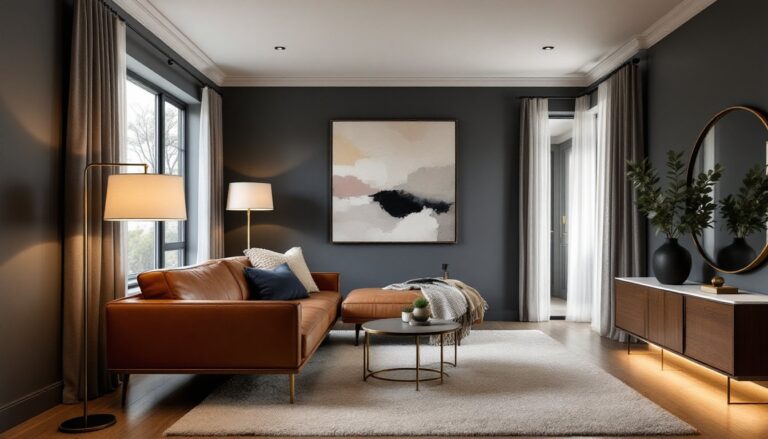
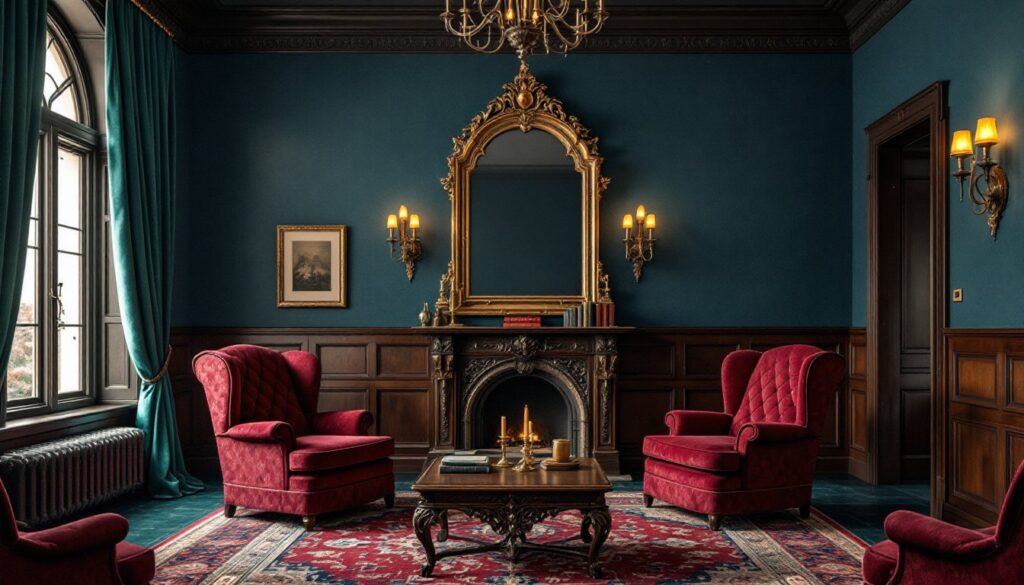
Gothic color schemes center on deep, saturated hues that create intimacy and drama. Deep burgundy, forest green, midnight blue, and charcoal gray form the foundation, often paired with black as an accent rather than a dominant color. These aren’t flat, matte finishes, Gothic spaces benefit from colors with depth and slight sheen that catch light.
Accent colors include rich purple, gold, and deep crimson, typically introduced through textiles, artwork, or decorative objects. Many homeowners new to Gothic design make the mistake of painting everything black, which flattens the space rather than adding dimension. Instead, consider a deep plum or navy for walls, reserving black for trim, metal accents, or furniture.
When selecting paint, opt for products with good coverage, most dark colors require two to three coats over properly primed surfaces. A gallon of quality paint covers approximately 350-400 square feet per coat, so budget accordingly for rooms with high ceilings or multiple walls.
Architectural Features and Structural Details
Authentic Gothic architecture features pointed arches, ribbed vaults, flying buttresses, and tracery windows, elements that aren’t practical for most residential renovations. But, DIYers can reference these features through more achievable modifications.
Crown molding and ceiling medallions add vertical interest and ornamental detail without structural work. Many homeowners successfully install polyurethane molding that mimics carved wood or plaster, it’s lightweight, paintable, and doesn’t require specialized carpentry skills. For a Gothic effect, choose profiles with more depth and detail than standard builder-grade trim.
Window treatments offer another opportunity to reference Gothic architectural elements. Arched window toppers or drapery hardware with decorative finials create vertical lines that draw the eye upward. If replacing windows isn’t in the budget, consider adding decorative trim details around existing frames to create a more substantial appearance.
Exposed beams work particularly well in spaces with vaulted or cathedral ceilings. If genuine structural beams aren’t present, faux beams constructed from lightweight materials can be installed by a competent DIYer. Use construction adhesive and screws driven into ceiling joists, locate these with a stud finder, as they’re typically spaced 16 or 24 inches on center in residential construction.
Wainscoting or board-and-batten paneling on the lower third of walls adds textural interest and references the wood-paneled interiors common in Gothic Revival homes. This project requires basic carpentry skills, a miter saw for clean cuts, and careful measurement to ensure panels remain level and evenly spaced.
How to Incorporate Gothic Design in Your Home
Start with a single room rather than attempting a whole-house transformation. Living rooms, dining rooms, and bedrooms adapt most naturally to Gothic styling, while kitchens and bathrooms present more challenges due to functional requirements and moisture considerations.
Begin with paint and textiles, the lowest-commitment, highest-impact changes. Swap out light curtains for heavy velvet drapes in deep colors. Replace modern throw pillows with ones featuring rich fabrics like brocade, damask, or velvet in jewel tones. These changes require no tools and remain fully reversible.
Next, address walls and trim. If painting walls a dark color feels too bold, consider an accent wall behind a bed or sofa. Ensure walls are properly prepped, fill holes with spackle, sand smooth, and apply a quality primer rated for dark colors. This prep work makes the difference between a professional-looking result and a patchy mess.
For those comfortable with more involved projects, adding architectural details delivers significant impact. Installing a ceiling medallion around an existing light fixture takes a few hours and minimal tools, typically just a stud finder, construction adhesive, and possibly screws for additional support on heavier medallions. Follow manufacturer instructions for proper installation, as medallions must be centered and securely attached.
Wall paneling projects require more skill but remain within reach for experienced DIYers. Purchase 1×4 or 1×6 boards (actual dimensions 3/4 x 3.5 inches or 3/4 x 5.5 inches) for vertical battens, and install them over painted walls using a brad nailer or finish nails. Space them evenly, 12 to 16 inches apart works well, and ensure they’re plumb using a level. Caulk gaps, fill nail holes, and paint for a seamless finish.
Anyone attempting projects that alter load-bearing walls, electrical systems, or plumbing should consult local building codes and consider hiring licensed professionals. Most decorative work won’t require permits, but structural changes typically do.
Furniture and Decor Essentials for a Gothic Space
Gothic furniture emphasizes dark wood (walnut, mahogany, oak), ornate carving, and substantial construction. Look for pieces with curved legs, decorative scrollwork, or ecclesiastical details like trefoil or quatrefoil motifs. Victorian-era furniture or Gothic Revival reproductions work well, though genuine antiques command premium prices.
For DIYers on a budget, consider refinishing existing wood furniture in darker stains. Strip old finishes using chemical strippers in well-ventilated areas, always wear chemical-resistant gloves and eye protection, then apply a gel stain in colors like Jacobean or Ebony. Gel stains work particularly well on vertical surfaces as they’re less prone to dripping than traditional liquid stains.
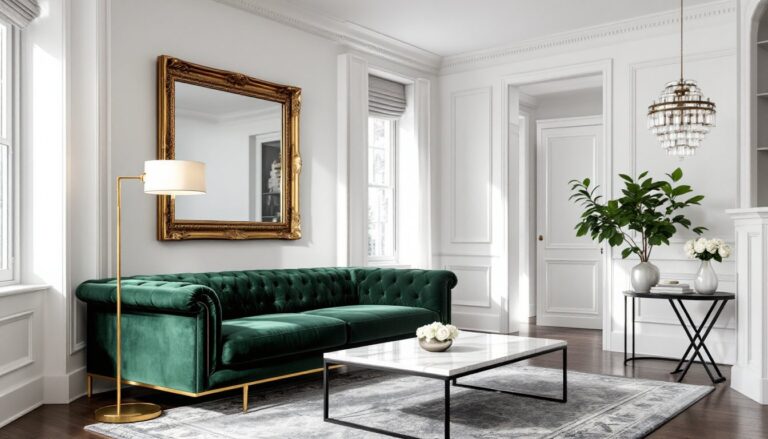
Upholstered furniture in rich fabrics adds comfort without sacrificing style. Velvet sofas and chairs in deep colors provide both visual weight and tactile luxury. If purchasing new upholstered pieces exceeds the budget, many upholstery shops offer reupholstering services that can transform dated pieces into Gothic showstoppers.
Decorative elements complete the look. Wrought iron candelabras, ornate mirrors with heavy frames, Gothic-style crosses or religious iconography, and collections of leather-bound books all contribute to the aesthetic. Thrift stores, estate sales, and architectural salvage yards often yield affordable finds that add authentic character.
Textiles play a crucial role, layer rugs, particularly Persian or Oriental styles with rich colors and intricate patterns. Hang tapestries on walls to add texture and reference medieval great halls. Window treatments should be substantial: think floor-length velvet curtains on decorative rods with ornate finials.
When sourcing decor, authenticity matters more than perfection. A single well-chosen antique piece carries more visual weight than a dozen mass-produced Gothic-themed items. Balance is key, too many ornate elements create visual chaos rather than dramatic elegance.
Lighting Strategies to Enhance the Gothic Atmosphere
Gothic spaces rely on layered, ambient lighting rather than bright overhead illumination. The goal is creating pools of warm light that emphasize architectural details while maintaining shadows that add depth and mystery.
Chandeliers serve as focal points, look for wrought iron fixtures with candelabra-style bulbs or crystal pieces that catch and refract light. Size matters: a chandelier should be approximately one-half to two-thirds the width of the table it hangs over, positioned 30-34 inches above the table surface. For installation over dining tables or in entryways, ensure the fixture’s electrical box is properly rated for the weight, most standard boxes support up to 50 pounds, but heavier fixtures require braced boxes attached to ceiling joists.
Wall sconces add supplemental lighting while reinforcing the Gothic aesthetic. Install them flanking mirrors, on either side of a fireplace, or along hallways at approximately 60-66 inches from the floor to center. Modern interpretations of Gothic-inspired fixtures blend historical details with updated electrical standards.
Table and floor lamps with fabric shades in deep colors or stained glass create intimate lighting zones. Position them to highlight seating areas or architectural features. Use 40-60 watt equivalent LED bulbs in warm color temperatures (2700K-3000K), cooler temperatures read as clinical rather than atmospheric in Gothic spaces.
Dimmer switches provide control over lighting levels throughout the day. Installing dimmers is a straightforward electrical project for those comfortable working with household wiring, always shut off power at the breaker before beginning work, and verify power is off using a non-contact voltage tester. Most dimmers require a neutral wire connection: older homes may need rewiring to accommodate modern dimmer switches. If unfamiliar with electrical work or if the home’s wiring doesn’t meet current NEC (National Electrical Code) standards, hire a licensed electrician.
Candles add authentic ambiance, group them in varying heights on mantels or tables, but always use them safely. Place candles on stable, fire-resistant surfaces away from fabrics and drafts. Battery-operated flameless candles offer similar visual appeal without fire risk.
Consider the interplay between natural and artificial light sources. Heavy curtains allow control over daylight, keep them closed for maximum drama or open them partially to create dramatic light shafts that highlight dust motes and add theatrical effect. Spaces with architectural interest benefit from strategic lighting that emphasizes texture and shadow.
The cumulative effect of thoughtful lighting transforms Gothic interiors from merely dark to genuinely atmospheric, a space that feels intimate, dramatic, and layered rather than simply dim. Proper planning and execution of lighting schemes makes the difference between successful Gothic design and a room that just feels underlit.
Gothic interior design demands commitment to drama and detail, but it rewards homeowners with spaces that possess genuine character and timeless appeal. By focusing on authentic materials, thoughtful color choices, and carefully considered design elements, DIYers can create interiors that honor Gothic tradition while remaining functional for modern living.