Table of Contents
ToggleWalking into a bookstore’s design section can feel overwhelming, rows of glossy covers promising to unlock the secrets of perfect rooms. But here’s the thing: the right interior design book isn’t just eye candy for your coffee table. It’s a practical tool that helps DIYers and homeowners make confident decisions about color, layout, furniture placement, and material choices without hiring a consultant. Whether you’re renovating a single room or tackling a whole-house refresh, design books offer tested principles, real-world examples, and visual references that beat scrolling through endless Pinterest boards. They’re references you can mark up, dog-ear, and return to mid-project when you’re second-guessing that paint color.
Key Takeaways
- Interior design books provide practical guidance on color, layout, and furniture placement that helps DIYers make confident decisions without hiring a consultant.
- Design principles like scale, proportion, balance, and rhythm taught in interior design books apply regardless of current trends and improve long-term decision-making.
- Match your book selection to your specific needs: beginners should start with comprehensive guides, while those tackling specific challenges benefit from room-focused or style-specific titles.
- Always start projects with accurate measurements and identify space constraints before applying design principles from books to avoid costly layout mistakes.
- Test design recommendations with temporary solutions like painter’s tape before committing to major purchases or renovations.
Why Interior Design Books Are Essential for DIY Homeowners
Design books do something digital content can’t: they provide comprehensive, structured knowledge in one place. No algorithm pushing trendy content, no sponsored posts disguising ads as advice. A well-written design book teaches foundational principles, scale, proportion, balance, rhythm, that apply regardless of current trends.
For DIYers working on home improvement projects, these books serve as decision-making tools. When you’re standing in a paint store staring at 47 shades of white, a book that explains undertones, light temperature, and how colors interact with natural light becomes indispensable. Same goes for furniture layout: understanding traffic flow patterns and functional zones prevents costly mistakes like ordering a sectional that blocks doorways.
Books also provide historical context. Knowing why mid-century modern emphasizes clean lines and natural materials, or how Scandinavian design evolved from long, dark winters, helps homeowners make intentional choices rather than just copying images. That knowledge base improves problem-solving when spaces don’t match textbook examples.
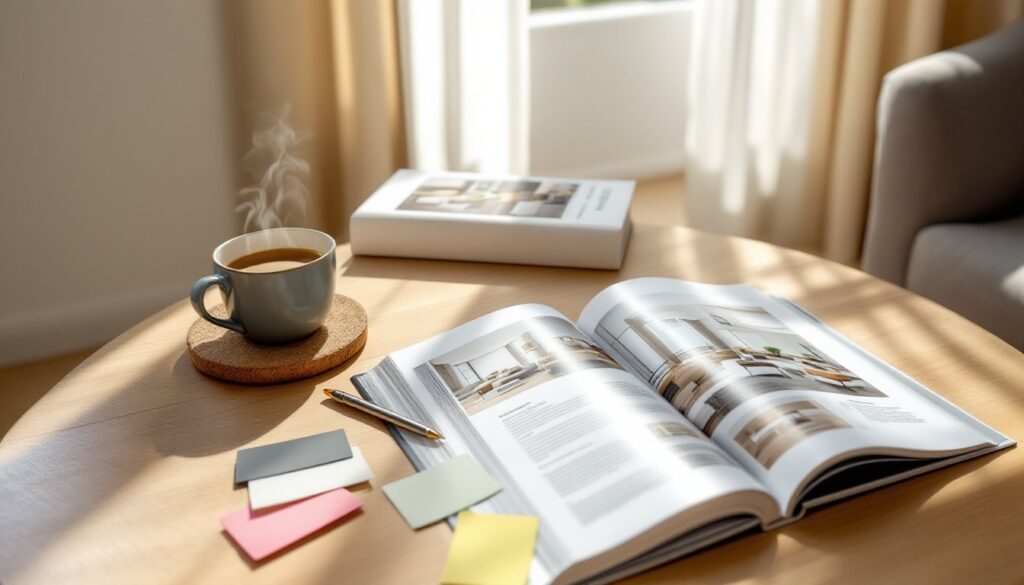
Another practical advantage: portability without Wi-Fi. You can bring a design book to the lumberyard, tile showroom, or fabric store. No phone battery anxiety, no squinting at tiny screens while comparing samples. Physical books let you lay out inspiration photos next to paint chips and flooring samples on your kitchen table.
Finally, the best interior design books teach readers to see spaces differently. They explain how ceiling height affects color perception, why furniture arrangement impacts room function, and how texture adds depth without clutter. These aren’t abstract concepts, they directly influence whether a room feels cramped or spacious, chaotic or calm.
Top Interior Design Books for Beginners and Enthusiasts
Choosing from hundreds of design titles means knowing what type of guidance you need. Some books focus on theory and principles, others offer visual inspiration, and many combine both approaches.
Classic Design Theory Books That Stand the Test of Time
“The Interior Design Handbook” by Frida Ramstedt breaks down spatial relationships and color theory without pretentious jargon. Ramstedt, a Swedish designer, explains why certain room arrangements feel right and others don’t. She covers practical issues like how to make low ceilings appear higher (vertical lines, light colors on ceilings, curtains mounted above window frames) and when to break symmetry rules.
“Styled: Secrets for Arranging Rooms, from Tabletops to Bookshelves” by Emily Henderson focuses on the finishing details DIYers often struggle with. Henderson, known for accessible design advice, shows how to style built-in shelving, choose throw pillow combinations that don’t look like a craft store exploded, and mix metals without creating visual chaos. Her approach emphasizes working with what you already own before buying new.
“Elements of Style: Designing a Home and a Life” by Erin Gates covers foundational design elements, scale, proportion, color, pattern, texture, with residential applications. Gates explains why a room might feel “off” even when individual pieces are attractive. Often it’s scale: oversized furniture in a small room, tiny art above a king bed, or light fixtures that don’t match ceiling height. Readers working on home decor projects find her room-by-room breakdowns particularly useful when planning renovations.
These theory-focused books help DIYers understand the “why” behind design decisions. That knowledge translates to better choices at every project stage, from initial planning through final styling.
Modern Coffee Table Books for Visual Inspiration
Visual reference books serve a different purpose: they show what’s possible and spark ideas for your own spaces.
“Living in Style” series (various regional editions) documents real homes with detailed photography. Unlike staged magazine shoots, these books often include floor plans, before photos, and notes about challenges homeowners faced. Seeing how others solved awkward layouts, incorporated structural elements like exposed beams or radiators, or maximized small spaces provides practical inspiration.
“The Kinfolk Home: Interiors for Slow Living” showcases minimalist, functional spaces across different climates and cultures. While some dismiss it as aspirational, the photography clearly shows furniture placement, natural light usage, and how limited color palettes create cohesion. DIYers planning minimalist interiors find the uncluttered rooms useful for understanding negative space.
“Domino: The Book of Decorating” by Domino editors takes a more eclectic approach, mixing high and low price points. It includes budget-friendly alternatives to expensive looks, which matters when you’re funding projects yourself. The book covers common DIY scenarios: rental-friendly updates, small-space solutions, and how to incorporate personal collections without creating visual clutter.
Coffee table books work best alongside theory books. Use them for visual goals, but refer to principle-based books when executing. A beautiful photo won’t explain why that room feels balanced, but understanding the three-point triangle rule for furniture grouping will.
How to Choose the Right Interior Design Book for Your Project
Not all design books suit all projects. Match your purchase to your current needs and skill level.
For complete beginners: Start with comprehensive guides that cover multiple rooms and explain basic principles. Books like “Interior Design Master Class” by Carl Dellatore or “Decorate: 1,000 Design Ideas” provide broad overviews. They’re references you’ll return to across multiple projects rather than deep dives into single topics.
For specific room challenges: If you’re tackling a problem space, an awkward living room layout, a dark basement, a tiny bathroom, look for room-specific books. “The Kitchen Bible” by Barbara Ballinger or “New Bathroom Idea Book” address the unique requirements of wet spaces, ventilation needs, and fixture placement that general design books gloss over.
For style clarification: Many DIYers know they don’t like their current space but can’t articulate what they want instead. Style-specific books help narrow options. “Farmhouse Modern” explains contemporary takes on rustic design, while books on Danish interior design detail Scandinavian principles of functionality and simplicity. Browsing these helps identify what resonates before committing to major purchases.
For color confidence: Color paralysis stops many projects cold. Books dedicated to color theory for interiors, like “The Complete Color Harmony” by Leatrice Eiseman, explain complementary vs. analogous schemes, warm vs. cool undertones, and how to test colors in your actual lighting conditions. Projects involving interior home design decisions benefit from dedicated color resources that go beyond basic swatches.
Consider publication date: Design principles are timeless, but material options and product availability change. Books published in the last 3-5 years reflect current fixture styles, readily available materials, and updated building practices. But, classic theory books from the ’80s or ’90s still teach fundamental concepts that don’t expire.
Check author credentials. Professional designers bring technical knowledge: stylists excel at aesthetics: homeowners who documented renovations offer relatable perspectives. Resources recommended by interior design experts often balance theory with practical application.
Applying Interior Design Principles from Books to Real Spaces
Reading design theory means nothing if you can’t translate it to your actual rooms. Here’s how to bridge that gap.
Start with measurements, not inspiration photos. Before diving into any design book, measure your space accurately. Note ceiling height, window dimensions and placement, door swing directions, and fixed elements like radiators or built-ins. Many design principles depend on proportions, a furniture arrangement that works in a 14′ × 18′ room won’t translate to 10′ × 12′.
Identify your constraints first. Real homes have load-bearing walls that can’t move, windows that can’t relocate, and electrical boxes in inconvenient spots. Circle these on a rough floor plan before reading layout suggestions. When a book shows an ideal furniture arrangement, you’ll immediately know which aspects you can adopt and which require modification.
Test principles with temporary solutions. Most design books recommend arranging furniture away from walls to create intimate conversation areas. Before committing, use painter’s tape to mark proposed placements on your floor. Live with it for a few days. Does the traffic flow work? Do you actually use the space as intended? This costs nothing and prevents expensive mistakes.
Apply the 80/20 rule. You can’t execute every suggestion in a design book, and you shouldn’t try. Identify the 20% of principles that will deliver 80% of the visual impact in your space. Usually that means: correct furniture scale, cohesive color palette, adequate lighting, and intentional focal points. Master those before worrying about decorative accessories.
Adapt style principles to your climate and architecture. A book showcasing homes in Southern California will emphasize indoor-outdoor flow and light-filtering window treatments. If you’re renovating in Minnesota, your priorities shift to insulation, draft prevention, and maximizing limited natural light in winter. Take the color and style cues, but adjust material choices and layout strategies to your reality.
Reference books during execution, not just planning. Keep your design books on-site during projects. When you’re mid-renovation and second-guessing paint color or tile layout, flipping through marked pages reconnects you to your original vision. Books covering home decor and interior design fundamentals remind you why you chose specific directions when contractor questions arise.
Document what works and what doesn’t. Write notes in margins, flag pages, add sticky notes with project-specific observations. If a book suggests a gallery wall arrangement that felt too formal in your space, note what you modified. These annotations make the book more valuable for future projects.
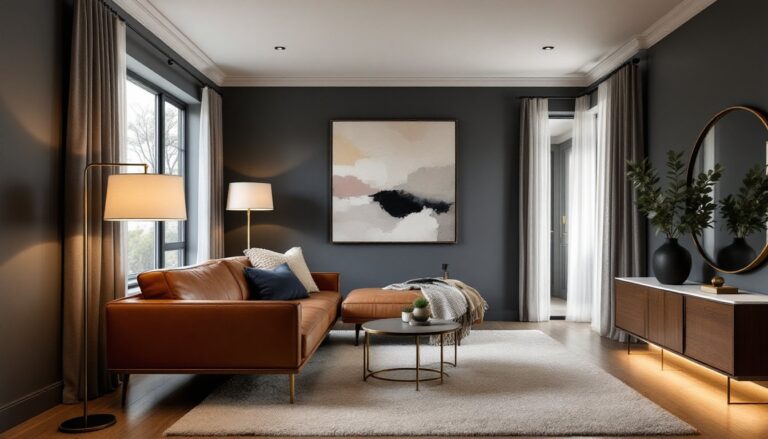
Combine book knowledge with real-world testing. Design books explain that dark colors make rooms feel smaller, but they don’t account for your specific situation. Maybe your north-facing room with one small window actually benefits from deep charcoal walls that make it feel like an intentional cozy den rather than a sad pale box. Paint sample boards (actual 2′ × 2′ boards, not tiny swatches) let you test book principles against your reality. Sites like MyDomaine offer supplementary guidance on applying classic principles to contemporary spaces.
Acknowledge when you need professional help. Design books won’t solve structural issues, code compliance questions, or permit requirements. They complement DIY skills but don’t replace them. If your project involves moving walls, electrical rewiring, or plumbing relocation, hire licensed professionals even if your design book makes it look simple. Resources at Freshome can help determine which projects are DIY-friendly and which require professional intervention.
Conclusion
Interior design books aren’t magic wands that instantly transform spaces, but they’re powerful tools for homeowners willing to learn and experiment. The best ones teach you to see your home differently, make confident material choices, and avoid expensive mistakes. Whether you’re drawn to classic design theory or visual inspiration, building a small library of well-chosen books pays dividends across multiple projects. Start with one foundational text that matches your current project, mark it up as you work, and add specialized titles as your skills and ambitions grow.