Table of Contents
ToggleHotels don’t just look good, they work. Every fixture placement, fabric choice, and lighting angle is chosen to deliver comfort, durability, and that sense of arrival guests crave. Homeowners can borrow those same principles without hiring a designer or ripping out walls. This guide walks through the tangible design strategies hotels rely on and shows how to adapt them to bedrooms, bathrooms, and living areas using DIY-friendly materials and weekend-level effort.
Key Takeaways
- Interior design for hotels prioritizes durability, neutral palettes, and functionality—principles homeowners can easily adapt to any room without hiring a professional designer.
- Layered lighting combining recessed fixtures, lamps, and dimmers creates flexibility in bedrooms and living spaces while warm LED bulbs in 2700K–3000K enhance comfort.
- Hotels use performance fabrics, low-pile rugs, and concealed storage to minimize clutter and maintain a polished look that works in high-traffic home areas.
- A hotel-inspired bedroom starts with a quality mattress, layered bedding, an upholstered headboard, and blackout shades—all achievable through DIY methods and budget-friendly materials.
- Spa-like bathrooms benefit from high-flow showerheads, floating vanities, large-format tiles, and minimal countertop clutter to replicate the calm of hotel designs.
- Budget-conscious updates like fresh paint, hardware swaps, and peel-and-stick materials can transform a home’s look without major renovations or significant expense.
Why Hotel-Inspired Interior Design Works for Modern Homes
Hotel spaces are engineered for turnover. They need to withstand heavy use, appeal to diverse tastes, and reset quickly between guests. That translates into smart material choices, neutral palettes with accent flexibility, and layouts optimized for function over trend.
The same durability that protects a hotel carpet from daily foot traffic works just as well in a high-traffic hallway. Layered lighting that adapts from task work to ambient glow serves a family room as effectively as a suite. Hotels also strip out visual clutter, no tchotchkes on every surface, no gallery wall sprawl. That restraint creates breathing room, which most homes lack.
Another advantage: hotels prioritize experience over personal taste. That approach helps homeowners step back from subjective décor debates and focus on how a space feels to use. When designers discuss upscale home décor ideas, the emphasis often lands on layered textures and intentional negative space, principles borrowed directly from hospitality design.
Key Principles of Hotel Interior Design You Can Replicate at Home
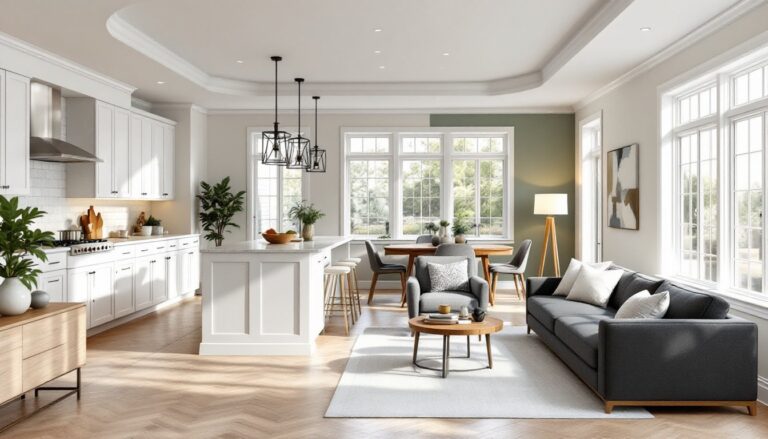
Neutral base, flexible accents. Hotel rooms rely on beige, gray, or soft white walls and flooring, then rotate pillows, throws, and artwork seasonally. Homeowners can do the same: choose paint in the Sherwin-Williams Agreeable Gray or Benjamin Moore White Dove range, then swap accent colors through textiles and accessories.
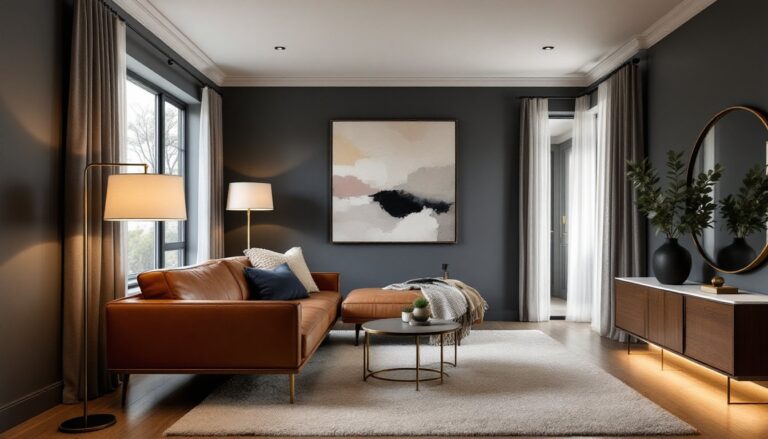
Layered lighting. Hotels avoid overhead-only schemes. They combine recessed cans, bedside lamps, and wall sconces on dimmers. In a bedroom, install a three-way switch for overhead fixtures and add plug-in sconces if hardwiring isn’t an option. Use LED bulbs in 2700K–3000K (warm white) for a softer glow.
Durable, washable materials. Upholstery in performance fabrics (polyester blends, microfiber, or treated cotton) resists stains without sacrificing comfort. Rugs should be low-pile or flatweave for easy vacuuming. Avoid shag or high-twist styles in high-traffic zones.
Concealed storage. Hotels hide clutter behind closed doors. Floating vanities, under-bed drawers, and built-in cabinetry keep surfaces clear. DIY options include adding IKEA PAX wardrobes with custom fronts or installing simple poplar shaker-style cabinet doors on open shelving.
Consistent hardware and finishes. Mixing brass, chrome, and nickel across one room looks chaotic. Pick one finish family and stick with it for faucets, drawer pulls, and light fixtures. Brushed nickel and matte black are workhorses that pair with most palettes.
Creating a Luxurious Bedroom with Hotel Design Elements
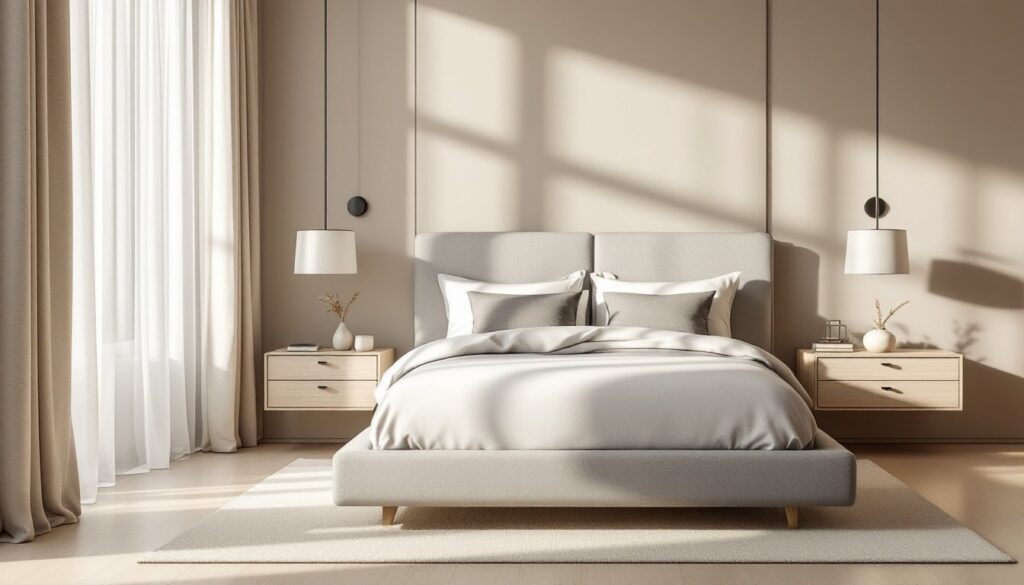
Start with the bed. Hotels use mattresses 10–14 inches thick with high coil counts or memory foam layers, topped with a mattress pad and 300+ thread-count cotton or linen sheets. Skip polyester blends, they trap heat and pill quickly. Add a duvet with a removable cover in white or light gray: it’s easier to launder than a comforter.
Headboards provide visual weight. A DIY upholstered headboard takes a sheet of ¾-inch plywood, 2-inch foam padding, and a staple gun. Cut the plywood to size (standard queen is 60 inches wide, 48–54 inches tall), wrap with batting and fabric (canvas or linen wears well), then mount to the wall with French cleats or Z-clips rated for the panel weight.
Bedside tables should sit 24–28 inches tall, level with the mattress top, so reaching for a glass of water doesn’t require a stretch. Install wall-mounted reading lights if table lamps crowd the surface. Many professionals highlight interior architecture principles when planning bedroom layouts to ensure proper circulation and sight lines.
Blackout roller shades or lined curtains control light without heavy drapes. Mount the rod 4–6 inches above the window frame and extend it 8–12 inches beyond each side for a fuller look. Use 1½-inch diameter rods for panels over 84 inches long to prevent sagging.
Keep nightstands and dressers minimal. Hotels display only a lamp, clock, and perhaps a single decorative object. Corral charging cables with adhesive cord clips on the underside of the table.
Designing a Spa-Like Bathroom Inspired by Hotel Aesthetics
Hotels invest in high-flow showerheads (2.0–2.5 GPM) and handheld wands on slide bars. Upgrading a showerhead is a 15-minute, no-permit job: unscrew the old unit, wrap threads with Teflon tape (three clockwise wraps), and hand-tighten the new head. If water pressure is weak, remove the flow restrictor, a plastic disk inside the showerhead neck.
Frameless glass enclosures or simple rod-and-curtain setups beat dated framed doors. For a DIY option, mount a ceiling-track curtain rod for a seamless look. Use a heavyweight cotton or linen curtain with a waterproof liner.
Floating vanities create the illusion of space and simplify floor cleaning. Mount a wall-hung cabinet to studs using ¼-inch lag bolts with washers, ensuring the top sits 32–36 inches from the finished floor. Pair it with an undermount sink in white porcelain or a vessel sink in ceramic or stone.
Large-format tiles (12×24 inches or bigger) on walls and floors reduce grout lines and feel more expansive. Install with ⅛-inch spacers and seal grout with a penetrating sealer after 72 hours of cure time. For tub surrounds, consider **luxury design trends](https://architecturaldigest.com) that favor matte-finish porcelain over glossy ceramics.
Hotels keep counters bare except for essentials. Use drawer organizers or a wall-mounted magnetic strip for grooming tools. Install a recessed medicine cabinet if wall depth allows (most standard stud bays are 3½ inches, enough for a shallow unit).
Incorporating Hotel Lobby Style into Your Living Spaces
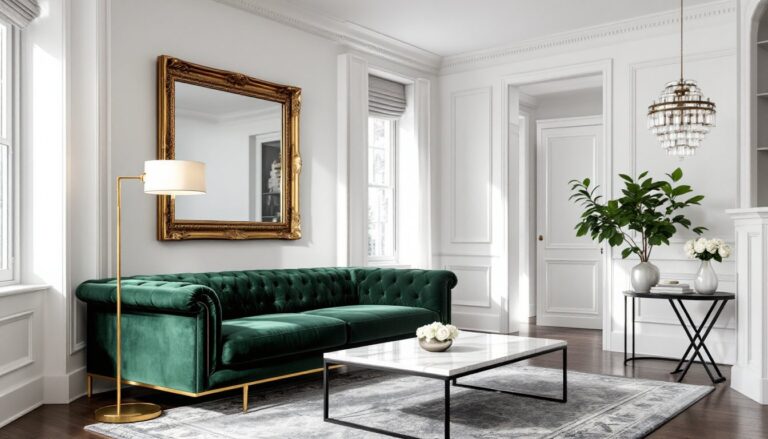
Hotel lobbies balance scale with intimacy. They use large anchor pieces, a sectional, oversized area rug, or statement light fixture, then cluster seating into conversation zones rather than lining walls.
Start with a rug sized to fit all front furniture legs. For a standard living room, that’s typically 8×10 feet or 9×12 feet. Layering a flatweave jute rug under a smaller wool or synthetic rug adds texture without bulk.
Seating arrangements should allow 18 inches of clearance between a sofa and coffee table, 30–36 inches of walkway behind seating, and 8–10 feet of distance for conversation across facing sofas or chairs. Use sectionals to define space in open-plan layouts, anchoring them with a console table behind the back for extra surface area.
Lighting in lobbies is theatrical. Swap builder-grade ceiling fixtures for a semi-flush mount or chandelier sized at roughly room width + length in feet = fixture diameter in inches. A 12×14-foot room calls for a 26-inch fixture. Add floor lamps with three-way bulbs for task zones.
Artwork should scale up. A single large canvas (40×60 inches or bigger) anchors a wall more effectively than a collage of small frames. Hang the center of the piece at 57–60 inches from the floor, eye level for most adults. Those planning broader updates may explore design and decor strategies that unify multiple rooms through cohesive color and material palettes.
Keep side tables uncluttered. A lamp, coaster, and single decorative object (bowl, small sculpture, or plant) are plenty. Use a storage ottoman or lidded baskets to hide remotes and magazines.
Practical DIY Tips for Achieving the Hotel Look on a Budget
Paint over purchase. A gallon of quality interior paint ($35–$50) covers roughly 350–400 square feet and transforms a room faster than new furniture. Use satin or eggshell finishes for walls: they’re easier to wipe down than flat paint without the glare of semi-gloss.
DIY headboards and wall treatments. Instead of a $600 upholstered headboard, build one from ¾-inch MDF or plywood ($40–$60 per sheet), foam ($20–$30), and fabric ($15–$25 per yard). Similarly, board-and-batten wainscoting made from primed MDF boards adds texture for $1.50–$2 per linear foot.
Upgrade hardware incrementally. Swapping drawer pulls, cabinet knobs, and light switch plates to a single finish costs $3–$8 per piece. Start with the most visible areas (kitchen, primary bath) and expand over time.
Shop remnant sections for textiles. Fabric stores sell end-of-bolt pieces at 50–70% off. A 2-yard remnant is enough for throw pillow covers or a table runner. Check home improvement stores for discontinued tile and flooring samples, sometimes sold in bulk for accent walls or small bath floors.
Use peel-and-stick materials strategically. Peel-and-stick backsplash tiles ($8–$15 per square foot) work well for renters or short-term updates, though they’re not rated for wet areas like shower surrounds. Apply over clean, smooth drywall or existing tile for best adhesion. For ambitious projects, interior design rendering software can help visualize changes before committing to materials.
Repurpose hotel-grade suppliers. Companies like WebstaurantStore and Hotel Surplus Outlet sell linens, towels, and bath mats in bulk at wholesale prices. A dozen white washcloths runs $20–$30, and they’re designed to survive commercial laundering.
Conclusion
Hotel design isn’t about copying a specific aesthetic, it’s about adopting a mindset that values durability, flexibility, and intentional restraint. Homeowners who focus on layered lighting, neutral bases, and practical materials create spaces that feel cohesive without constant redecoration. Start with one room, test the principles, and expand as budget and time allow.