Table of Contents
ToggleChoosing the right interior design style isn’t just about picking pretty colors, it’s about creating a space that works with your daily life and reflects who you are. Whether you’re planning a whole-house renovation or just refreshing a single room, understanding the names and characteristics of different design styles saves you from costly false starts and helps you communicate clearly with contractors or designers. This guide breaks down the most popular interior design styles into categories you can actually use, with practical details to help you identify what you’re drawn to and how to pull it off in real rooms with real budgets.
Key Takeaways
- Understanding different interior design styles—from modern and traditional to rustic and bohemian—prevents costly mistakes and helps you communicate clearly with contractors and designers.
- Modern design prioritizes clean lines and minimal ornamentation, while contemporary design is trend-driven and borrows from multiple eras; both work well in smaller homes and open-concept layouts.
- Traditional design requires more vertical space (8–10 foot ceilings) and layered fabrics, whereas minimalist interior design styles demand built-in cabinetry and hidden storage planned during the rough-in phase.
- Match your chosen style to your home’s existing architecture and lifestyle needs—fighting your home’s structure with an incompatible design style is expensive and creates a disjointed look.
- Industrial style can save $3–$7 per square foot on flooring by sealing existing concrete slabs instead of installing hardwood or tile, making it budget-friendly when properly planned during renovation.
- Start with foundational elements like flooring, wall color, and large furniture in neutral tones, then layer in personality through accessories and textiles that you can update as your taste evolves.
What Are Interior Design Styles and Why Do They Matter?
Interior design styles are established visual languages, combinations of color palettes, furniture shapes, materials, and architectural details that create a recognizable look. Think of them as blueprints for making cohesive decorating decisions.
Knowing your style prevents the expensive mistake of buying furniture or finishes that clash. A leather Chesterfield sofa won’t look right in a coastal cottage scheme, just like a reclaimed barn door feels out of place in a sleek modern loft. When you can name your preferred style, you can search for compatible materials, hire the right trades, and avoid impulse purchases that don’t fit.
Design styles also affect function. Mid-century modern prioritizes clean lines and open flow, which works well in smaller homes. Traditional styles often include heavier moldings and built-ins that add storage but require more square footage to avoid feeling cramped. Before you demo a wall or order custom cabinetry, settle on a direction, it’ll guide everything from paint sheen to hardware finishes.
Modern and Contemporary Interior Design Styles
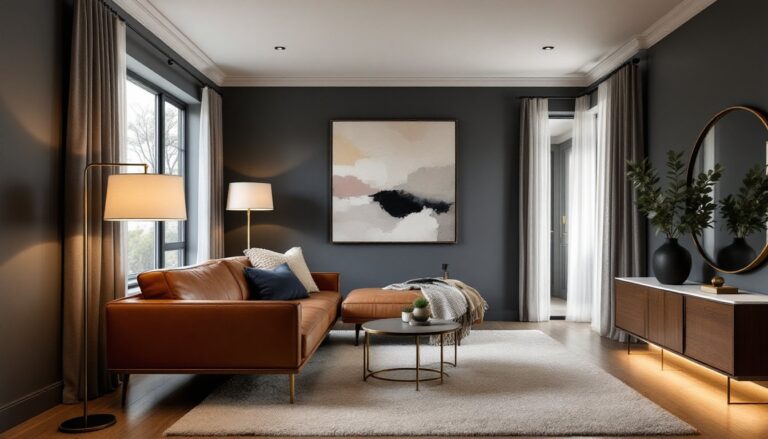
Modern and contemporary aren’t the same thing, though people use them interchangeably. Modern design refers to a specific period, roughly mid-20th century, characterized by clean lines, minimal ornamentation, and materials like steel, glass, and molded plywood. Think Eames chairs, open floor plans, and large windows that blur the line between indoors and out.
Contemporary design, on the other hand, is what’s current right now. It borrows from multiple eras and evolves with trends. Contemporary spaces often feature neutral palettes (grays, whites, beiges), mixed materials (concrete, wood, metal), and statement lighting. You’ll see fewer fussy details than in traditional styles, no crown molding or heavy drapes, but more texture through upholstery, rugs, and accent walls.
Both styles work well in open-concept layouts and smaller urban homes because they emphasize function and don’t require elaborate millwork. If you’re drawn to this look, invest in quality foundational pieces, a solid wood dining table, a modular sofa, and keep accessories minimal. Paint in flat or matte sheens to avoid the glossy, formal feel of traditional interiors.
Minimalist design takes modern principles further: absolute reduction of objects, monochromatic color schemes, and hidden storage. It’s not just aesthetic, it’s a mindset. If you’re considering minimalist interior design, plan for built-in cabinetry and concealed cable management during your rough-in phase. Retrofit solutions rarely look as clean.
Traditional and Classic Interior Design Styles
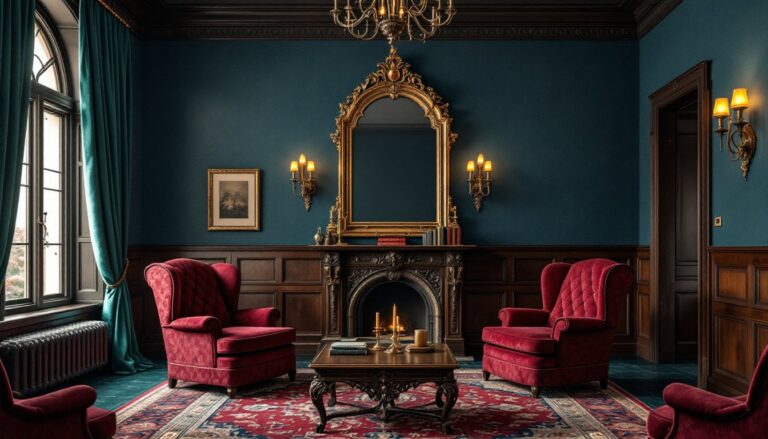
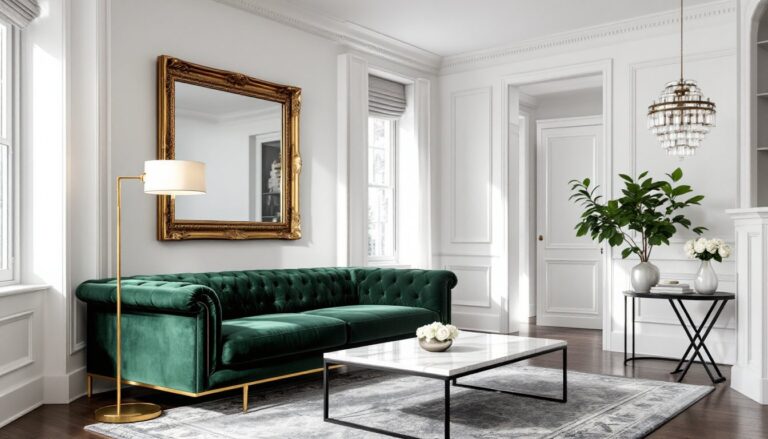
Traditional design draws from 18th- and 19th-century European decor, think English manor houses and French country estates. Hallmarks include crown molding (typically 3½” to 5½” in residential applications), chair rails at 32″ to 36″ off the floor, wainscoting, and furniture with turned legs, tufted upholstery, and carved wood details.
Color palettes lean warm: burgundy, forest green, navy, cream, and gold. Fabrics are layered, damask, velvet, silk, and windows get full treatments with valances, swags, or plantation shutters in painted wood or poly composites. This style requires more vertical space to avoid feeling cluttered: 8-foot ceilings are the minimum, and 9 or 10 feet is better.
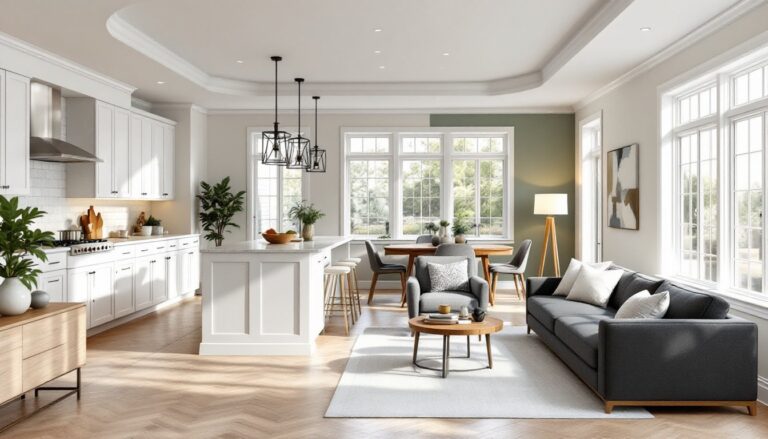
Transitional style bridges traditional and contemporary by mixing classic architecture with cleaner-lined furniture. You might pair Shaker-style cabinetry with modern bar pulls, or install traditional crown molding but paint everything in a single neutral tone. It’s a practical middle ground if you’re renovating an older home but don’t want the full period look. Resources like Freshome showcase how transitional spaces balance warmth and simplicity.
If you’re adding trim or molding, remember that nominal dimensions differ from actual: a 1×4 board is really ¾” x 3½”. Plan your reveals and returns accordingly, and use a miter saw for tight corner joints, hand-cut miters with a coping saw rarely line up cleanly unless you’ve got serious practice.
Rustic and Natural Interior Design Styles
Rustic styles celebrate raw materials and handcrafted details. Farmhouse design features shiplap or tongue-and-groove paneling (often ¾” thick pine or poplar), apron-front sinks, open shelving, and finishes in white, cream, or soft gray with natural wood accents. It’s big on DIY appeal, beadboard backsplashes, barn doors on sliding hardware (make sure your wall framing can support a 70–100 lb door), and vintage or reproduction fixtures.
Industrial style pulls from old factories and warehouses: exposed brick, steel I-beams, concrete floors (sealed with a penetrating sealer or epoxy for durability), and Edison bulb fixtures. This look works well in lofts or basements with existing concrete slabs, you can grind, stain, and seal the slab instead of installing new flooring, saving $3–$7 per square foot over hardwood or tile. Ductwork and piping are left visible, so plan your HVAC and plumbing runs with aesthetics in mind during rough-in.
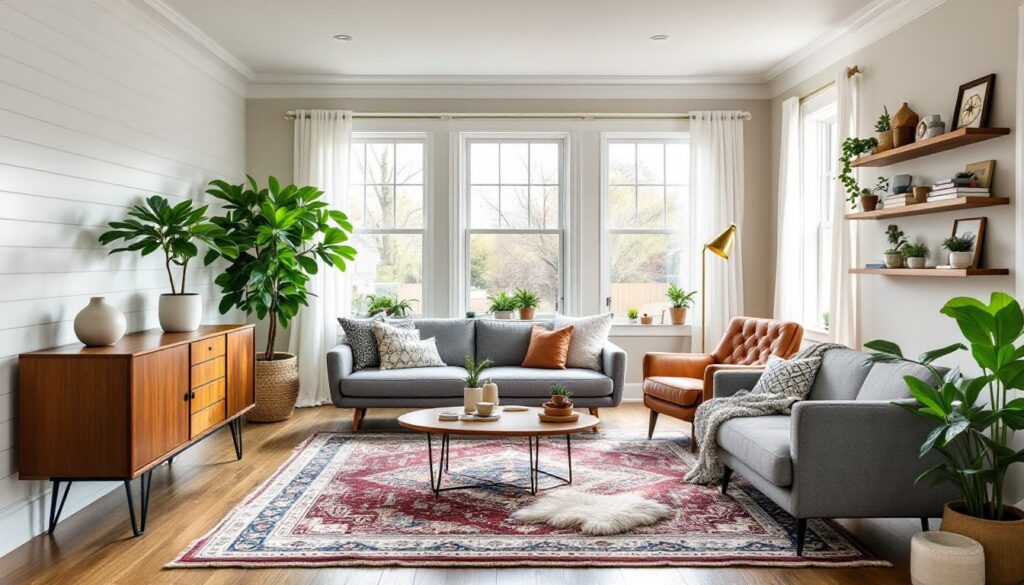
Scandinavian (or Nordic) design blends rustic warmth with modern simplicity. Light wood (often birch, pine, or ash), white walls, and minimal clutter define the style. Hygge, the Danish concept of coziness, drives the material choices: wool throws, sheepskin rugs, and candles. For practical design ideas that create warmth, layer textures and keep a tight color palette. Danish design principles emphasize function and craftsmanship, so invest in well-made furniture that’ll last decades, not disposable particleboard pieces.
Eclectic and Bohemian Interior Design Styles
Eclectic style is controlled chaos, mixing periods, textures, and colors in a way that feels intentional, not random. The key is a unifying thread: maybe a consistent color palette, a repeated material (brass hardware throughout), or a single bold pattern. You can pair a mid-century credenza with a vintage Persian rug and contemporary art, as long as the scale and tones balance.
This approach works well for DIYers who collect or inherit furniture over time. Instead of buying matching sets, you build layers. It does require a good eye, too many competing elements and the room feels cluttered. Stick to a rule of threes: three main colors, three textures, three focal points per room.
Bohemian (Boho) design leans into pattern, color, and global influences. Think Moroccan poufs, Indian block-print textiles, macramé wall hangings, and lots of plants. Unlike minimalist or traditional styles with strict rules, boho embraces imperfection and personal expression. Low seating (floor cushions, daybeds), layered rugs, and vintage finds are staples.
If you’re drawn to this look, start with a neutral base, white or off-white walls, and build color through removable elements like textiles and art. That way you can swap things out without repainting. Floating shelves (use toggle bolts or find studs: drywall anchors alone won’t hold more than a few pounds) let you display collections without committing to built-ins. Modern platforms like Decoist regularly feature eclectic interiors that balance bold choices with livability.
For a more unconventional twist, steampunk-inspired interiors layer Victorian details with industrial materials, exposed gears, antique brass, leather, creating a theatrical but functional space.
How to Choose the Right Interior Design Style for Your Home
Start by assessing what you already own and what you’re drawn to. Scroll through design sites like Dwell and save images, not just of finished rooms, but of specific details (a tile pattern, a paint color, a furniture silhouette). After 20–30 saves, patterns emerge. You’ll notice recurring colors, materials, or layouts.
Next, consider your home’s existing architecture. A 1920s bungalow has different bones than a 1980s ranch. Fighting your home’s structure is expensive. If you’ve got original hardwood floors and plaster walls, lean into styles that honor that, traditional, transitional, or even industrial if you expose brick. If you’re in a builder-grade tract home with low ceilings and vinyl windows, modern or minimalist styles work better than ornate traditional looks. Understanding home architecture fundamentals helps you make choices that feel cohesive instead of forced.
Be realistic about maintenance. White slipcovered sofas and light rugs look amazing in photos but require constant upkeep if you have kids or pets. Rustic styles with distressed finishes hide wear better. Glossy lacquered furniture shows every fingerprint.
Budget for the style. Some looks cost more to execute. Traditional design requires custom millwork, which runs $8–$20 per linear foot for basic trim and much more for complex moldings or built-ins. Modern and minimalist styles save on trim but demand higher-quality core pieces because there’s nowhere to hide cheap construction. Industrial and rustic can be budget-friendly if you DIY or source reclaimed materials, but decorating decisions still add up when you factor in specialty finishes or vintage finds.
Finally, don’t feel locked in. Styles evolve, and rooms can too. Start with foundational neutrals, flooring, wall color, large furniture, in a flexible palette, then layer in style through accessories, art, and textiles you can swap as your taste shifts.
Conclusion
Understanding design styles gives you a practical framework for making smart renovation and decorating choices. You don’t need to follow one style rigidly, most successful homes blend elements, but knowing the vocabulary helps you avoid expensive mismatches and communicate clearly with contractors or designers. Whether you’re drawn to the clean lines of modern design or the layered warmth of rustic farmhouse, match your choice to your home’s bones, your lifestyle, and your willingness to maintain it. Start with the big decisions, flooring, paint, built-ins, then refine with furniture and accessories as your vision solidifies.